
(0) Items
Special Products
Special Products


Spare parts for Holzmann mortising machine
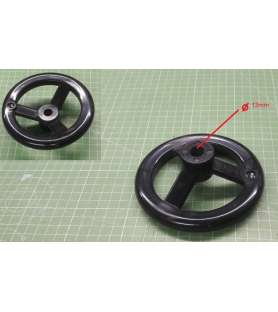
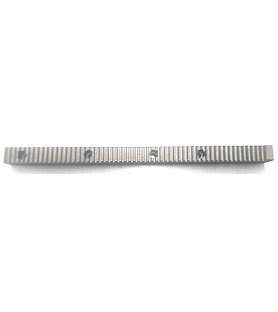
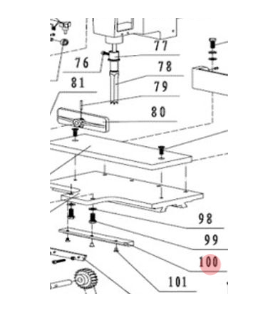
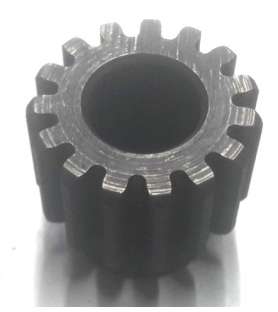
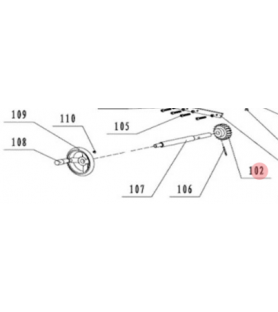
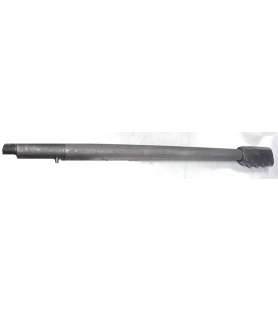
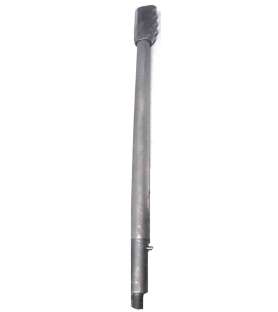
Handle with grip n° A-51+53 for Chisel mortiser
25,99 €
Tax included
Handle with grip n° A-51+53 for Chisel mortiser
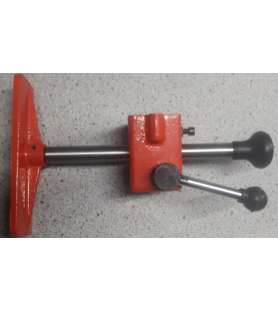
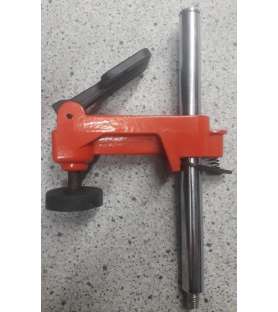
Vice complete for Chisel mortiser
89,99 €
Tax included
Horizontal presser marks 79-83 and 87-94 for square chisel mortiser
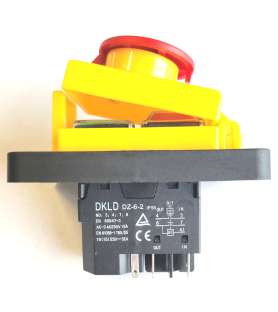
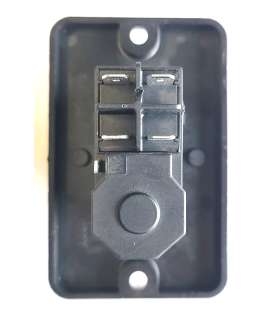
Switch 230V - DKLD 15A-250V
39,99 €
Tax included
Single-phase switch with emergency stop point DKLD 15A-250V or CK21
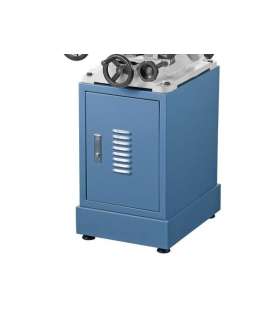
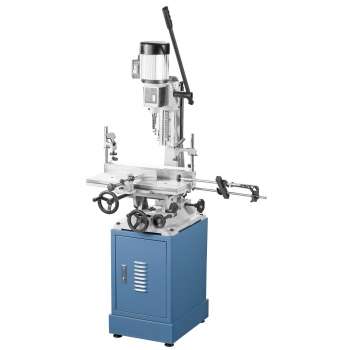
Bernardo Base for square chisel mortiser (standard for different models)
190,00 €
Tax included
Stand for Hollow Chisel Mortiser Bernardo HM25 Top or Bernardo HM25
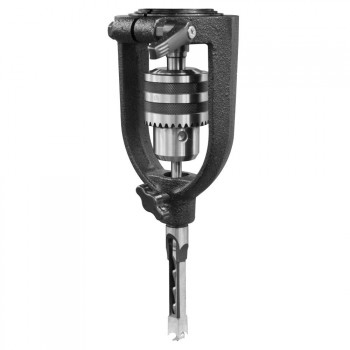
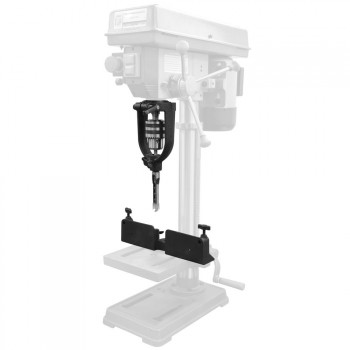
Conversion kit from drill press to square chisel mortiser
119,99 €
Tax included
This mortising device allow to work with your drill column as an hollow chisel mortiser
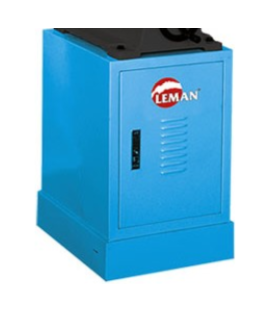
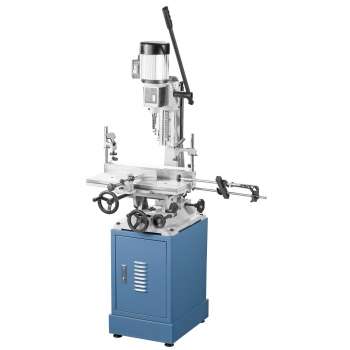
Leman Base for square chisel mortiser (standard for different models)
160,00 €
Tax included
Stand for Hollow Chisel Mortiser Bernardo HM25 Top or Bernardo HM25
Holzmann mortising machines are designed to produce accurate mortises in wood for a wide range of traditional woodworking joints. Depending on the model, Holzmann offers both hollow chisel mortisers and slot mortising machines, whose design, operation and spare parts differ.
The range includes models such as the Holzmann STM26 and STM26S, which use square hollow chisels, as well as machines from the LBM series, including the LBM250C, LBM290 and LBM290K, designed for slot mortising with rotating bits.
This category contains spare parts for Holzmann mortising machines, including chucks, shafts, bushes, bearings, levers, handles, springs, clamping devices, hold-downs, handwheels, table components, travel mechanisms, switches, motors and other parts required to maintain and repair your mortiser.
Spare parts for Holzmann STM26 and STM26S hollow chisel mortisers
The Holzmann STM26 and STM26S are hollow chisel mortisers designed to cut square or rectangular mortises directly into timber.
The system uses a hollow square chisel with a rotating auger bit inside. The bit removes most of the material while the hollow chisel forms the straight sides and square corners of the mortise.
These machines contain various components that may require replacement over time, including the chuck, operating lever mechanism, guides, springs, handles, hold-downs, table, adjustment mechanisms and electrical components.
Spare parts for Holzmann LBM slot mortising machines
Holzmann also offers slot mortising machines in the LBM range, including models such as the LBM250C, LBM290 and LBM290K.
Unlike a hollow chisel mortiser, these machines produce mortises using a rotating bit combined with controlled movement of the workpiece or machining unit.
They use components such as chucks or bit holders, shafts, bearings, tables, guides, hold-downs, levers, handwheels, stops and longitudinal and transverse travel mechanisms.
It is therefore important to distinguish between an STM hollow chisel mortiser and an LBM slot mortising machine when selecting spare parts.
Chucks for Holzmann mortising machines
The chuck holds and drives the mortising bit.
A worn or damaged chuck can result in poor tool clamping, excessive runout or vibration during operation.
Before replacing the chuck, it is advisable to inspect its mounting, shaft and associated components.
Chuck capacity and mounting systems may differ depending on the Holzmann mortiser model.
Shafts and spindles for Holzmann mortisers
The shaft or spindle transmits the rotational movement of the motor to the cutting tool.
This component must rotate freely with minimal play to maintain accurate mortising.
Unusual noise, vibration, overheating or excessive play may indicate a problem with the spindle, shaft or bearings.
The exact cause should be identified before replacing any of these components.
Bearings for Holzmann mortising machines
Bearings allow the various shafts and spindles of the machine to rotate smoothly and accurately.
Over time, a worn bearing can cause:
-
unusual noise;
-
vibration;
-
excessive play;
-
overheating;
-
irregular spindle rotation.
When replacing a bearing, it is also advisable to inspect the corresponding shaft and bearing housing for damage.
Levers and handles for Holzmann mortisers
Operating levers and handles are used to move the head, table or other mechanisms of the mortising machine.
These components are frequently operated and can eventually develop play, become bent or suffer damage.
On hollow chisel mortisers, the operating lever is particularly important because it provides the force required to push the chisel into the timber.
Depending on the fault, it may be possible to replace only the handle, lever, pivot shaft or another individual part of the mechanism.
Handwheels and table travel mechanisms
Certain Holzmann mortising machines use adjustment handwheels to accurately position the table or workpiece.
The mechanism may include lead screws, shafts, bushes, nuts, gears, handles and various guide components.
If a handwheel becomes unusually difficult to turn, it should not be forced.
First check for accumulated wood chips or resin, insufficient lubrication, misalignment or a damaged mechanical component.
Tables and guides for Holzmann mortising machines
The worktable supports the workpiece during mortising.
Depending on the model, it may offer several adjustment and travel options to accurately position the mortise.
Guides and sliding surfaces must remain clean and correctly adjusted to provide smooth movement without excessive play.
A table travel problem can be caused by contaminated guides, a lead screw, bush, bearing or another mechanical component.
Hold-downs and clamping systems
Correctly securing the workpiece is essential when mortising.
Holzmann mortisers may be equipped with hold-downs, clamps and adjustment mechanisms designed to keep the timber firmly in position during machining.
A damaged hold-down, broken handle or worn clamping mechanism can prevent the workpiece from being held securely.
These components should be inspected regularly to maintain accurate and safe operation.
Depth stops for Holzmann mortisers
Depth stops allow the required mortise depth to be set accurately and make it easier to repeat the same operation on several workpieces.
A depth stop mechanism that loosens or no longer maintains its setting can result in inconsistent mortise depths.
The screws, nuts, clamping handles, rods and other components of the mechanism should then be inspected.
Hollow chisels and mortising bits for Holzmann machines
The performance of a mortising machine depends directly on the condition of its cutting tool.
On a hollow chisel mortiser, the cutting assembly consists of a hollow square chisel and an internal auger bit.
On a slot mortising machine, the shape and dimensions of the mortising bit must be suitable for the machine and the work being carried out.
A blunt cutting tool increases the required cutting force, can cause excessive heat and reduces the quality of the mortise.
Using correctly sharpened and suitable tooling therefore has a direct effect on machining quality.
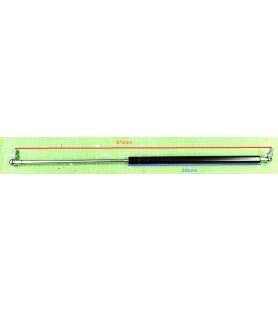
Return springs and head return mechanisms
Some models use springs or assisted return mechanisms to control movement of the mortising head.
If the head no longer returns correctly, drops unexpectedly or becomes difficult to operate, the return mechanism may need to be inspected.
The pivots, shafts and guide components should also be checked before replacing individual parts.
Switches for Holzmann mortising machines
The switch controls the starting and stopping of the machine.
However, if a mortising machine no longer starts, the switch is not necessarily the cause.
The electrical supply, connections, safety devices, wiring and other electrical components should also be checked.
A systematic diagnosis helps avoid replacing a component that is still functioning correctly.
Motors for Holzmann mortising machines
The motor drives the spindle and provides the power required for mortising.
A motor that no longer starts, overheats or appears to lack power should be properly diagnosed before replacement.
Check in particular:
-
electrical power supply;
-
switch;
-
safety devices;
-
electrical connections;
-
free rotation of the spindle;
-
bearings;
-
condition of the cutting tool;
-
possible mechanical obstruction.
A severely blunt chisel or mortising bit can also considerably increase the load placed on the motor.
Why is my Holzmann mortiser difficult to operate?
A mortising machine requiring excessive force can have several possible causes.
On a hollow chisel mortiser, a blunt chisel or auger bit, incorrect clearance between the bit and chisel, or an excessive cutting depth can significantly increase the force required.
A mechanical problem with the guides, spindle or bearings can also be responsible.
The cause should therefore be identified rather than continuing to operate the machine with excessive force.
Why is my Holzmann mortiser producing inaccurate mortises?
Poor mortising accuracy can originate from several parts of the machine.
Check in particular:
-
workpiece clamping;
-
condition of the bit or hollow chisel;
-
play in the guides;
-
stop settings;
-
chuck;
-
spindle;
-
table and travel mechanisms.
Even relatively small amounts of mechanical play can affect the mortise and reduce the accuracy of the final joint.
Why is the table of my Holzmann mortiser difficult to move?
The accumulation of sawdust, wood chips or resin can gradually interfere with table travel mechanisms.
Insufficient lubrication, a damaged lead screw, worn bush or misalignment can also make the table difficult to move.
Do not force handwheels or handles when a mechanism becomes jammed.
The cause should first be identified to prevent damage to other components.
Identify the correct part using the Holzmann exploded diagram
The exploded diagram for your Holzmann mortising machine is one of the most reliable ways to accurately identify the required spare part.
Components are generally assigned item numbers, making it easier to locate the corresponding replacement part.
This is particularly useful for distinguishing between parts that may look similar but have different dimensions or specifications.
Before ordering, always compare the item number with the compatibility information provided for the spare part.
Check the exact Holzmann mortiser model
The description “Holzmann mortising machine” alone is not sufficient to identify the correct spare part.
The STM26, STM26S, LBM250C, LBM290 and LBM290K are different machines and do not necessarily use the same components.
Some models may also exist in different electrical versions or may have undergone technical changes during their production life.
It is therefore essential to check the complete model designation and, where required, the voltage, manufacturing date and serial number.
IMPORTANT: BEFORE PURCHASING, always check the list of compatible machines shown on the product page and, where required, the month and year of manufacture or the serial number of your machine.
Maintaining your Holzmann mortising machine
Regular maintenance helps maintain accuracy and extend the service life of your mortiser.
Regularly remove sawdust and wood chips from the table, guides and travel mechanisms.
Check the condition of the mortising bit or hollow chisel, chuck clamping, hold-downs, stops and the operation of the various mechanisms.
Guide surfaces and mechanical components requiring lubrication should be maintained according to the machine's maintenance instructions.
Before carrying out any cleaning, adjustment, maintenance or repair work, always disconnect the Holzmann mortising machine from the power supply.
Repair your Holzmann mortiser with the correct spare part
A broken handle, worn bearing, damaged chuck, faulty table mechanism or defective switch does not necessarily mean that the complete machine needs to be replaced.
Our selection of spare parts for Holzmann mortising machines allows many mechanical and electrical components to be replaced individually, helping you maintain your equipment and extend its service life.
Before ordering, accurately identify the mortiser model, the item number of the required part and, where necessary, the voltage, manufacturing date and serial number.
Choosing the correct spare part for your Holzmann mortising machine allows you to carry out an appropriate repair and restore the accuracy required for woodworking joints.