
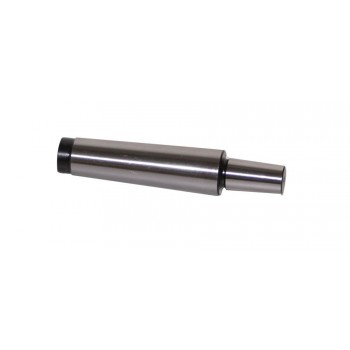
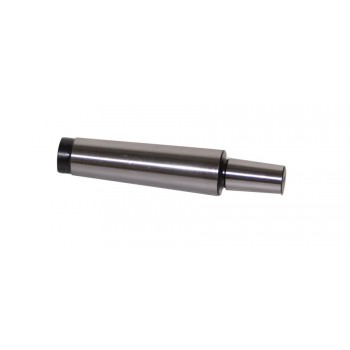
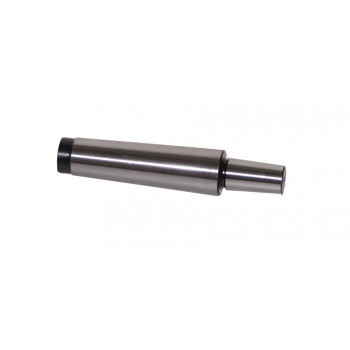
MT2/B16 Drill Chuck Arbor with M10 Drawbar Thread
12,99 €
Tax included


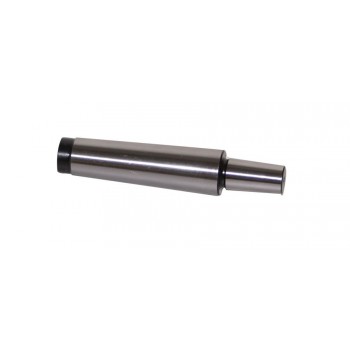
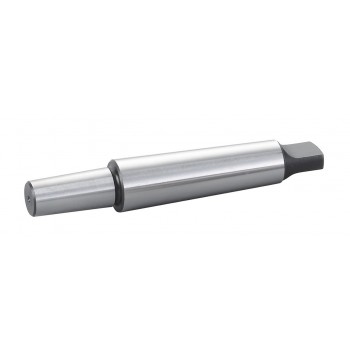
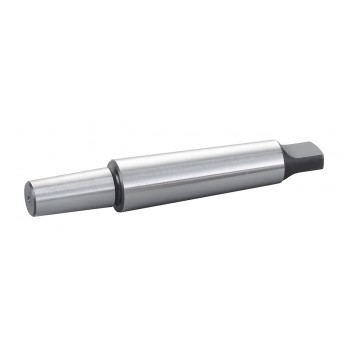
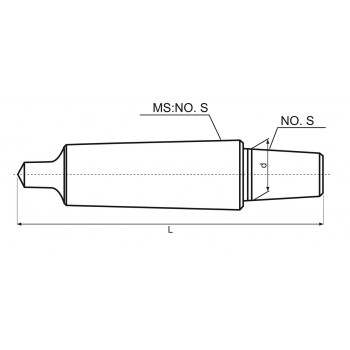
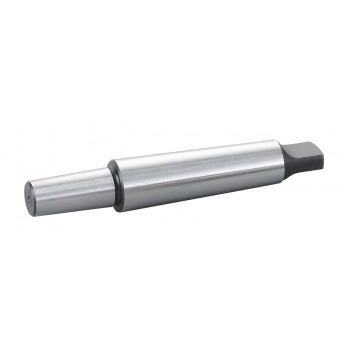
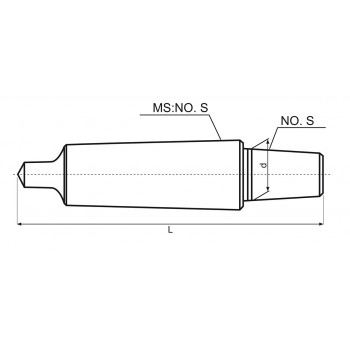


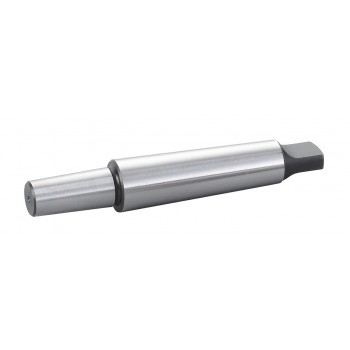
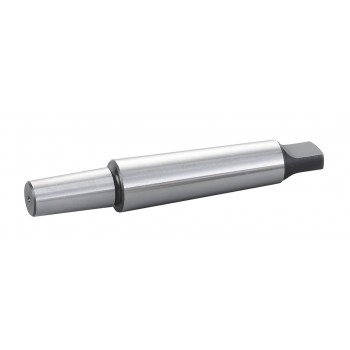


A drill chuck arbor for metalworking machines is an essential accessory designed to connect a machine spindle to a compatible drill chuck. Commonly used on drill presses, drilling and milling machines, and certain metalworking lathes, it allows a drill chuck to be mounted securely while respecting the dimensions and mounting specifications required by the machine manufacturer.
At Probois Machinoutils, we offer a selection of drill chuck arbors designed for metal drilling applications. These accessories are available in different configurations, including Morse taper sizes MT2, MT3 and MT4, combined with drill chuck mounting tapers such as B10, B12, B16 and B18, depending on the product reference.
Choosing the correct drill chuck arbor is important for achieving proper alignment, maintaining good concentricity and reducing the risk of vibration during drilling operations. Before selecting an arbor, it is therefore essential to check the technical specifications of both your machine and your drill chuck.
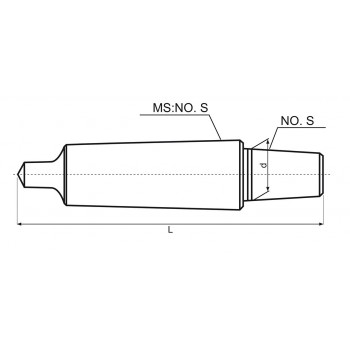
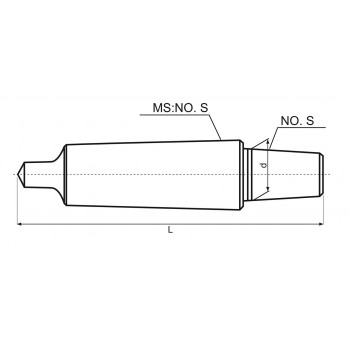
A drill chuck arbor is a mechanical connecting component used to mount a drill chuck onto a compatible machine spindle or tapered socket. It generally consists of two distinct sections: a taper designed to fit the machine and another taper designed to hold the drill chuck.
The machine-side connection may feature a Morse taper, while the chuck-side connection uses a mounting taper corresponding to the chuck's specifications.
This arrangement allows different drill chucks to be installed on compatible metalworking machines, provided that both mounting dimensions are correct. A drill chuck arbor is particularly useful when replacing a worn component, installing a new chuck or adapting existing workshop equipment.
A correctly selected arbor contributes to accurate drill positioning and reliable chuck mounting. However, it cannot compensate for a worn spindle, a damaged chuck or an incorrectly assembled tool-holding system.
The Morse taper is a widely used tapered mounting system found on many metalworking machines. It provides a precise connection between the machine spindle and compatible tooling accessories.
Drill chuck arbors are available with several Morse taper sizes, including:
These different taper sizes are not directly interchangeable. For example, an MT2 arbor cannot be installed directly into an MT3 socket without a suitable reducing sleeve or adapter.
Before purchasing a Morse taper drill chuck arbor, it is essential to identify the exact taper size used by your machine. This information is generally provided in the technical manual or spindle specifications.
The design of the taper end must also be checked, including the possible presence of a tang, threaded connection or another specific retention feature.
The second essential characteristic of a drill chuck arbor for a drill press is the taper used to connect the arbor to the drill chuck.
Many drill chucks use a tapered mounting system. Common European taper designations include B10, B12, B16 and B18.
These designations refer to standardised mounting taper dimensions and should not be confused with the chuck's clamping capacity, which is usually expressed in millimetres.
For example, a drill chuck with a clamping capacity of 1 to 13 mm does not necessarily have a B16 mounting taper. Similarly, two chucks with the same clamping capacity may use different mounting systems.
When selecting a B16 drill chuck arbor or a B18 drill chuck arbor, always check the exact mounting designation marked on the chuck or specified in its documentation.
Other drill chuck mounting systems also exist, including Jacobs tapers and threaded connections. These systems are not automatically interchangeable with B-series tapers.
A metalworking drill press is often equipped with a Morse taper spindle that allows a drill chuck to be installed using a compatible arbor.
The arbor provides the mechanical connection between the machine spindle and the drill chuck holding the drill bit.
When replacing a drill chuck, it is important to determine whether the existing arbor can be reused or whether the complete assembly needs to be replaced.
An arbor showing signs of impact damage, significant corrosion, deformation or wear on its tapered surfaces may compromise mounting accuracy and stability.
Replacing a damaged arbor with a compatible model can restore properly fitting contact surfaces, provided that the chuck and spindle are also in good condition.
The selected accessory must always comply with the drill press manufacturer's technical specifications and recommendations.
Many metal milling and drilling machines can also accommodate a drill chuck through a compatible arbor fitted to the machine spindle.
This configuration allows operators to use twist drills and other suitable drilling tools, provided that they are compatible with the chuck and the machine's operating capacity.
However, it is important to distinguish drilling operations from milling operations. A conventional drill chuck and its arbor are generally not designed to withstand the significant lateral cutting forces generated during milling.
For milling applications, a dedicated milling tool holder, collet chuck or another suitable clamping system should be used.
A Morse taper drill chuck arbor must therefore be selected according to its intended application and should not be considered a universal holder for all metal-cutting tools.
Some metalworking lathes feature a tailstock fitted with a Morse taper socket, allowing a drill chuck to be mounted using a compatible arbor.
In this configuration, the arbor can be used to secure a drill chuck for axial drilling operations on the lathe.
The Morse taper size must match the tailstock socket. It is also necessary to check the arbor length and the method used to release or eject the taper.
Depending on the machine design, some arbors are released by retracting the tailstock quill, while others require a specific removal procedure.
Before using a drill chuck arbor on a metal lathe, consult the machine's operating instructions to confirm the permitted accessories and mounting requirements.
When selecting a drill chuck adapter for a metalworking machine, several technical characteristics should be considered.
Compatibility must always be checked at both ends of the arbor. Selecting the correct Morse taper for the machine is not sufficient if the chuck mounting taper is different.
If you are unsure which model to choose, check the drill chuck reference, consult the machine documentation and compare the technical dimensions before ordering.
Installing a drill chuck arbor for metalworking machines requires care to protect the tapered contact surfaces and ensure correct positioning.
Before installation, the machine must be switched off and secured according to the manufacturer's instructions. The Morse taper and drill chuck mounting surfaces should be clean, dry and free from metal chips or other debris.
A small metal particle trapped between two tapered surfaces may cause incorrect alignment, excessive runout or damage to the mounting system.
The drill chuck should be installed using the procedure specified by its manufacturer. Avoid striking precision surfaces directly with a steel hammer or applying excessive force.
After installation, check that the assembly is securely seated and that no abnormal movement or looseness is present.
When removing the arbor, use the extraction method and tools recommended for the machine and taper design. Incorrect removal procedures can damage the spindle, chuck or arbor.
A drill chuck arbor is a mechanical component that may become worn or damaged over time, particularly following impacts, incorrect installation or repeated handling.
Several warning signs may indicate that inspection or replacement is necessary:
However, drilling inaccuracies are not always caused by the arbor itself. They may also result from a damaged drill chuck, spindle wear, a bent drill bit or incorrect clamping.
It is therefore advisable to inspect the complete tool-holding assembly before replacing an individual component.
Specialising in woodworking and metalworking machinery, Probois Machinoutils offers a selection of accessories and tooling designed to equip, maintain and adapt machines used in mechanical workshops.
Our Drill Chuck Arbor for Metalworking Machines category brings together different mounting configurations designed to connect Morse taper machine sockets to compatible drill chucks.
Depending on the available references, you can find an MT2 drill chuck arbor, an MT3 drill chuck arbor or an MT4 drill chuck arbor, combined with B10, B12, B16 or B18 chuck mounting tapers.
To complete your workshop equipment, explore our range of drill chucks, Morse taper reducing sleeves, Morse taper extension adapters and other accessories for metalworking drill presses and milling machines.
Whether you need to replace a worn arbor, install a new drill chuck or equip a recently purchased machine, choosing a compatible drill chuck arbor helps ensure reliable tool mounting and consistent drilling performance.