Metal milling cutters: essential cutting tools for precision machining
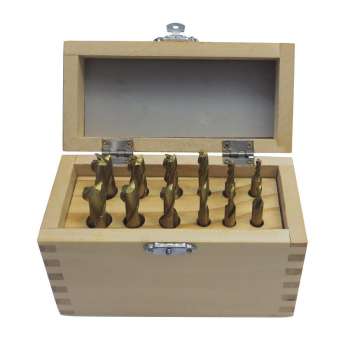
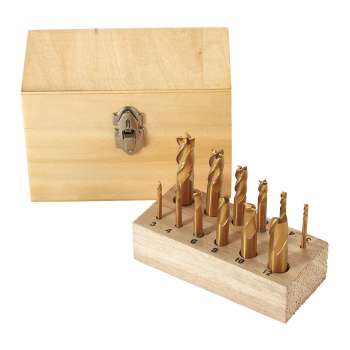
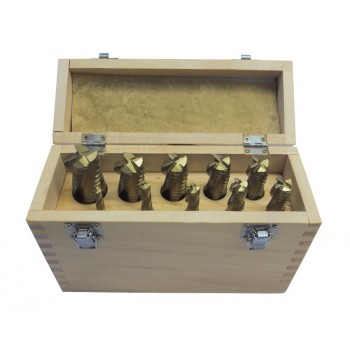
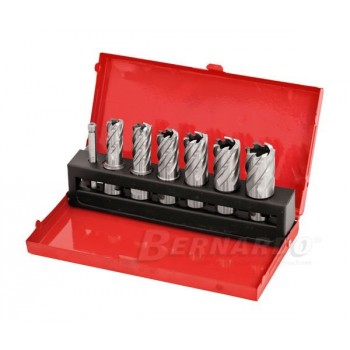
A metal milling cutter is a rotating cutting tool used on a compatible milling machine or milling-drilling machine to shape metal workpieces. Depending on its design, it can machine flat faces, shoulders, grooves, profiles and other features. Probois Machinoutils offers metalworking tools for workshops, maintenance technicians and machining enthusiasts. Choosing the correct cutter requires attention to the material, diameter, number of flutes, machine rigidity and tool holding system.
HSS milling cutters for versatile workshop applications
High-speed steel, commonly known as HSS, is used for many conventional milling cutters. HSS tools can be suitable for general-purpose operations on compatible steels, aluminium and other metals when the geometry and cutting conditions are appropriate. Their performance depends on the grade, sharpening, cutter diameter and machine settings. Select spindle speed and feed according to the workpiece and tool manufacturer recommendations rather than relying on a single setting for every metal.
End mills for shoulders, profiles and slots
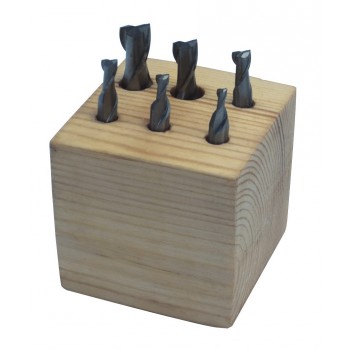
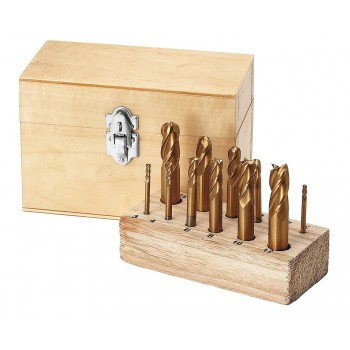
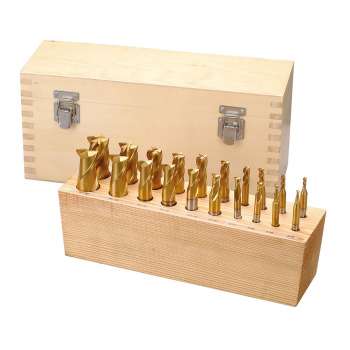
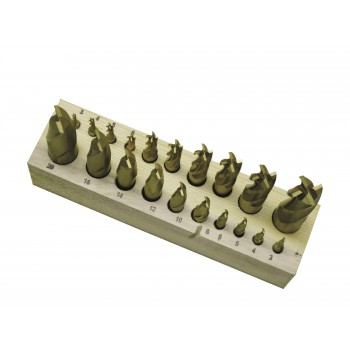
An end mill typically has peripheral cutting edges and, depending on its design, cutting edges on its end face. It can machine shoulders, outlines and various slots. Not every end mill is centre-cutting, so not every model can plunge straight into solid material. Check the tool geometry before selecting an entry strategy. Diameter, flute length and overhang also influence accuracy, vibration and the quality of the finished surface.
For workshop planning, measure the workpiece and the available travel before starting. Check clearance between the tool, vise and machine column throughout the intended movement. A trial pass on suitable scrap material can help validate the setup. Record successful cutting settings for future jobs, while remembering that different cutter grades and machines may require adjustments.
Slot milling cutters and chip evacuation
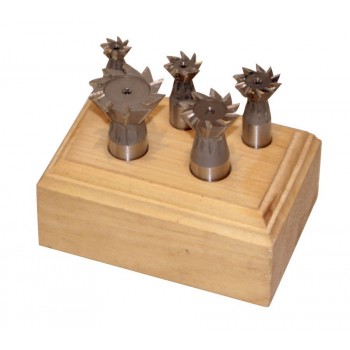
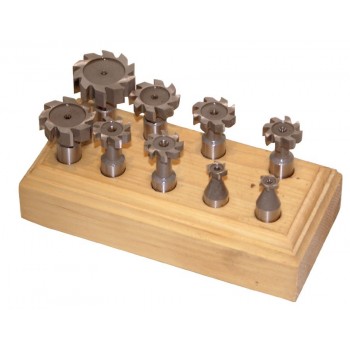
Slot milling demands a cutter suited to the required groove width and depth. Chip evacuation becomes particularly important because chips may accumulate in a narrow channel. Use a suitable depth of cut and feed, and keep the workpiece firmly secured. Some cutters are designed for specialised grooves or profiles; check the product dimensions carefully before ordering. A cutter intended for one groove shape should not automatically be assumed suitable for every application.
Face milling cutters for flat metal surfaces
Face milling creates flat reference surfaces and can help prepare rough stock for subsequent operations. Depending on the tool, this work may use a solid cutter or a cutter body fitted with replaceable inserts. Cutter diameter, engagement, workpiece clamping and spindle alignment affect the result. Excessive cutting forces or insufficient rigidity may cause chatter and visible marks. Select the tool and cutting conditions within the actual capabilities of the milling machine.
Choosing cutters for steel, aluminium and other metals
Steel, aluminium, brass and cast iron do not behave identically during machining. The ideal cutter geometry and chip evacuation characteristics can differ between materials. Some aluminium applications benefit from generous chip space, while certain steels demand particular attention to cutting forces and heat. HSS and carbide tools also have different operating characteristics. Always verify the materials specified for each cutter and use cutting data suitable for the actual combination.
For workshop planning, measure the workpiece and the available travel before starting. Check clearance between the tool, vise and machine column throughout the intended movement. A trial pass on suitable scrap material can help validate the setup. Record successful cutting settings for future jobs, while remembering that different cutter grades and machines may require adjustments.
How to select the right milling cutter
Before buying a cutter, identify the operation, workpiece material, required cutting diameter, number of flutes, cutting length, shank diameter and tool material. Consider machine power, available spindle speeds and rigidity. A long tool projection may increase vibration, so use only the necessary reach. The shank must fit the intended holder precisely. For specialised profiles, check the cutter shape as well as the nominal diameter.
Tool holders, collets and safe cutter mounting
Straight-shank cutters are often mounted in compatible collets and collet chucks; other cutter types require an arbor or dedicated holder. Use a toolholding system designed to withstand lateral milling forces. A conventional drill chuck is not an appropriate substitute for a milling cutter holder. Clean mating surfaces and check secure clamping before starting. Follow the machine and toolholder manufacturers instructions for installation and removal.
Cutting parameters, maintenance and workshop safety
Secure the workpiece using a machine vise or suitable clamping equipment. Set spindle speed, feed and depth of cut for the cutter and material, taking machine limitations into account. Maintain effective chip clearance and use appropriate cutting fluid where required. Replace damaged or blunt tools; resharpen only when the design allows it. Never remove chips by hand while the spindle is turning. Observe machine guards and workshop safety procedures.
For workshop planning, measure the workpiece and the available travel before starting. Check clearance between the tool, vise and machine column throughout the intended movement. A trial pass on suitable scrap material can help validate the setup. Record successful cutting settings for future jobs, while remembering that different cutter grades and machines may require adjustments.
Metal milling tools from Probois Machinoutils
At Probois Machinoutils, this category helps you find milling cutters for metalworking and compare the relevant tool characteristics. To complete your setup, explore compatible collets, holders, milling arbors, machine vises and clamping accessories in their dedicated categories. Whether you are equipping a new milling machine or replacing a worn tool, matching the cutter to the material, machine and operation supports reliable, repeatable results.