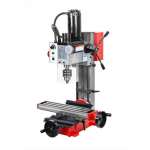
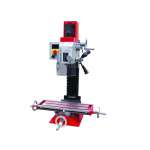
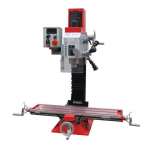
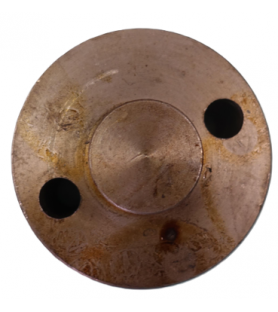
Discover our selection of spare parts for Holzmann metal milling machines, designed for the maintenance, repair and servicing of your machine tool.
A metal milling machine is a precision machine incorporating numerous mechanical and electrical components subjected to significant loads during machining. The transmission, spindle, motor, bearings, gears, drive belts, electrical controls and feed mechanisms must all operate correctly to ensure accurate and consistent machining.
Probois Machinoutils offers a growing range of replacement parts for Holzmann milling machines, allowing worn, broken or damaged components to be replaced without having to replace the complete machine.
Depending on availability, you can find various mechanical, electrical and transmission components suitable for Holzmann metal milling machines.
Gears and Transmission Parts for Holzmann Milling Machines
The transmission system transfers power from the motor to the spindle and, depending on the design of the machine, allows different spindle speeds to be selected or controlled.
Gears and pinions are components that may become worn or damaged, particularly following a mechanical blockage, excessive machining load or unsuitable use of the machine.
A damaged gear can cause knocking noises, unusual sounds, difficulty changing speed or a loss of spindle drive.
When replacing a gear, it is essential to check its exact reference and position on the exploded parts diagram of the machine.
Drive Belts for Holzmann Metal Milling Machines
Some Holzmann milling machines use one or more drive belts between the motor and spindle or within the transmission system.
A worn, stretched or damaged belt can cause slipping, reduced power transmission to the spindle, speed fluctuations or unusual noises.
Different belt profiles and dimensions may be used depending on the machine.
Before ordering a drive belt for a Holzmann milling machine, always check its reference, dimensions and profile, as well as the list of compatible machines provided on the product page.
Spindles and Spindle Parts for Holzmann Milling Machines
The spindle is one of the essential components of a metal milling machine. It provides the rotation required by the cutting tool and directly contributes to machining accuracy.
A spindle with excessive play, vibration or irregular rotation can affect surface finish, machining dimensions and cutting tool life.
Before replacing the complete spindle, the associated bearings, transmission components and tool-holding system should also be inspected.
Accurate diagnosis is important because play detected at the cutting tool does not necessarily mean that the complete spindle is defective.
Bearings for Holzmann Metal Milling Machines
Bearings allow the spindle and other rotating shafts to operate smoothly while reducing friction and mechanical play.
Over time, a bearing may become worn and cause symptoms such as unusual noises, vibration, overheating or increased play.
On a milling machine, bearing condition is particularly important because mechanical play can directly affect machining accuracy.
When replacing a bearing, its dimensions and specifications must correspond precisely to the original installation.
Motors for Holzmann Milling Machines
The milling machine motor provides the power required to drive the spindle.
However, a motor that no longer starts or appears to lack power is not necessarily defective.
Depending on the machine, other components should also be checked, including the electrical supply, protection devices, switch, contactors, speed controller, capacitors on certain single-phase models, wiring and safety devices.
A blocked or abnormally resistant transmission can also overload the motor.
Before ordering a replacement motor, always check the exact milling machine model, supply voltage, motor power and manufacturing date.
Speed Controllers and Speed Adjustment Components
Some Holzmann metal milling machines are equipped with a variable speed system, allowing the spindle speed to be adapted to the cutter diameter, material being machined and type of operation.
Depending on the machine, this system may include an electronic speed controller, potentiometer, electronic control board, display or other control components.
A spindle that no longer starts, unstable speed or an inability to adjust the spindle speed does not automatically mean that the speed controller is defective.
The different components of the control circuit should be checked before replacing an electronic part.
Switches and Electrical Parts for Holzmann Milling Machines
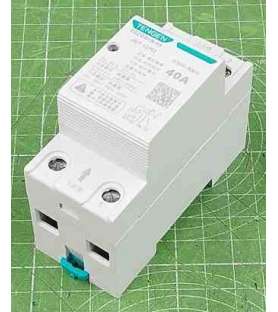
Switches, emergency stop buttons, contactors, electrical protection devices and other control components contribute to the operation and safety of the milling machine.
If the machine has a starting problem, it is important to identify the exact cause before ordering a replacement part.
A milling machine that does not start may have a power supply problem, an incorrectly engaged safety device, a defective contact, a damaged electrical component or a fault relating to the motor or its control system.
Electrical components may also change between different production versions of the same machine model.
Table, Axis and Feed Mechanism Parts
The accuracy of a milling machine also depends on the different table, axis and milling head movement mechanisms.
Lead screws, nuts, handwheels, handles, shafts, locking mechanisms and other components allow the workpiece to be positioned accurately in relation to the cutting tool.
Wear or damage to these parts can cause excessive play, make adjustment more difficult or reduce positioning accuracy.
However, when excessive play develops, its exact source should be identified before replacing a component, as several mechanical parts may be involved in the same movement.
Pulleys, Shafts and Mechanical Components
Pulleys, shafts, axles and other mechanical components provide the connection between the different operating systems of the milling machine.
A damaged pulley can cause premature wear of a drive belt, while a bent or worn shaft may cause vibration or excessive play.
During a repair, it is therefore advisable to inspect the complete mechanism concerned rather than replacing only the component showing the most obvious symptoms.
This can prevent a new replacement part from being damaged prematurely by another defective component.
How to Find the Correct Spare Part for Your Holzmann Milling Machine
To correctly identify a spare part for a Holzmann metal milling machine, first check the exact machine reference shown on its identification plate.
Then use the exploded parts diagram corresponding precisely to your milling machine model to identify the required component and its position number.
Depending on the part, several details may be required: exact milling machine model, position number on the exploded parts diagram, month and year of manufacture, serial number, supply voltage and reference marked on the original component.
For drive belts, bearings, gears and other mechanical components, the dimensions of the original part may also help confirm the correct replacement reference.
IMPORTANT: Check Compatibility Before Ordering
IMPORTANT: BEFORE ORDERING, ALWAYS CHECK THE LIST OF COMPATIBLE MACHINES PROVIDED ON THE PRODUCT PAGE.
Holzmann may have made technical modifications to certain milling machines during their production period.
The same machine model may therefore have been fitted with different components depending on its month and year of manufacture or serial number.
This check is particularly important for motors, gears, drive belts, switches, speed controllers, electronic control boards and other specific electrical or mechanical components.
Two parts that appear identical or very similar are not necessarily interchangeable.
Using the Exploded Parts Diagram for Your Holzmann Milling Machine
The exploded parts diagram is one of the most reliable ways to identify a milling machine spare part.
Each component of the machine is shown with a position number that can be used to identify the corresponding replacement part.
Before ordering, compare the position number with the exploded parts diagram corresponding precisely to your version of the machine.
To avoid identification errors, do not rely solely on the visual appearance of a component. Two parts that look almost identical may have different dimensions, specifications or mounting arrangements.
Maintaining and Repairing a Holzmann Metal Milling Machine
Regular maintenance helps preserve the accuracy, performance and service life of your milling machine.
Regularly inspect the drive belts, gears, bearings, spindle, feed mechanisms, locking systems and electrical components.
Metal chips should also be removed regularly from moving areas and mechanisms to prevent them from interfering with machine operation.
Unusual noises, vibration, excessive play, loss of power or feed problems should be investigated promptly to prevent a defective component from causing wear or damage to other parts of the machine.
Probois Machinoutils – Holzmann Milling Machine Spare Parts
Probois Machinoutils offers a growing range of spare parts for Holzmann metal milling machines, helping you maintain and repair your machine tools.
Depending on availability, you can find gears, drive belts, bearings, motors, switches, speed controllers, electrical components, pulleys, shafts, spindle parts, handwheels, handles and other mechanical replacement parts.
Replacing the actual defective component can help restore your Holzmann milling machine to proper working condition and extend its service life without replacing the complete machine.