Sorry for the inconvenience.
Search again what you are looking for











Search again what you are looking for
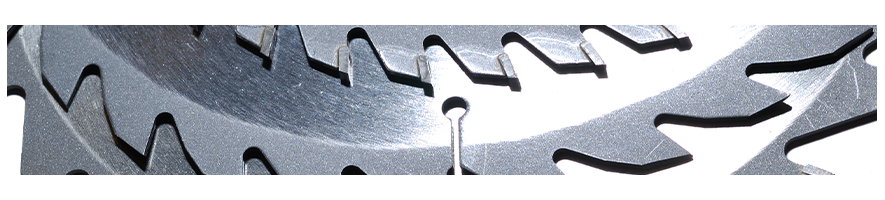
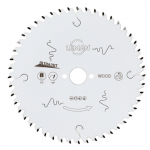
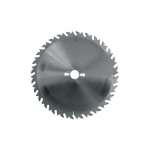
Carbide circular saw blades are essential cutting tools for working with wood and wood-based panels. Thanks to tungsten carbide tipped teeth, these blades offer excellent wear resistance and provide precise cuts in many materials. They are commonly used on various machines such as handheld circular saws, plunge saws, miter saws and table saws.
Choosing the right circular saw blade does not depend only on the blade diameter or bore size. The tooth geometry, the number of teeth, and the kerf thickness all play a key role in the quality of the cut. A blade that is well suited to the material and the type of operation will improve the finish, reduce tear-out and optimize the performance of the saw.
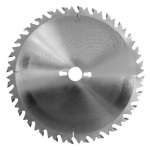
For ripping solid wood, blades with fewer teeth and a more aggressive tooth geometry are generally recommended. These blades are designed to remove chips quickly and allow fast cutting along the grain of the wood.
This type of blade is commonly used on table saws, jobsite circular saws, or handheld circular saws when cutting boards or preparing rough lumber. An alternate top bevel tooth pattern with a lower tooth count allows higher cutting speed while reducing heat buildup during cutting.
Frequently searched keywords for this type of blade include wood circular saw blade, ripping circular saw blade and carbide circular saw blade for wood.
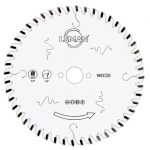
When clean and precise cuts are required, especially in panels, blades with a higher tooth count are generally preferred. These blades produce a smoother cut and a finer finish.
They are particularly suitable for miter saws, plunge saws and circular saws used for panel cutting, including plywood, laminated panels or melamine boards. An alternate bevel or trapezoidal tooth design helps reduce chipping and improves the surface finish.
When cutting MDF, melamine or laminated panels, blades with a higher tooth count and specific tooth geometry are recommended in order to achieve clean edges and minimize surface damage.
Common search terms for this type of blade include finishing circular saw blade, circular saw blade for panels, melamine circular saw blade and plunge saw blade.
Selecting the right circular saw blade also depends on the machine being used. Plunge saws and miter saws generally perform best with thin or ultra-thin kerf blades, which provide a precise cut and a clean finish.
Handheld circular saws often use thin kerf blades to reduce the load on the motor and make cutting smoother when working with wood or panel materials.
Table saws, commonly used in woodworking workshops, can use stronger and thicker blades designed for ripping or repeated cuts in solid wood.
Choosing the correct tooth design and blade type not only improves cutting quality but also increases blade life and allows more efficient and precise work in woodworking and construction projects.