Plasma Cutter: An Efficient Solution for Cutting Metal
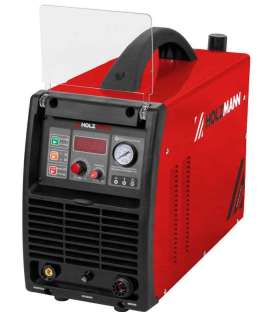
A plasma cutter is a highly practical piece of equipment for making fast and precise cuts in various electrically conductive metals. Widely used in metalworking workshops, fabrication shops, maintenance facilities and industrial environments, it can cut metal sheets, plates, profiles and many other components with excellent versatility. At Probois Machinoutils, we offer a selection of Holzmann plasma cutters designed for different requirements, from occasional cutting operations to more demanding workshop applications, depending on the specifications of each machine.
Thanks to its operating principle, a plasma cutting machine can process different materials, including steel, stainless steel and aluminium. It provides an interesting alternative to certain mechanical cutting methods, particularly when producing complex shapes, internal cut-outs or components of varying thicknesses.
How Does a Plasma Cutter Work?
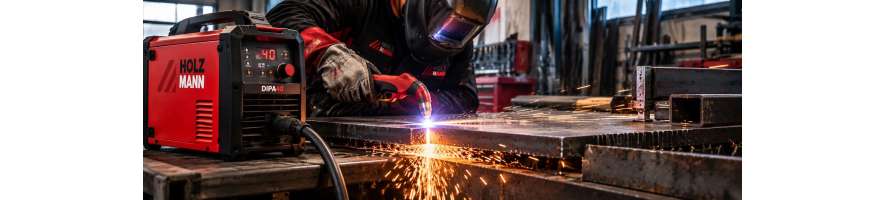
An electric plasma cutter uses an electric arc combined with a flow of gas, generally compressed air in air plasma cutting equipment. The electrical energy ionises the gas, creating an extremely hot plasma jet capable of locally melting the metal.
The gas flow then removes the molten material to produce a cutting line. This process offers considerable flexibility and makes it possible to cut electrically conductive metals without using a saw blade or abrasive cutting disc.
The quality of the result depends on several factors, including the power of the plasma cutting unit, the thickness of the material, the torch travel speed, the condition of the consumables and the quality of the compressed air.
Unlike a conventional welding machine, which is primarily designed to join metal components, a plasma cutting machine is specifically intended to separate materials. It therefore provides an excellent complement to welding equipment in a metalworking workshop.
Plasma Cutter for Steel, Stainless Steel and Aluminium
One of the main advantages of plasma cutting is its ability to process various electrically conductive metals. This technology is particularly suitable for mild steel, stainless steel and aluminium, provided that the technical capabilities of the selected machine are respected.
For plasma cutting steel, the process can produce straight cuts, openings, contours and various shapes. It is especially useful for manufacturing brackets, mounting plates, metal structures and components intended for subsequent assembly or welding.
A plasma cutter for stainless steel is also an interesting solution for cutting stainless steel sheets and components. It allows different shapes to be produced without requiring the same cutting tools used in conventional mechanical operations.
Plasma cutting aluminium is also possible with suitable equipment. However, the cutting current, air pressure and travel speed must be correctly adjusted to achieve satisfactory results and reduce imperfections along the cut edges.
Whatever the material, it is essential to check the cutting capacity specified by the manufacturer. The maximum thickness that a machine can sever does not necessarily correspond to the thickness at which it can consistently produce a clean and regular cut.
Inverter Plasma Cutter: Compact Design and Efficient Performance
Modern inverter plasma cutters use electronic technology to provide relatively compact equipment that can be easily integrated into a workshop. Depending on the model, they offer different adjustments for adapting the cutting process to the material and thickness being processed.
A portable plasma cutter can be particularly useful for maintenance operations, repairs to metal structures and applications requiring the equipment to be moved regularly.
Inverter technology also allows machines to provide electronic current regulation. However, choosing a plasma cutter should always be based on its actual technical specifications, including cutting current, duty cycle, electrical supply, required air pressure and cutting capacity.
At Probois Machinoutils, we believe that clear technical information is essential for helping customers choose equipment suited to their intended applications, without confusing the capabilities of a machine designed for occasional use with those of equipment intended for intensive operation.
Holzmann Plasma Cutter: Discover the DIPA Range
Holzmann offers various machines and equipment for metalworking, including the DIPA range of plasma cutting machines. These machines are designed to meet different cutting requirements in maintenance workshops, metal fabrication shops and other metalworking environments.
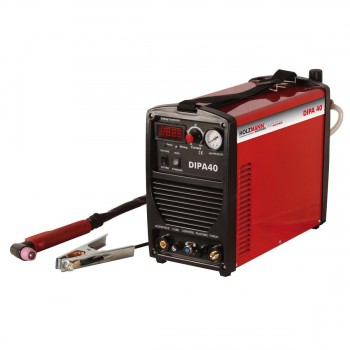
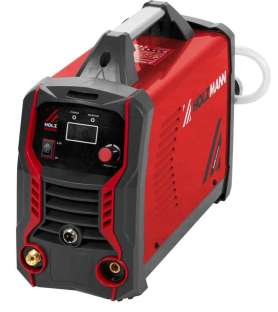
The range includes models such as the Holzmann DIPA40, DIPA40NEO, DIPA100 and DIPA100NEO plasma cutters. These machines have different specifications and cutting capabilities, allowing users to select equipment according to their intended applications.
Before choosing your Holzmann plasma cutter, compare the technical characteristics of each model, particularly the cutting current range, electrical supply, cutting capacity and compressed air requirements.
The selection of a machine should not depend solely on its maximum amperage. Frequency of use, material type and workpiece thickness are equally important for ensuring that the equipment meets your actual needs.
How to Choose a Plasma Cutter According to Metal Thickness
When looking to buy a plasma cutter, one of the first factors to consider is the thickness of the materials you intend to cut. A machine designed for occasional work on thin sheet metal will not necessarily meet the requirements of regular cutting operations on thicker steel plates.
It is important to distinguish between the recommended cutting capacity and the maximum severance capacity. The recommended cutting range generally corresponds to conditions that allow a more satisfactory cut quality, while the maximum severance capacity may represent the machine's technical limit under specific operating conditions.
The cutting current, expressed in amperes, influences the machine's capabilities. However, amperage alone does not determine cutting performance. Torch design, compressed air quality and cutting parameters also play an important role in the final result.
The plasma cutter duty cycle must also be considered. It indicates how long the equipment can operate at a specified current, under defined conditions, before requiring a cooling period.
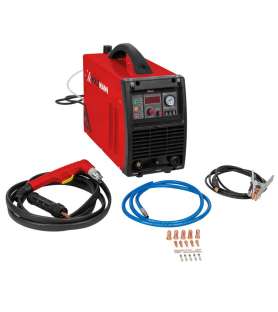
Finally, check the machine's dimensions, weight, supplied accessories and installation requirements. These factors are important when organising an efficient and practical workstation.
230V or 400V Plasma Cutter: Which Power Supply Should You Choose?
The electrical supply required depends on the available installation and the specifications of the machine. A 230V plasma cutter can be a practical solution for certain garages and workshops equipped with a suitable single-phase electrical supply.
Machines requiring a three-phase electrical supply, generally 400V, may meet different power requirements depending on their design and technical specifications.
Before installation, it is essential to verify the supply voltage, electrical current requirements and protective devices recommended by the manufacturer. An inadequate electrical installation may cause circuit breakers to trip or prevent the machine from operating correctly.
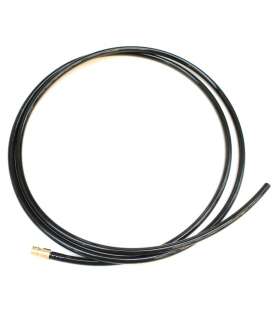
Connecting the equipment to a compressor is another essential consideration for plasma cutters operating with compressed air. The compressor must provide the pressure and airflow required by the machine, in accordance with the manufacturer's recommendations.
Air Compressor and Compressed Air: Essential for Plasma Cutting
Most compressed air plasma cutters require a suitable air supply to generate the plasma jet and remove molten metal from the cutting area.
Insufficient airflow or incorrect pressure can reduce cutting quality and accelerate the wear of certain consumables. It is therefore important to check the machine's air requirements before selecting a suitable compressor.
Air quality also plays a significant role. Moisture, oil and impurities in the pneumatic circuit can interfere with torch operation. An appropriate filtration or air treatment system can help improve cutting consistency and reduce premature consumable wear.
A plasma cutter with an external air compressor must be installed in accordance with the manufacturer's instructions, respecting the specified pressure, airflow and safety requirements.
Plasma Cutting Torch, Nozzles and Electrodes: Essential Consumables
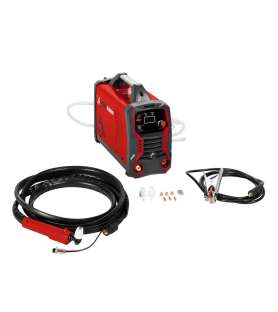
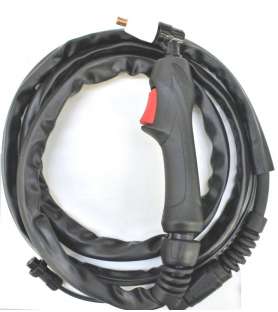
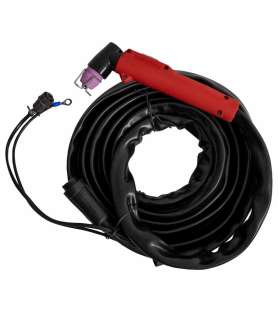
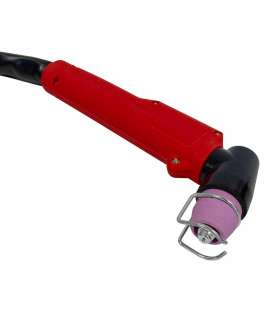
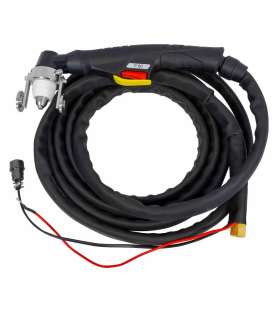
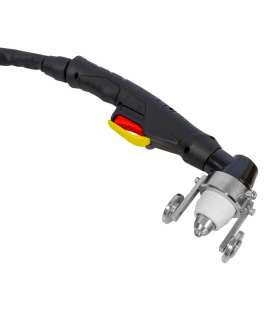
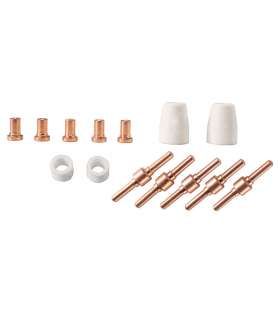
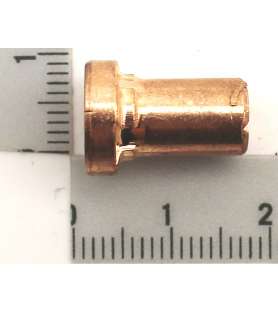
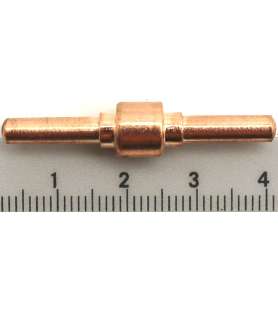
To maintain good cutting performance, a plasma cutter must be used with consumables compatible with its torch. Common replacement components include plasma cutting electrodes, plasma cutting nozzles and various protective or guiding components, depending on the machine.
These parts are subject to wear during operation. Replacement becomes necessary when cutting quality deteriorates, the arc becomes unstable or visible damage appears on the components.
A worn nozzle can result in reduced cutting accuracy, increased dross formation or an irregular cutting line. A damaged electrode may also affect arc ignition and plasma stability.
It is essential to choose plasma cutter consumables that are compatible with the exact model of your machine and torch. Components that look similar are not necessarily interchangeable.
At Probois Machinoutils, we pay particular attention to the identification of spare parts and accessory references to help customers maintain their equipment correctly.
Plasma Cutting in the Workshop: Safety and Best Practices
Plasma metal cutting produces extremely high temperatures, molten metal projections, intense light radiation and potentially hazardous fumes. It is therefore essential to follow the manufacturer's safety instructions and use suitable personal protective equipment.
Appropriate eye and face protection, heat-resistant gloves, protective clothing and safety footwear are necessary to reduce the risks associated with sparks, molten metal and hot surfaces.
The workstation must be installed in a suitable environment, away from flammable materials. Effective ventilation and, where required, a plasma cutting fume extraction system should be provided to reduce exposure to emissions generated during cutting operations.
A suitable metal cutting table, secure workpiece positioning and safe routing of cables and air hoses also contribute to improved working conditions.
Finally, regularly inspect the torch, electrical connections, compressed air circuit and consumables. These checks help maintain correct machine operation and contribute to user safety.
Buy Your Plasma Cutter at Probois Machinoutils
Specialising in woodworking machines, metalworking equipment and workshop tools, Probois Machinoutils offers a selection of Holzmann plasma cutters to equip your workshop and carry out various metal cutting operations.
Whether you are looking for a plasma cutter for steel, a machine for cutting stainless steel sheets or versatile equipment for metal fabrication, our catalogue allows you to compare different models according to their technical specifications.
We also offer complementary metalworking equipment, including welding machines, welding accessories, worktables and various workshop solutions designed to improve your working environment.
Before placing your order, carefully check the product specifications, including supply voltage, cutting capacity, compressed air requirements and included accessories.
Our team is available to advise you and help you choose a plasma cutting machine suited to your needs, budget and frequency of use.
Discover our selection of plasma cutters at Probois Machinoutils and equip your workshop with the right tools for fast, precise and efficient metal cutting.