
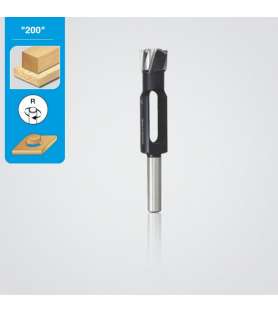
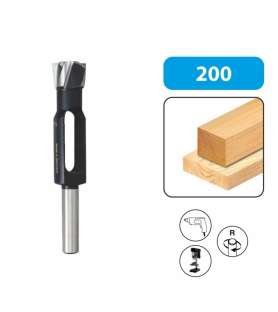
Steel corking drill bit WS Ø 35 mm
49,99 €
Tax included
Drill bit Ø 35 mm with multiple knives for making corks.



Drill bit Ø 35 mm with multiple knives for making corks.
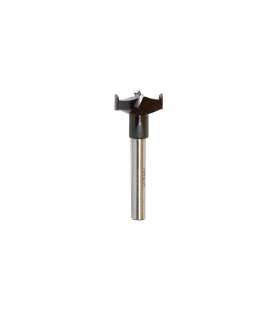
Leman HM carbide shaping bit with flat bottom D. 35 mm L. 90 mm Q. 10 mm
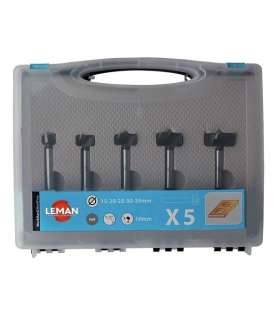
Leman box 5 drill bits dia. 15-20-25-30-35 mm
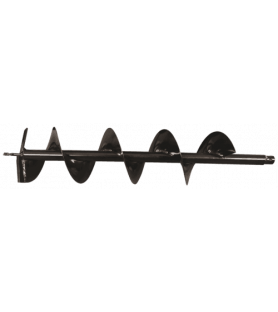
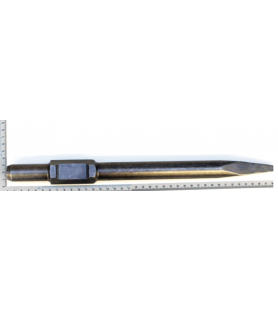
Pointed chisel for Scheppach AB1600 or AB1900 jackhammer
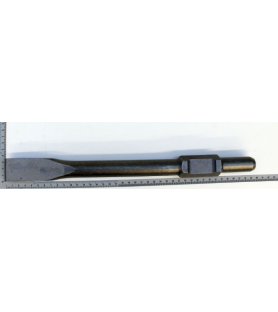
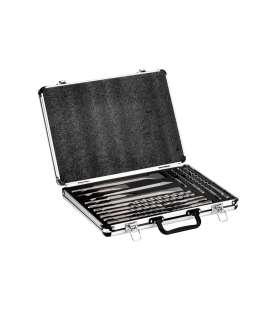
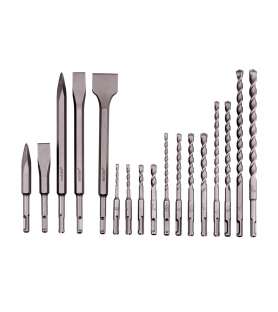
Set of 17 Metabo SDS-PLUS SP drills / chisels for concrete, masonry, natural stone.
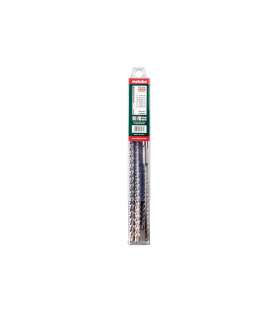
Set of 7 Metabo SDS-PLUS P4P drills allowing vibration-free drilling thanks to the Vario spiral with 4 helices!
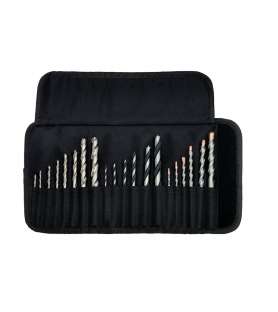
Metabo case comprising 20 metal drills in high-performance high-performance steel
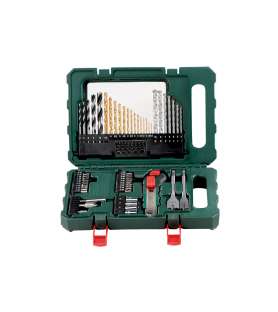
Robust and high-quality case with special Metabo design consisting of 55 pieces.
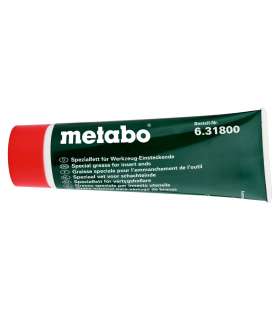
Special Metabo grease for fitting various tools.
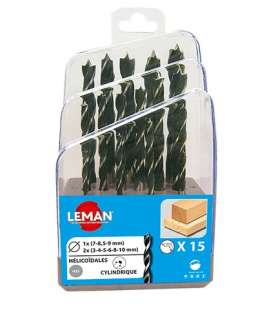
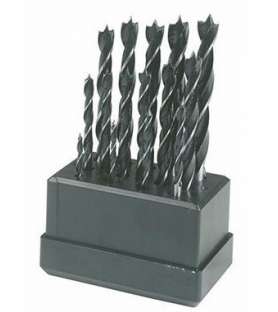
Set of HSS Leman 201.500.15 helical wood drill bits - 15 pieces
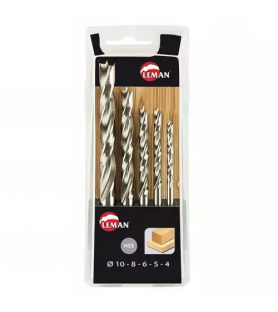
EXPERT set of HSS Leman 206.500.05 wood twist drill bits - 5 pieces
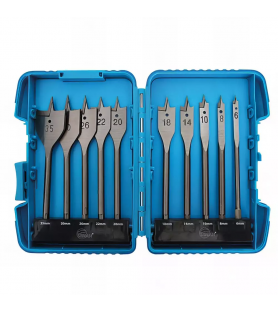
Leman 304.500.10 Flat Wood Drill Bit Set - 10 Pieces
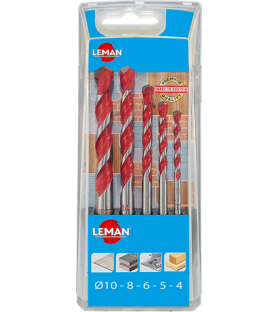
Leman 702.000.05 Multi-Material Cylindrical Drill Bit Set - 5 Pieces
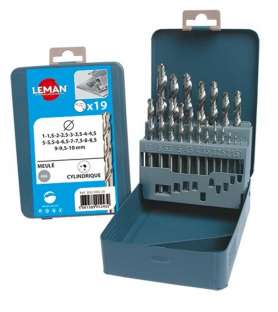
Leman 802.000.19 HSS-SP Metal Drill Bit Set - 19 Pieces
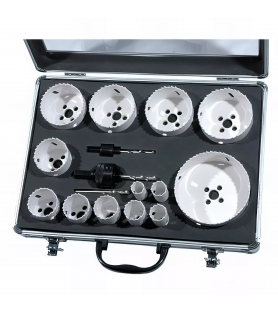
Set of 13 bi-metal core drill bits, 16-102 mm diameter, with 2 chuck and 3 drill bits - Leman ref 5013
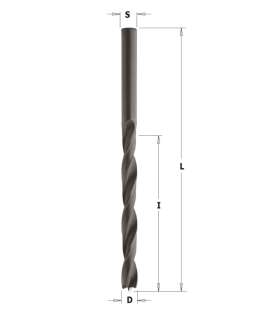
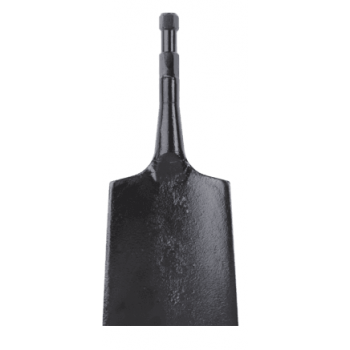
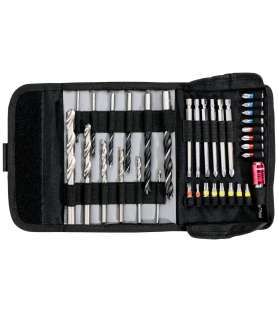
Roller-up case including 35 Metabo "SP" bits and drills.
Choosing the right drill bit is essential for producing clean, accurate holes in a wide variety of materials. Whether you are a woodworker, cabinetmaker, metalworker, professional tradesperson or DIY enthusiast, using the appropriate cutting tool helps improve drilling quality, protect your equipment and reduce premature wear.
At Probois Machinoutils, we offer a selection of wood drill bits, metal drill bits, masonry drill bits and drilling accessories suitable for compatible handheld drills, drill presses and other drilling machines.
This category brings together different types of drilling tools for woodworking, furniture assembly, metal fabrication, renovation and general workshop applications.
Wood drill bits are specifically designed for drilling softwood, hardwood and, depending on their geometry, certain engineered wood panels.
Unlike conventional metal drill bits, many wood drill bits feature a centring point that helps position the tool accurately and prevents it from wandering when drilling begins.
Different types are available for woodworking applications:
Brad point drill bits for accurate everyday drilling.
Flat wood bits, also known as spade bits, for drilling relatively large holes.
Forstner bits for creating clean, flat-bottomed holes.
Wood plug cutters for producing wooden plugs used to conceal fixings and complete joinery work.
The correct choice depends on the required diameter, drilling depth and desired finish.
Forstner bits are particularly popular in woodworking, cabinetmaking and furniture manufacturing.
They are designed to produce flat-bottomed holes, making them suitable for concealed hinges, furniture fittings and joinery applications requiring accurate diameters.
35 mm hinge boring bits are commonly used to drill recesses for concealed cabinet hinges.
For consistent results, the drilling speed should be adapted to the bit diameter and wood type. The workpiece must also be securely clamped during machining.
A wood plug cutter is designed to cut cylindrical wooden plugs from a piece of timber.
These plugs are commonly used to conceal screw heads, cover drilled holes and create discreet finishes on furniture and woodworking projects.
Using plugs made from the same wood species as the workpiece can provide a more consistent appearance, particularly when the grain direction is carefully matched.
For a clean fit, select a plug cutter with a diameter suitable for the hole to be filled.
Metal drill bits are designed to drill holes in different metallic materials, depending on their composition and cutting geometry.
High-speed steel (HSS) drill bits are widely used for general-purpose drilling in mild steel, aluminium and certain metal alloys.
More demanding applications may require specialised drill bits, including cobalt-alloyed HSS bits or tools with suitable surface coatings.
When drilling metal, several factors are particularly important:
Selecting the correct spindle speed for the material and drill diameter.
Maintaining sharp cutting edges.
Securing the workpiece properly.
Applying a suitable feed rate.
Using appropriate cutting oil or coolant when required.
A properly selected and maintained HSS drill bit helps produce consistent holes while reducing overheating and premature tool wear.
Masonry drill bits are designed for drilling construction materials such as concrete, brick and certain types of masonry, within the manufacturer's specified applications.
They generally feature a reinforced cutting tip, often made from carbide, to withstand the demands of drilling mineral-based materials.
SDS-Plus drill bits are designed for compatible rotary hammers. They are commonly used to drill holes for wall plugs, anchors and other building fixings.
It is important to distinguish between masonry bits intended for conventional drills and those specifically designed for rotary hammers.
Choosing the correct drill bit helps protect the machine, improve drilling efficiency and reduce the risk of damaging the material.
Multi-material drill bits are designed for use with several types of materials, depending on the manufacturer's specifications.
They offer a practical solution for renovation, installation and general DIY projects involving different drilling surfaces.
However, their versatility does not mean they can always replace specialised drill bits.
For repetitive drilling operations or applications requiring high precision, using a bit specifically designed for the material is generally preferable.
Hole saws and core cutters are used to create openings larger than those normally produced with conventional drill bits.
Depending on their design, they can be used on wood, certain metals, plastics or construction materials.
Bi-metal hole saws are particularly useful for various installation and maintenance applications, provided they are suitable for the material being drilled.
These cutting accessories are commonly used for cable routing, pipe installation, technical openings and interior fitting work.
The cutting diameter, maximum drilling depth, arbor connection and operating speed must all be suitable for the intended application.
Before selecting a drilling tool, several important factors should be considered.
Material to be drilled: solid wood, engineered wood panels, steel, aluminium, concrete and masonry require different cutting geometries and tool characteristics.
Diameter and drilling depth: these determine the required drill bit dimensions and working length.
Machine compatibility: handheld drills, drill presses, rotary hammers and mortising machines have different requirements in terms of tool mounting and operation.
Required finish: certain drill bits are designed specifically for precision drilling, flat-bottomed holes or large-diameter openings.
Frequency of use: for regular or professional applications, selecting tools suited to the material and workload helps maintain consistent drilling performance.
To extend the service life of your drill bits, it is important to follow the manufacturer's operating recommendations.
Excessive drilling speeds can cause overheating, while blunt cutting edges may reduce drilling quality and increase the load on the machine.
Cutting edges should be inspected regularly, and tools should be cleaned after use and stored in a dry place where they are protected from impacts.
Workpieces must always be properly secured, and the machine's safety devices should be used in accordance with its operating instructions.
Using the correct drill bit for each material not only improves the quality of the finished hole but also helps maintain safe and efficient working conditions.
Whether you are looking for wood drill bits, HSS metal drill bits, Forstner bits, SDS-Plus masonry bits, hole saws or core cutters, Probois Machinoutils offers a range of solutions for your drilling applications.
Explore our dedicated subcategories to find the right cutting tools for your materials, machines and projects, whether you are working in woodworking, metal fabrication, construction, renovation or general workshop maintenance.
Choosing suitable drilling accessories is an important step towards achieving accurate, clean and reliable results. With a selection covering different materials, diameters and applications, our range helps both professionals and DIY users equip their workshops for a wide variety of drilling tasks.