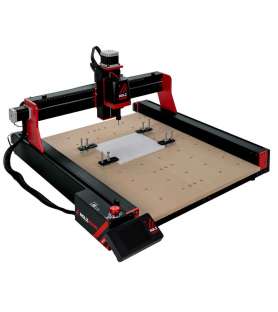
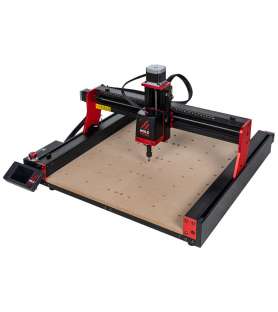
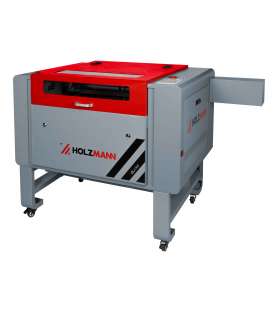
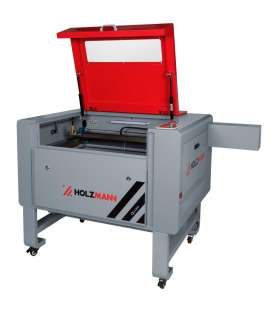
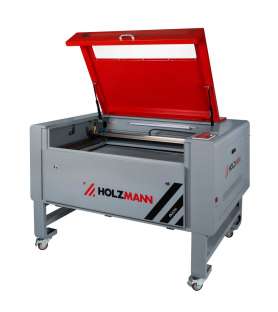
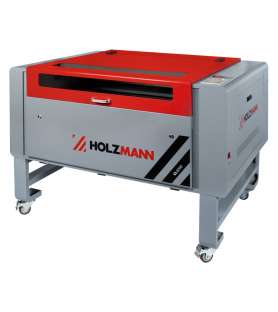
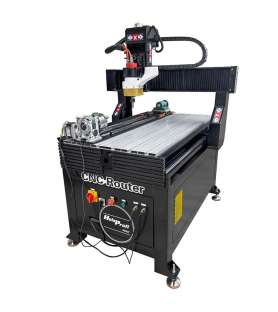
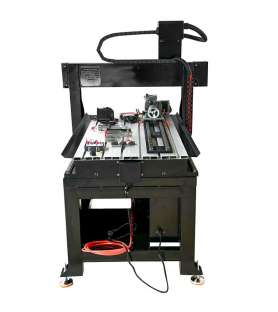
CNC (Command Numerical Control) machines have become essential tools in industry, crafts, and prototyping. Thanks to their precision, versatility, and automation, they enable the production of complex parts with high repeatability, meeting even the most demanding requirements.
What is a CNC machine?
A CNC machine is a machine tool that uses a numerical control to perform machining operations. Unlike conventional milling machines, where the operator manually guides the tool, CNC machines operate from digital files programmed using CAD/CAM (Computer-Aided Design/Computer-Aided Manufacturing) software. These precise instructions allow for the production of mass-produced or custom parts with minute tolerances.
The advantages of CNC machines
- Exceptional precision : CNC machines can achieve precision levels down to the micrometer, ideal for technical or complex parts.
- Automation and time savings : Once programmed, the machine performs the work autonomously, reducing the need for human intervention. This optimizes productivity and reduces human error.
- Versatility : They can machine a wide variety of materials, such as metal, wood, plastic, or composites, making these machines indispensable for a variety of industries, from aerospace to cabinetmaking.
- Mass and custom production : Whether you need one-off prototypes or production runs, CNC machines adapt to all needs.
Common applications of CNC machines
CNC machines are used for :
- Machining mechanical parts in industry.
- Creating molds for plastic injection molding.
- Engraving and cutting wood or composite materials.
- Manufacture of artistic objects or jewelry.
Conclusion
CNC machines represent a major technological advancement in precision machining. Their ability to produce complex parts with consistent quality makes them an essential choice for professionals looking to optimize their production. If you are looking for a high-performance and adaptable solution, investing in a CNC machine is a strategic decision to meet modern technical challenges.