Bernardo Mill Drill Spare Parts – Maintenance and Repairs
Discover our selection of spare parts for Bernardo milling drilling machines, designed for maintaining, troubleshooting and repairing your metalworking equipment.
Bernardo mill drills are used in engineering workshops, maintenance departments, metal fabrication facilities and model engineering workshops for a wide range of machining operations, including drilling, milling, slotting, facing, boring and, depending on the equipment, tapping.
These versatile machines make it possible to machine different metal components accurately, provided that suitable cutting tools are used and the mechanical assemblies are correctly adjusted.
Over time, certain parts may become worn or damaged due to vibrations, cutting forces and repeated operation.
A loose drive belt, damaged gear, faulty switch or excessive play in the slideways can affect the machine's performance and machining accuracy.
At Probois Machinoutils, we offer a selection of mechanical and electrical spare parts for Bernardo mill drills, depending on the machine model and manufacturer availability.
Our aim is to help you maintain and repair your equipment while extending its service life.
What Is a Bernardo Mill Drill Used For?
A metal milling drilling machine, commonly known as a mill drill, combines drilling and milling functions in one machine.
It can be used for various machining operations, including:
-
Drilling holes of different diameters.
-
End milling.
-
Face milling.
-
Cutting slots and recesses.
-
Boring operations.
-
Chamfering.
-
Tapping, when the machine is equipped for this operation.
Depending on the model, a Bernardo mill drill may feature a mechanical transmission, electronic variable speed control, an X-Y cross table or a tilting milling head.
Machining accuracy depends largely on the condition of the spindle, bearings, slideways and table movement mechanisms.
What Spare Parts Are Available for Bernardo Mill Drills?
Bernardo mill drill replacement parts may be required for several mechanical and electrical assemblies.
Depending on the model, available manufacturer references may include:
-
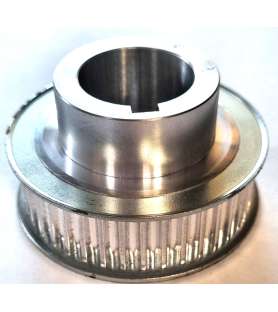
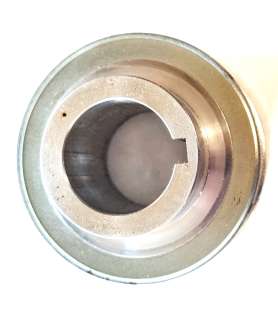
Drive belts and pulleys.
-
Gears and pinions.
-
Spindles and spindle components.
-
Bearings and bearing housings.
-
Electric motors.
-
Speed controllers and electronic components.
-
Switches and control buttons.
-
Handles, levers and handwheels.
-
Feed screws and nuts.
-
Gib strips and slideway components.
-
Springs and spindle feed mechanisms.
-
Guards and safety devices.
-
Screws and fixing components.
The availability of these parts depends on the manufacturer's references and the different machine versions.
Not all spare parts are compatible with every Bernardo mill drill.
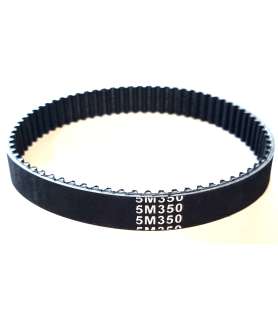
Drive Belts for Bernardo Milling Drilling Machines
On certain machines, drive belts transfer power from the motor to the spindle.
They play an important role in maintaining consistent rotation and reliable machine operation.
A worn drive belt may cause several symptoms:
-
Slipping during machining.
-
Loss of power under load.
-
Unusual operating noises.
-
Vibrations.
-
Difficulty maintaining a consistent spindle speed.
-
Visible cracks or deterioration.
Before replacing a drive belt, it is important to check its tension and inspect the condition of the pulleys.
An excessively tight belt can place unnecessary stress on the bearings, while an insufficiently tensioned belt may slip.
The belt profile, length and dimensions must match the specifications of the original component.
Gears and Pinions for Bernardo Milling Machines
Certain Bernardo milling drilling machines use gears to transmit movement or select different spindle speed ranges.
These components can be subjected to considerable forces during drilling and milling operations.
A damaged gear may cause:
-
Knocking or rattling noises.
-
Irregular power transmission.
-
Vibrations.
-
Difficulty selecting a speed range.
-
Loss of spindle drive.
When a gear has broken teeth or shows significant wear, the underlying cause should be investigated before replacing it.
Tool jamming, excessive cutting loads or incorrect operation can damage the transmission system.
The number of teeth, dimensions, bore and mounting arrangement must match the original part.
Spindles and Spindle Components for Bernardo Mill Drills
The milling spindle is one of the most important components of a metal milling drilling machine.
It provides rotation and securely holds the cutting tool.
Depending on the Bernardo model, the spindle may use Morse tapers or other tool-holding taper systems specified by the manufacturer.
A damaged or worn spindle may cause:
-
Excessive runout.
-
Vibrations during machining.
-
Poor surface finish.
-
Reduced machining accuracy.
-
Unusual mechanical noises.
Before considering spindle replacement, the bearings, tool clamping components and tool holder should be inspected.
An incorrectly secured milling cutter or damaged taper can also cause machining defects.
Spindle Bearings and Bearing Housings
Spindle bearings ensure smooth rotation while supporting the forces generated during machining.
On a mill drill, they may be subjected to significant radial and axial loads.
Worn bearings can cause overheating, rotational noise, vibrations or excessive play.
However, similar symptoms may also result from incorrect adjustment or another mechanical fault.
Replacing spindle bearings requires particular care.
The bearing type, dimensions, mounting method and, where applicable, preload must comply with the manufacturer's specifications.
Incorrect installation can reduce machining accuracy or lead to premature bearing failure.
Electric Motors for Bernardo Mill Drills
The Bernardo mill drill motor provides the power required for drilling and milling operations.
Depending on the machine, different motor technologies may be used, including electronically controlled DC motors and other electric motor systems.
Motor problems may cause:
-
Failure to start.
-
Reduced cutting power.
-
Irregular operation.
-
Excessive overheating.
-
Unexpected shutdowns.
-
Unusual noises.
These symptoms do not necessarily mean that the motor itself is defective.
Mechanical overload, transmission problems, unsuitable electrical supply or a faulty speed controller may also be responsible.
Before ordering a replacement motor, it is essential to check the exact reference, power rating, voltage and specifications of the original component.
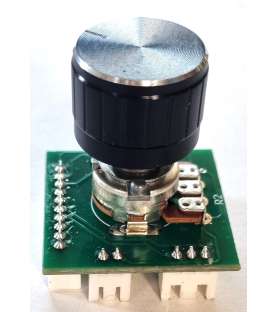
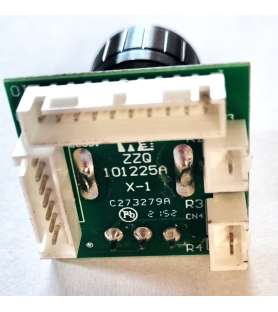
Electronic Speed Controllers for Bernardo Mill Drills
Many variable speed Bernardo mill drills use an electronic control system to adjust spindle speed.
This makes it easier to select suitable cutting conditions according to the tool diameter and the material being machined.
A faulty speed controller may cause:
-
No spindle rotation.
-
Unstable spindle speed.
-
Inability to adjust the speed.
-
Unexpected stops during machining.
-
Irregular motor operation.
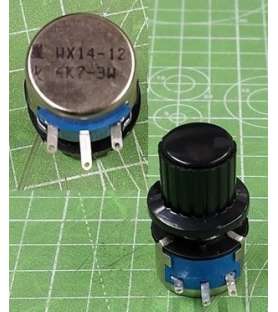
However, speed control problems may also originate from a potentiometer, sensor, wiring connection or the motor itself.
Electronic control boards and speed controllers are not universal components.
The exact part reference and compatibility with the machine version must always be checked.
Switches and Control Buttons for Bernardo Milling Machines
Switches for Bernardo mill drills control machine starting, stopping and, depending on the model, other operating functions.
Some machines also feature emergency stop buttons, selectors and safety devices.
A faulty switch may prevent the machine from starting or cause intermittent operation.
Before replacing a switch, check:
-
The manufacturer's part reference.
-
Electrical ratings.
-
Number and type of contacts.
-
Wiring diagram.
-
Compatibility with the machine.
Two switches that look identical may have different electrical specifications.
All electrical work must be carried out by a suitably qualified person with the machine disconnected from the power supply.
Handwheels, Cranks and Handles for Bernardo Mill Drills
Bernardo milling machine handwheels and handles are used to move the cross table, adjust the head height and operate various mechanisms.
These components are frequently used during machining operations.
Over time, a handle may break, a handwheel may develop play or a crank may become difficult to operate.
Replacing a worn component can help restore smoother movement and more comfortable machine operation.
Before ordering, check the dimensions, bore, mounting arrangement and position number shown in the exploded parts diagram.
Feed Screws and Nuts for Cross Tables
The cross table of a mill drill allows accurate positioning of the workpiece along the longitudinal and transverse axes.
Depending on the machine design, movement may be controlled by feed screws and nuts.
With regular use, these components may develop wear or mechanical play.
Excessive backlash can cause:
-
Reduced positioning accuracy.
-
Difficulty achieving smooth table movement.
-
Delayed movement when reversing direction.
-
Less reliable adjustments.
It is important to distinguish normal screw-and-nut backlash from excessive wear.
Before replacing any component, the adjustments, mounting points and condition of the mechanical parts should be inspected.
Slideways, Gib Strips and Dovetail Guides
Certain Bernardo mill drills are equipped with adjustable dovetail slideways on several axes.
These guides help maintain accurate table and head movement.
Gib strips allow the clearance between sliding surfaces to be adjusted, depending on the machine design.
Incorrect adjustment can cause two opposite problems:
-
Excessive play, resulting in vibrations and reduced accuracy.
-
Excessive tightening, making movement difficult.
Before replacing a slideway component, it is advisable to clean the surfaces, check lubrication and carry out the adjustments recommended by the manufacturer.
Regular maintenance helps limit wear on the sliding surfaces.
Quill Feed and Spindle Adjustment Mechanisms
On a milling drilling machine, the spindle quill may be operated using a feed lever, rack-and-pinion mechanism or fine feed adjustment system.
These mechanisms allow the cutting tool to be moved accurately during drilling and milling operations.
Depending on the model, they may include:
-
Operating levers.
-
Return springs.
-
Pinions.
-
Shafts.
-
Adjustment screws.
-
Locking devices.
A faulty quill feed mechanism may cause irregular movement or difficulty maintaining the required position.
The exact defective component must be identified before ordering a replacement.
Why Is My Bernardo Mill Drill Losing Power?
A Bernardo mill drill that loses power does not necessarily have a faulty motor.
Several factors can cause reduced performance:
-
Blunt milling cutters or drill bits.
-
Incorrect spindle speed.
-
Excessive feed rate.
-
Excessive depth of cut.
-
Loose or worn drive belt.
-
Damaged transmission gear.
-
Bearing with abnormal mechanical resistance.
-
Insufficient electrical supply.
-
Faulty electronic speed controller.
-
Motor problems.
Cutting parameters must be adapted to the material, tool diameter and available machine power.
Repeated overload can damage the transmission or electrical components.
Why Is My Bernardo Milling Machine Vibrating During Machining?
Vibrations in a milling drilling machine can have several causes.
An incorrectly secured milling cutter, unsuitable tool holder or excessive depth of cut can generate significant vibration.
Play in the slideways, insufficient workpiece clamping or poor machine mounting may also be responsible.
The main points to inspect include:
Before replacing a component, it is important to identify the actual cause of the vibrations.
Why Won't My Bernardo Mill Drill Start?
A Bernardo mill drill that will not start may have an electrical or mechanical fault.
Possible causes include:
-
Electrical supply problems.
-
Faulty power switch.
-
Engaged emergency stop.
-
Safety interlock not activated.
-
Defective electronic speed controller.
-
Motor problems.
-
Blocked mechanical components.
Troubleshooting should be carried out methodically without bypassing safety devices.
Electrical repairs should only be performed by appropriately qualified personnel.
How to Identify the Correct Bernardo Mill Drill Spare Part
When ordering a spare part for a Bernardo milling drilling machine, identifying the exact machine model is essential.
We recommend checking:
-
The Bernardo brand.
-
Complete machine model.
-
Serial number.
-
Manufacturing year, when available.
-
Electrical supply voltage.
-
Original component reference.
-
Part position number in the exploded diagram.
-
Component dimensions, when necessary.
These details are particularly important for electrical components and transmission parts.
Two machines with similar model names may use different replacement parts.
Bernardo Mill Drill Exploded Parts Diagrams
Bernardo exploded parts diagrams help identify the mechanical and electrical components of a machine.
Each part is generally associated with a position number.
These documents make it easier to locate drive belts, gears, bearings, handles, switches and other specific components.
It is important to use the documentation corresponding to the exact version of your milling drilling machine.
Some models may have undergone technical modifications during production.
Regular Maintenance of a Bernardo Mill Drill
Regular maintenance helps preserve machining accuracy and machine performance.
Recommended checks include:
-
Removing metal chips after use.
-
Inspecting cutting tools.
-
Checking tool holder clamping.
-
Monitoring unusual noises and vibrations.
-
Inspecting drive belts where fitted.
-
Cleaning and lubricating slideways according to the manual.
-
Checking table movement mechanisms.
-
Verifying the operation of safety devices.
-
Following the manufacturer's maintenance instructions.
Metal chips should be removed using suitable tools rather than bare hands, as their sharp edges can cause injury.
Before carrying out maintenance, the machine must be switched off and disconnected from its electrical supply.
Why Repair a Bernardo Milling Drilling Machine?
A mill drill represents an important investment for an engineering or metalworking workshop.
When a fault is caused by a drive belt, switch, gear or another replaceable component, replacing the entire machine is not always necessary.
A suitable repair can extend the machine's service life and allow the workshop to continue using equipment that is already installed and adjusted.
Replacing worn components also helps maintain machining accuracy and reduce the risk of further mechanical damage.
Probois Machinoutils – Bernardo Mill Drill Spare Parts
At Probois Machinoutils, we offer a selection of spare parts for Bernardo metal milling drilling machines to help with the maintenance and repair of your metalworking equipment.
Whether you need a drive belt, gear, handle, switch, electrical component or specific mechanical replacement part, explore the available references in our catalogue.
Our selection evolves according to manufacturer availability and the replacement parts offered for different machine models.
IMPORTANT BEFORE ORDERING: Always check the compatibility of each spare part with your Bernardo mill drill. Components may vary depending on the model, electrical supply voltage, motor configuration and manufacturing year. Consult the exploded parts diagram corresponding to your machine and verify the part reference or position number before placing an order.