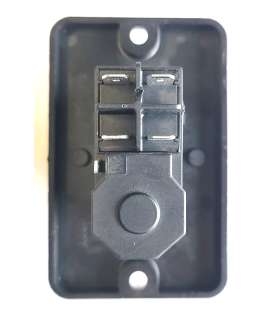
Spare parts for Bernardo sharpening machines
This category covers spare parts for Bernardo sharpening machines, including drill grinders such as DG13M/DG13MD, sawblade sharpeners such as SBS700, wet grinders including NTS200 and NTS250 versions, and other specialist sharpening equipment. These machines use very different mechanisms, so parts must always be matched to the exact model.
The range changes with manufacturer availability. It is intentionally presented as an evolving repair category rather than a fixed inventory, helping users keep a sound machine in service.
Different Bernardo sharpening machine designs
An NTS wet grinder does not work like a DG drill grinder or an SBS sawblade sharpener. NTS machines use a slow water-cooled stone and honing wheel; DG machines use dedicated wheels and precision collet systems; SBS machines use blade supports, feed and angle adjustments.
A component with a similar purpose is therefore not automatically interchangeable. Dimensions, bore, abrasive type, shaft, fixing and permissible speed must match the machine.
Grinding wheels, discs and abrasives
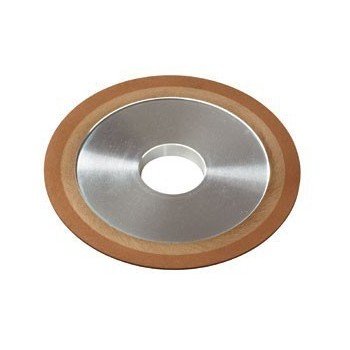
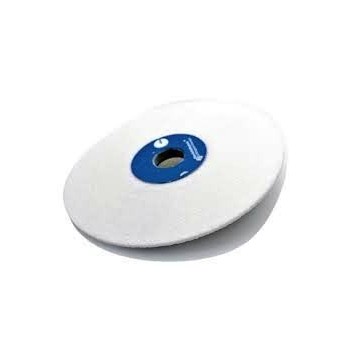
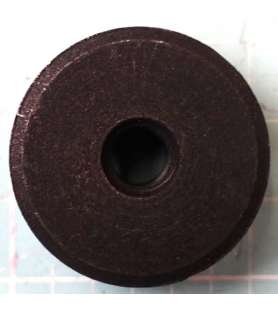
Depending on the application Bernardo uses corundum, CBN and diamond grinding wheels. HSS drill grinding commonly uses CBN while suitable diamond wheels are used for carbide applications; wet grinders use model-specific stones and leather honing wheels.
Before replacement check diameter, bore, thickness, abrasive specification and speed suitability. Poor sharpening can also result from incorrect setup or a loose support, not only from a worn wheel.
Supports, guides and adjustment devices
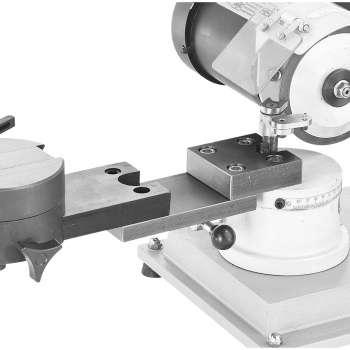
Accuracy depends on guides and work holding. Bernardo machines may use universal supports, tool holders, stops, clamps and tilting mechanisms. Wet grinders use supports to establish angle; sawblade sharpeners need repeatable tooth positioning.
If angles become inconsistent, inspect clamps, pivots, screws, bushes and guide surfaces before blaming the abrasive.
Collets and holders for drill grinders
DG drill grinders use precise holding systems. DG13M and DG13MD notably use ER20 collets and a matching collet holder to centre drills before grinding.
A dirty, damaged or incorrectly sized collet can cause poor centring and incorrect geometry. Clean contact surfaces and verify drill position before replacing the wheel or motor.
Motor, drive and bearings
Motor speed and design vary greatly between machines. Drill grinders run at several thousand rpm, while wet grinders deliberately run slowly to reduce heat at the cutting edge.
Noise, vibration or speed loss does not automatically mean motor failure. Check wheel mounting, bearings, free rotation and drive parts first.
Switches and electrical components
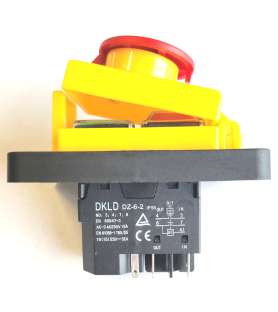
Switches, leads, controls and electrical components can wear. Some models include variable speed or specific safety functions, so electrical parts must be identified by specification as well as appearance.
For a no-start fault check supply, plug, cable, switch and mechanical freedom first. Photograph labels and wiring before dismantling.
Water troughs and honing wheels for NTS machines
Bernardo NTS wet grinders use a water trough to keep the stone wet and limit overheating. They can also use leather honing wheels, universal supports and jigs for knives, chisels, gouges and other tools.
A cracked trough, worn shaft or damaged support can impair use even when the motor is healthy. Also inspect stone and honing-wheel mounting.
Parts for sawblade sharpeners
On machines such as SBS700, accuracy depends on the sawblade holder, feed system, angle settings and motor/grinding-wheel assembly. The blade must return to a repeatable position for each tooth.
Uneven sharpening may come from setup, play, a displaced stop or the wrong wheel. Check adjustments before replacing major components.
Diagnose before ordering a part
Poor sharpening may come from a worn wheel, wrong angle, loose holder, poorly positioned collet, play in a shaft or incorrect speed. Vibration may come from wheel imbalance as well as bearings.
Check the tool and its mounting, abrasive, guides and clamps, mechanical rotation and finally electrical components. This helps replace only the faulty part.
Probois Machinoutils – SEO Affûteuses Bernardo Page 5
Identify the correct part from the manual and exploded diagram
The manual and exploded diagram are the best basis for identifying Bernardo parts. Probois provides documentation for several machines including DG13M/DG13MD, HMS600, SBS700, NTS200 and NTS250 variants.
If the part is not listed, send exact model, serial number, manufacturing date if available, exploded-view item number and clear photos; for electrical parts include labels and connections.
IMPORTANT: check compatibility before purchase
IMPORTANT: BEFORE PURCHASING, carefully check the compatible-machine list on each product page.
Production changes can mean different components on machines with the same model name. If in doubt send the exact model, month/year of manufacture and serial number.
Maintain and repair a Bernardo sharpener
Keep sharpening machines clean and correctly adjusted. Remove grinding dust, clean guides and clamping surfaces, monitor wheel condition and check guards. On wet grinders clean the water trough as required.
Probois Machinoutils offers an evolving range of Bernardo sharpening-machine spare parts. Targeted repair can extend machine life while preserving sharpening accuracy.