
Special Products
Special Products


Spare parts for Bernardo sanders

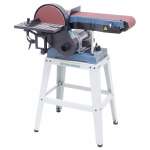
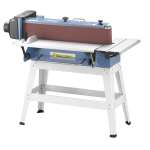
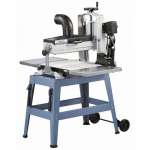
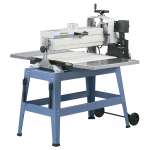
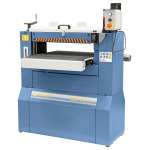

Bernardo Sander Spare Parts – Maintenance, Troubleshooting and Repairs
Discover our selection of spare parts for Bernardo sanders, designed for the maintenance, troubleshooting and repair of woodworking and metalworking sanding machines.
Bernardo sanding machines are used in woodworking shops, joinery workshops, furniture manufacturing facilities and metalworking businesses for sanding, thickness calibration, deburring and finishing operations.
Over time and with repeated use, certain mechanical and electrical components may wear out, including drive belts, sanding rollers, bearings, switches, electric motors, tensioning mechanisms and tracking components.
At Probois Machinoutils, we offer an evolving selection of replacement parts for Bernardo sanding machines, helping you extend the service life of your equipment and maintain reliable sanding performance.
Available parts depend on the exact machine model and manufacturer availability.
What Spare Parts Are Available for Bernardo Sanders?
A stationary sander consists of several mechanical and electrical assemblies responsible for moving the abrasive, driving the sanding mechanism and positioning the workpiece.
Depending on the model, replacement parts may include:
-
Drive belts and transmission components.
-
Drive rollers and idler rollers.
-
Ball bearings and bearing housings.
-
Electric motors.
-
Switches and control components.
-
Capacitors for certain single-phase motors.
-
Sanding belt tensioning mechanisms.
-
Belt tracking and guiding systems.
-
Sanding drums and cylinders.
-
Conveyor components for drum sanding machines.
-
Worktables, guides and supports.
-
Handles, levers and adjustment handwheels.
-
Protective covers and safety components.
-
Screws and fastening elements.
These parts are not universal. Their shape, dimensions and technical specifications may vary depending on the Bernardo sander model and manufacturing year.
Spare Parts for Bernardo BDSM230 Belt Sanders
The Bernardo BDSM230 belt sander has a dedicated spare parts category to help identify components suitable for this particular machine.
Depending on availability, replacement parts may include mechanical components, electrical parts and adjustment mechanisms.
A belt sander must maintain suitable abrasive belt tension and consistent belt movement to ensure effective sanding.
If the machine operates abnormally, it is important to inspect the drive components, bearings and tensioning mechanisms before replacing any part.
When ordering, consult the Bernardo BDSM230 exploded parts diagram and identify the exact position number of the required component.
Spare Parts for Bernardo HV70 Belt Sanders
The Bernardo HV70 sander also has a dedicated range of spare parts.
Components requiring replacement depend on the machine's condition and operating history.
Common problems associated with belt sanders may include:
-
An abrasive belt that moves sideways.
-
Excessive play in a roller.
-
Noisy bearings.
-
Slipping transmission components.
-
A damaged belt tensioning mechanism.
-
An electrical fault preventing the machine from starting.
Before replacing a component, check the overall condition of the belt guiding and drive systems.
Always verify the exact machine reference to avoid compatibility errors.
Spare Parts for Bernardo ZSM405 Drum Sanders
The Bernardo ZSM405 drum sander is designed for sanding and thickness calibration of wooden workpieces.
This type of machine uses a sanding drum and a workpiece feed system to produce a consistent surface finish.
Depending on the machine's construction, several components may require maintenance or replacement:
-
Sanding drum and associated components.
-
Bearings.
-
Drive belts.
-
Feed conveyor components.
-
Height adjustment mechanisms.
-
Motors and electrical components.
-
Handles and operating controls.
Wear or incorrect adjustment of these components may cause uneven sanding, vibrations or difficulties feeding the workpiece.
To identify a replacement part for the Bernardo ZSM405, consult the exploded parts diagram corresponding to the exact machine.
Spare Parts for Bernardo ZSM560 Drum Sanders
The Bernardo ZSM560 drum sander uses several mechanisms to ensure effective sanding and consistent workpiece feeding.
A transmission or adjustment problem can affect the quality and accuracy of thickness calibration.
The main components to inspect in the event of a malfunction include:
-
The sanding drum.
-
Bearings and bearing housings.
-
Drive belts and transmission components.
-
The feed conveyor.
-
Height adjustment mechanisms.
-
Motors and electrical controls.
Irregular workpiece feeding may be caused by a conveyor problem, a drive system fault or incorrect adjustment.
Before ordering a replacement part for the Bernardo ZSM560, check its position number in the machine's spare parts diagram.
Spare Parts for Bernardo WBS640PRO Drum Sanders
The Bernardo WBS640PRO drum sander features mechanical components specific to its design.
On this type of machine, sanding quality depends on the condition of the abrasive components, consistent feeding and correct operation of the adjustment mechanisms.
Maintenance may involve transmission components, bearings, feed systems, controls and mechanical adjustment parts.
Possible signs of a malfunction include:
-
Variations in workpiece thickness.
-
Uneven sanding marks.
-
Vibrations.
-
Mechanical noises.
-
Difficult or irregular feeding.
-
Abnormal overheating.
It is important to identify the actual cause before replacing a component.
Parts for the Bernardo WBS640PRO must be selected using the exact machine reference and its technical documentation.
Spare Parts for Bernardo Portable Metal Sanders
Bernardo portable metal sanders are designed for different metal sanding, finishing and deburring operations.
Depending on the model, these machines may contain specific rollers, tensioning mechanisms, drive components, electrical controls and protective parts.
Irregular operation may result from mechanical wear, incorrect belt tracking or an electrical problem.
Before replacing a component, check the exact model reference, technical specifications and the required spare part number.
Drive Belts for Bernardo Sanders
Drive belts for Bernardo sanders transmit power from the motor to the various drive mechanisms.
It is important to distinguish a drive belt, which is a mechanical transmission component, from an abrasive sanding belt, which is used directly to sand the workpiece.
A worn drive belt may cause:
-
Loss of power.
-
Slipping under load.
-
Vibrations.
-
Unusual noises.
-
Irregular drive operation.
-
Complete loss of transmission.
Before replacing a drive belt, check its profile, length, width and mounting arrangement.
Pulley alignment and belt tension should also be inspected.
An excessively tight belt may accelerate bearing wear, while an insufficiently tensioned belt may slip.
Drive Rollers and Idler Rollers
Rollers for Bernardo sanders help move and guide the abrasive belt on machines equipped with this system.
Depending on their function, they may provide belt drive, direction changes or tensioning.
A worn, damaged or misaligned roller may cause:
-
Abrasive belt tracking problems.
-
Vibrations.
-
Uneven abrasive wear.
-
Rotation noises.
-
Belt tensioning difficulties.
-
Poor belt drive.
It is also important to inspect the bearings and shafts before replacing an entire roller assembly.
The dimensions and mounting system must match the machine specifications.
Sanding Drums for Bernardo Drum Sanders
On Bernardo drum sanding machines, the sanding drum is an essential part of the sanding mechanism.
It allows the abrasive to work consistently across the wooden surface.
A drum with a rotation problem, damaged surface or faulty mounting may affect the quality of the finish.
Possible symptoms include:
-
Repeated marks on the wood.
-
Uneven surface finishing.
-
Vibrations.
-
Inconsistent sanding.
-
Unusual mechanical noises.
Before replacing a sanding drum, check the abrasive condition, its mounting, the bearings and the machine adjustments.
Bearings and Bearing Housings for Bernardo Sanders
Bearings for Bernardo sanders support the rotation of shafts, rollers and sanding drums while reducing friction.
Over time, they may wear due to mechanical loads, vibrations and dust exposure.
A defective bearing may cause:
-
Rumbling or grinding noises.
-
Abnormal overheating.
-
Vibrations.
-
Excessive play.
-
Difficult rotation.
-
Reduced sanding quality.
Before replacing a bearing, its exact type and dimensions must be identified.
Removal and installation must follow the manufacturer's technical specifications.
Electric Motors for Bernardo Sanders
The electric motor of a Bernardo sander drives the sanding mechanism.
On certain drum sanders, separate motors may be used for the sanding drum and workpiece feed system, depending on the machine configuration.
Possible symptoms of a motor problem include:
-
Difficulty starting.
-
A motor that hums without rotating.
-
Reduced power.
-
Overheating.
-
Unexpected shutdowns.
-
Unusual smells.
However, these symptoms do not necessarily indicate a defective motor.
A seized bearing, an excessively tight transmission belt, sanding overload or an electrical supply problem may produce similar symptoms.
Before ordering a motor, check its power rating, voltage, rotational speed, supply type and mounting dimensions.
Capacitors for Single-Phase Bernardo Sanders
Some Bernardo sanders equipped with single-phase motors use a starting or running capacitor, depending on their electrical design.
A defective capacitor may cause starting difficulties or a humming motor.
However, a proper diagnosis is essential because these symptoms may also result from mechanical resistance or another electrical fault.
When replacing a capacitor, the following specifications must be respected:
-
Capacitance in microfarads (µF).
-
Rated voltage.
-
Capacitor type.
-
Electrical connection characteristics.
A capacitor must never be selected solely on the basis of its appearance. Electrical work must be carried out by a qualified person, with the machine disconnected from the power supply and electrical components made safe.
Switches and Electrical Controls for Bernardo Sanders
Switches for Bernardo sanders control machine starting and stopping.
Depending on the model, the electrical system may also include control buttons, contactors, emergency stop switches and safety devices.
A faulty switch may prevent the machine from starting or cause intermittent operation.
Before replacing an electrical component, check its reference, electrical ratings and wiring diagram.
Safety devices must never be bypassed to operate a sanding machine.
Sanding Belt Tensioning and Tracking Mechanisms
On Bernardo belt sanders, the tensioning system keeps the abrasive belt correctly positioned during operation.
The tracking mechanism adjusts the belt's path to prevent sideways movement.
Incorrect tension or tracking may cause:
-
An abrasive belt that runs off-centre.
-
Premature wear along the belt edges.
-
Friction against protective covers.
-
Vibrations.
-
Poor sanding results.
Before replacing a component, inspect the abrasive belt, its installation, the rollers and the manufacturer's adjustment settings.
Conveyor Belts and Feed Systems for Bernardo Drum Sanders
Bernardo drum sanders may be equipped with a conveyor system that moves wooden workpieces steadily beneath the sanding drum.
Consistent feed speed is essential for uniform thickness calibration.
A conveyor problem may cause:
-
Irregular workpiece feeding.
-
Sanding marks.
-
Workpiece slipping.
-
Feed difficulties.
-
Inconsistent finishing results.
Depending on the model, components to inspect may include the conveyor belt, rollers, transmission, adjustments and feed motor.
It is important to distinguish a mechanical fault from incorrect adjustment or an accumulation of dust and debris.
Why Is My Bernardo Sander Losing Power?
A Bernardo sander that loses power does not necessarily have a defective motor.
Several factors may explain reduced performance:
-
Worn or clogged abrasive material.
-
Excessive sanding pressure.
-
Excessive material removal.
-
Incorrect feed speed.
-
Slipping drive belt.
-
Bearing with abnormal mechanical resistance.
-
Drum or roller that is difficult to rotate.
-
Insufficient electrical supply.
-
Motor or electrical component fault.
On a drum sander, attempting to remove too much material in a single pass can cause significant overload.
It is preferable to adapt the depth of cut, feed speed and abrasive grit to the work being performed.
Why Does My Bernardo Sanding Belt Move Sideways?
A sanding belt that moves sideways on a Bernardo sander may have several possible causes.
The main factors to investigate include:
-
Incorrect abrasive belt installation.
-
Incorrect belt tension.
-
Improper tracking adjustment.
-
Worn or misaligned rollers.
-
Bearing play.
-
A damaged or distorted abrasive belt.
These elements should be checked before concluding that the belt or a mechanical component is defective.
If the belt rubs against a protective cover or risks coming off its rollers, the machine must be stopped until the problem has been corrected.
Why Does My Bernardo Drum Sander Leave Marks on Wood?
Sanding marks left by a Bernardo drum sander may result from several factors:
-
Clogged sanding abrasive.
-
Incorrect abrasive grit.
-
Feed speed that is too slow.
-
Excessive sanding depth.
-
Incorrect drum adjustment.
-
Vibrations.
-
Conveyor drive problems.
-
Inadequate dust extraction.
The accumulation of resin and dust on the abrasive may also cause overheating and visible marks on the wood.
Before replacing a component, check the abrasive condition, sanding settings and dust extraction performance.
Why Is My Bernardo Sander Vibrating Excessively?
Excessive vibrations on a Bernardo sander may result from a mechanical problem or incorrect adjustment.
Possible causes include:
-
An unbalanced or damaged roller.
-
Worn bearings.
-
A deteriorated drive belt.
-
Misaligned pulleys.
-
A damaged sanding drum.
-
Loose mounting components.
-
Incorrectly installed abrasive material.
It is important to inspect transmission components and fasteners before continuing operation.
A machine showing significant vibrations should be stopped to prevent further damage.
Why Won't My Bernardo Sander Start?
A Bernardo sander that will not start may have an electrical or mechanical fault.
Possible causes include:
-
No electrical supply.
-
Faulty switch.
-
Engaged emergency stop.
-
Safety device not activated.
-
Faulty capacitor on certain single-phase models.
-
Damaged motor.
-
Blocked transmission mechanism.
Troubleshooting should be performed methodically without bypassing machine guards or safety devices.
Electrical inspections and repairs must be entrusted to qualified personnel.
How to Identify the Correct Bernardo Sander Spare Part
When ordering a spare part for a Bernardo sander, it is essential to know the exact machine reference.
We recommend checking:
-
The Bernardo brand.
-
Complete machine model: BDSM230, HV70, ZSM405, ZSM560, WBS640PRO or another reference.
-
Serial number.
-
Manufacturing year, if known.
-
Electrical supply voltage.
-
Original spare part reference.
-
Position number on the exploded parts diagram.
-
Component dimensions, when necessary.
This information helps prevent compatibility errors, particularly for motors, drive belts, bearings and transmission components.
Using Bernardo Sander Exploded Parts Diagrams
Bernardo sander exploded parts diagrams help identify the various mechanical and electrical components of a machine.
Each component is generally associated with a position number.
These documents make it easier to locate specific parts such as rollers, belts, bearings, motors, handles and adjustment mechanisms.
It is important to use the documentation corresponding to the exact version of your sanding machine.
Some component references may change during the production of the same model.
How to Maintain a Bernardo Sander
Regular maintenance helps preserve the performance and service life of your machine.
Recommended maintenance operations include:
-
Removing sanding dust and debris.
-
Inspecting abrasive belts and other sanding materials.
-
Checking rollers and guiding mechanisms.
-
Monitoring drive belt tension.
-
Checking for unusual noises and vibrations.
-
Inspecting bearings and transmission components.
-
Cleaning adjustment mechanisms.
-
Checking protective devices.
-
Verifying dust extraction performance.
Suitable dust extraction is particularly important to reduce dust accumulation inside mechanical assemblies and maintain good sanding quality.
Before any maintenance operation, the machine must be switched off and disconnected from its electrical supply.
Why Repair a Bernardo Sander Instead of Replacing It?
A stationary sander or drum sanding machine represents an important investment for a workshop.
When a malfunction is caused by a drive belt, bearing, switch, roller or another replaceable component, replacing the entire machine is not always necessary.
A suitable repair may help:
-
Extend the equipment's service life.
-
Keep using a machine already installed and adjusted.
-
Restore consistent operation.
-
Reduce the cost of complete replacement.
-
Limit unnecessary disposal of repairable equipment.
Replacing a worn component should also involve checking the surrounding parts to prevent the same problem from occurring again.
Probois Machinoutils – Bernardo Sander Spare Parts
At Probois Machinoutils, discover a selection of spare parts for Bernardo sanding machines, designed to simplify maintenance and repairs.
Our catalogue includes dedicated categories for Bernardo BDSM230 and HV70 sanders, Bernardo ZSM405, ZSM560 and WBS640PRO drum sanders, as well as Bernardo portable metal sanders.
Whether you need a drive belt, roller, bearing, motor, switch or a specific mechanical component, explore the available references in the category corresponding to your machine.
Our spare parts selection evolves according to the references offered and manufacturer availability.
IMPORTANT BEFORE ORDERING: Always check the compatibility of each spare part with your Bernardo sander. Components may vary depending on the model, electrical supply voltage, motor configuration and manufacturing year. Consult the exploded parts diagram for your machine and verify the part reference or position number before placing an order.