Spare parts for the Leman SRM100 portable metal band saw
This category is dedicated to spare parts for the Leman SRM100 portable metal band saw. This compact machine is designed for cutting metal in the workshop or on site. Its construction combines a manually lowered saw head, work-holding vice, bearing blade guides and electronic blade-speed control. These assemblies may require inspection, maintenance or replacement components during the working life of the saw.
Our range changes according to manufacturer production and availability, so the products currently displayed should not be treated as a permanent inventory. The reliable way to find a part is to use its function, exploded-diagram item number and the exact machine identification. Parts can be added or withdrawn as supply changes.
A compact manually operated metal-cutting band saw
The Leman SRM100 is a lightweight, compact metal-cutting band saw suitable for bench and site use. The saw head is lowered manually and uses a return spring. It pivots for straight or mitre cuts, while the vice secures tube, section or other metal workpieces during cutting. The operating handle incorporates the trigger switch and the machine also features a quick blade-release system.
This construction differs from larger horizontal metal band saws fitted with hydraulic downfeed. Diagnosis and spare-part selection must therefore remain specific to the SRM100. Leman SRM150 and SRM170 machines belong to separate spare-parts categories. A similar-looking component from another metal band saw must never be assumed compatible without checking.
Band saw blade guidance and tension
The blade must remain correctly tensioned and guided throughout the cut. The SRM100 uses blade guide bearings to support blade travel. Excessive play, seized bearings or significant wear can reduce blade stability. However, a wandering cut does not automatically mean the guides need replacing: blade condition, blade tension and correct installation should be checked first.
A blunt or damaged blade, or an unsuitable tooth pitch for the workpiece, can cause slow, rough or inaccurate cutting. Check that the blade follows its correct path and sits properly through the guides. After changing a blade or working on the tensioning system, run the machine briefly without cutting metal and observe blade tracking before resuming work.
Motor, carbon brushes and drive system
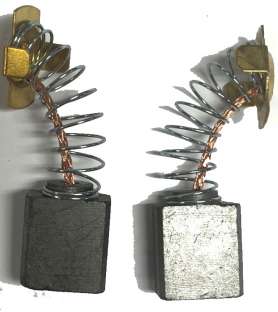
The SRM100 uses an electric motor and internal drive components to move the blade. Some motor components are normal wear parts. Leman supplies the machine with a spare set of carbon brushes, confirming that brush condition is one of the items that may need attention over time.
Heavily worn brushes may be associated with difficult starting, intermittent operation or loss of performance, although these symptoms can have other causes. Disconnect the saw before inspection and check accessible connections and possible mechanical resistance. Replacement brushes must match the motor fitted to the relevant machine version.
Electronic variable speed control
An important feature of the Leman SRM100 is its electronic variable speed control, which allows blade speed to be adjusted to the material being cut. The speed dial, controller and related electronic components should not be treated like ordinary mechanical parts. Unstable speed or loss of adjustment requires diagnosis before a controller is ordered.
Check the power supply, visible connections, motor condition and any abnormal mechanical drag first. A speed drop under load can also result from a worn blade or unsuitable cutting conditions. Internal electrical testing must be carried out with appropriate competence and the machine safely isolated from the mains. Do not replace an electronic board solely on the basis of a general symptom.
Vice, saw head and mechanical adjustment parts
The vice holds the workpiece during cutting and directly affects accuracy and safety. A poorly clamped workpiece can move, vibrate or trap the blade. Periodically inspect clamping surfaces, screws, pivots, handles and related mechanisms. The saw-head movement and return spring should also operate smoothly without abnormal play or binding.
Handles, stops and smaller mechanical components may be exposed to knocks when the portable saw is moved between workshop and site. Before replacing a broken part, check whether a neighbouring component has bent or caused the failure. A quick visual inspection after transport or impact can identify damage before the machine is used again.
Diagnose inaccurate cutting before ordering parts
A cut that no longer runs square can have several causes: worn blade, unsuitable tooth pitch, incorrect tension, worn guidance, poor work holding or excessive manual feed pressure. It is therefore important to identify the cause before replacing components. Start with the blade and workpiece clamping, then inspect the guides and adjustment mechanisms.
Likewise, new noise or vibration does not automatically indicate a motor fault. Inspect the blade, blade path, guide bearings and accessible mechanical parts. Targeted diagnosis is more economical and avoids replacing serviceable components. Any work requiring the machine to be opened must be carried out with the saw disconnected and in accordance with the operating instructions.
Identify the correct part from the exploded diagram
Leman provides a spare-parts reference system for the SRM100 using item numbers on the exploded parts diagram. This is the safest method of identifying a component. Read the exact machine details from the rating plate and locate the required part in the corresponding diagram. The item number helps distinguish components that may look similar.
Probois Machinoutils – SEO Leman SRM100 Page 5
Keep the removed part until the replacement arrives whenever possible. Clear photographs of the component, mounting points and machine rating plate can also help identification. For electrical parts, photograph the existing connections before removal without altering the wiring. Never rely only on colour, general shape or an approximate measurement.
IMPORTANT: check compatibility before purchase
IMPORTANT: BEFORE PURCHASING, carefully check the list of compatible machines shown on each product page.
For some spare parts, the machine model alone is not sufficient to guarantee compatibility. Production changes can result in different components being fitted to machines sold under the same model designation.
If you are unsure, send us the exact model, month and year of manufacture, and serial number before ordering.
Maintain the SRM100 to extend its service life
Regularly remove metal swarf from the cutting area and accessible mechanisms. Monitor blade condition, guidance and tension, and check vice operation. Do not wait until a blade is completely blunt: poor cutting encourages excessive feed pressure and increases the load on the motor and blade-guiding system.
After a repair, first perform a no-load test and then a trial cut with the workpiece securely clamped. Check for abnormal noise, heat or vibration. Straightforward preventive maintenance can reveal wear before it damages another component.
Repair your Leman metal band saw with Probois Machinoutils
Probois Machinoutils maintains an evolving selection of replacement parts for the Leman SRM100 metal band saw. If the required part is not currently displayed, send us the exact model, rating-plate information, exploded-diagram item number when available and clear photographs of the component.
Repairing a metal band saw whose frame, vice and main assemblies remain in good condition can significantly extend its useful life. Correct fault diagnosis and accurate compatibility checking allow you to keep a compact machine suited to workshop and mobile use instead of replacing equipment that can still be repaired.