
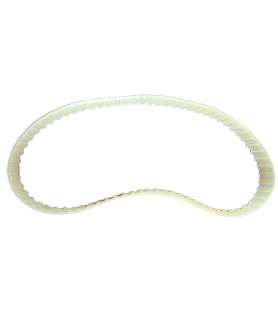



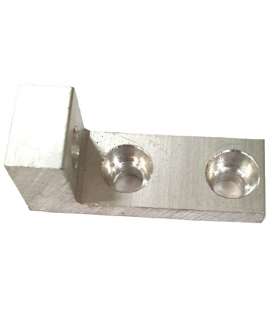
Tensioner for calibrating sander 400 mm Leman, Holzmann, Jean l'ébéniste
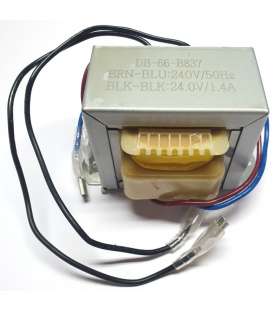
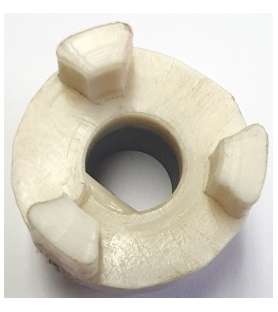
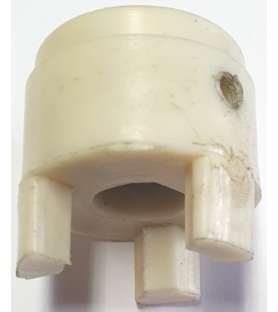
Drive pinion mark 35 for calibrating sander
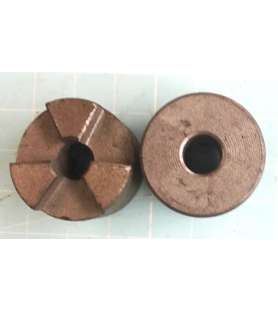
Drive pinion mark 101 for calibrating sander (1 piece)
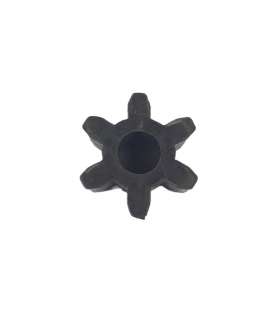
Rubber seal for pinion of mark 35 for calibrating sander
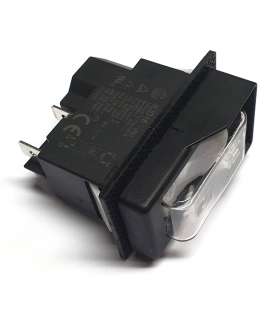

Conveyor belt mark 89 for calibrating sander in width 405 mm of different brands
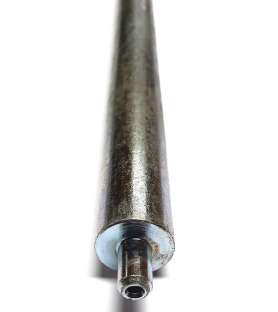
Exit roller mark 90 for 405 mm width calibrating sander
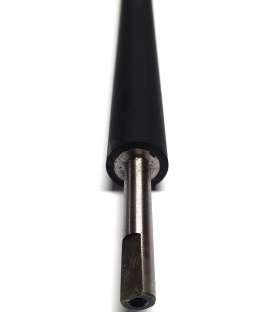
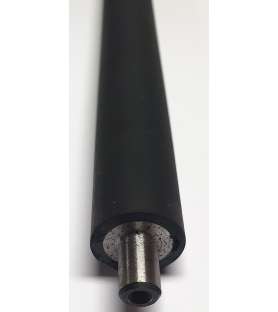
Input roller mark 97 for 405 mm width calibrating sander
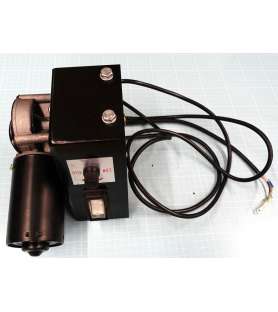
Complete electronic assembly with motor for advancing the carpet on a 400 mm calibrating sander
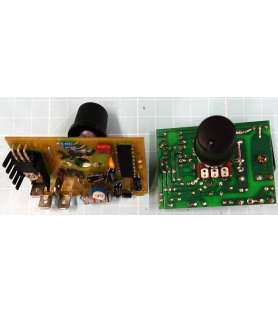
Speed control board part 117 for calibrating sander 400 and 560 mm
This category is dedicated to spare parts for Leman sanders and drum sanders, helping owners maintain, diagnose and repair woodworking machines instead of replacing an otherwise serviceable unit. The Leman PON range includes different machine layouts, from bench sanders to conveyor-fed drum sanders, so identifying the exact machine is the first step before selecting any replacement component.
The parts displayed in this section may change as manufacturing and supplier availability evolve. For that reason, this page is designed as a lasting guide rather than a fixed inventory. Always use the machine model, component function and exploded-view item number to identify what you need. A part that is not currently displayed may become available later, while discontinued items may disappear from the catalogue.
Leman sander models do not all use the same construction. The PON250 belongs to the bench-sander family and includes mechanical drive components between the motor and sanding assemblies. The PON400 and PON560 are associated with drum sanding and thickness-calibrating work, where the workpiece is carried beneath a rotating abrasive drum by a feed conveyor.
On this type of machine, sanding quality depends on both drum rotation and consistent feed. The conveyor belt, rollers, drive system and speed control are therefore important parts of the overall sanding process. The PON560 is also designed as a sanding/brushing drum machine, which makes exact model and production-version identification particularly important when ordering parts.
Transmission components transfer power from the motor to the working assemblies. Depending on the model, these may include belts, gears, shafts, tensioning components and associated hardware. A worn, stretched or damaged drive belt may slip, reduce drive, produce unusual noise or cause irregular operation. Damaged gears may create excessive play, jerky movement or a complete loss of transmission.
Before replacing a transmission component, inspect the mechanism around it. A belt that repeatedly wears out can indicate misalignment or play elsewhere. Likewise, if a gear has failed, check the mating parts instead of treating the damaged gear as an isolated problem. Finding the original cause helps prevent the new spare part from suffering the same premature failure.
On conveyor-fed Leman drum sanders, the feed conveyor belt carries the timber beneath the sanding drum at a controlled speed. Infeed and outfeed rollers, tensioning parts, drive gears, feed motor and speed-control components can all contribute to smooth movement. Stable feed is essential for consistent sanding and for reducing visible marks on the workpiece.
If the conveyor moves unevenly, tracks to one side, slips or stops, do not automatically assume that the belt itself is defective. Check belt tension and tracking, free movement of the rollers, the mechanical drive and the relevant electrical connections. Depending on the machine, the feed-speed controller also needs to be considered. Conveyor faults can be mechanical or electrical, so systematic diagnosis avoids replacing good parts.
A drum sander requires the abrasive strip to be correctly wrapped and securely retained on the sanding drum. Clamping and retaining devices keep the abrasive in position while the drum rotates. A bent, broken or worn clamp may allow the abrasive to loosen or move, leading to poor sanding results and possible damage to the abrasive strip.
Before running the machine again, inspect the drum, abrasive installation and retaining points. An incorrectly fitted abrasive strip can leave marks that may be mistaken for a mechanical fault. If new vibration, cyclic noise or uneven sanding appears, check the abrasive and its installation before assuming that the motor or drum assembly is defective.
Drum sanders can also contain electrical and electronic components for starting the machine and controlling feed. Depending on the design, these may include switches, control boxes, transformers, feed motors and speed-control boards. Typical symptoms include failure to start, no conveyor movement, inability to change feed speed or intermittent operation.
Electrical faults require careful diagnosis. Before ordering a replacement, check the power supply, accessible connections, cables and the machine's safety devices. Electrical measurements and internal repairs must be carried out with the machine isolated from the power supply and, where appropriate, by a competent person. An electronic control board should not be replaced solely because of a vague symptom.
The most reliable method is to read the exact model from the rating plate and consult the relevant manual or exploded parts diagram. The item number shows where the component sits in the assembly and helps distinguish similar-looking parts. Keep the original component until the replacement arrives so that shape, dimensions, mounting points and electrical connections can be compared.
A commercial model name can remain unchanged even when the manufacturer updates individual components during production. A clear photograph of the rating plate and the removed part is therefore much more useful than simply saying “Leman sander”. Where left-hand and right-hand parts exist, also confirm the side from the machine's normal operating position.
Probois Machinoutils – SEO catégorie Leman Page 5
IMPORTANT: BEFORE PURCHASING, carefully check the list of compatible machines shown on each product page.
For some spare parts, the machine model alone is not sufficient to guarantee compatibility. Manufacturers may introduce changes during production, meaning that machines sold under the same model name can use different components.
If you are unsure, send us the exact model, month and year of manufacture, and serial number of your machine before ordering.
Regular maintenance helps prevent premature wear. Remove accumulated sanding dust, keep dust extraction effective, inspect transmission components periodically and monitor conveyor tracking where fitted. A clogged or worn abrasive increases the load on the machine and reduces finish quality. Use appropriate sanding passes and settings rather than forcing excessive stock removal in a single pass.
After any repair, carry out a short no-load test while listening for unusual noises and watching for vibration or abnormal movement. On a drum sander, observe both conveyor and drum before feeding timber into the machine. This simple check can reveal incorrect assembly before it damages another component.
Probois Machinoutils maintains an evolving selection of replacement parts for Leman sanders and drum sanders. If the part you need is not currently shown, send us the information from the rating plate, the exploded-diagram item number when available and clear photographs. These details make it easier to identify the correct component and reduce ordering errors.
Repairing a machine whose frame and main assemblies remain in good condition is often more sensible than replacing the complete machine. By diagnosing the fault correctly and selecting a compatible spare part, you can extend the working life of your Leman sander, keep using familiar workshop equipment and avoid replacing components that are still fully functional.