
(0) Items
Special Products
Special Products


Parts for Dexter Portable Belt Sander

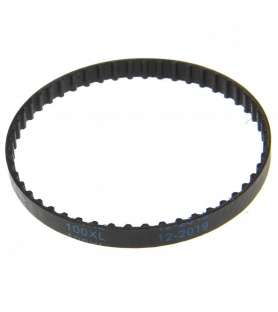
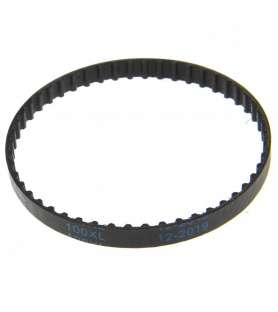
Belt 110XL031 for Dexter IC750BS portable belt sander
4,99 €
Tax included
Belt for portable belt sander Dexter IC750BS
Spare Part for Dexter Handheld Belt Sander: Repair and Maintain Your Power Tool
Are you looking for a spare part for your Dexter handheld belt sander to repair your power tool, replace a worn drive belt or restore normal operation? At Probois Machinoutils, we offer replacement parts designed for the maintenance and repair of certain Dexter belt sanders.
The Dexter brand, distributed through retailers including Leroy Merlin, is well known among DIY enthusiasts and woodworking hobbyists. Its power tools are designed for various renovation projects, surface preparation tasks and wood sanding applications.
A Dexter handheld belt sander is particularly useful for removing material, stripping old finishes, preparing surfaces before painting and sanding wooden workpieces of different sizes.
Like any electric power tool equipped with a mechanical transmission system, a belt sander contains components that may wear over time. Among these parts, the drive belt plays an essential role in transmitting movement to the sanding mechanism.
This category includes two replacement drive belt references: the 100XL031 drive belt for Dexter 900BS2.5 belt sander and the 110XL031 drive belt for Dexter IC750BS belt sander.
These spare parts can be used to replace a defective drive belt on compatible models without necessarily replacing the entire sander.
Why Replace the Drive Belt on a Dexter Belt Sander?
The drive belt on a Dexter belt sander transmits movement from the electric motor to the mechanism responsible for driving the abrasive sanding belt.
When the machine operates, the electric motor generates rotational movement that must be transferred to the sander's mechanical components. The drive belt provides this connection between the corresponding pulleys.
Over time, mechanical stress, temperature variations and repeated operating loads can cause the drive belt to wear progressively.
A damaged belt may interfere with the machine's operation and prevent the abrasive sanding belt from moving correctly.
Several symptoms may indicate that the transmission system needs inspecting:
- The abrasive sanding belt no longer moves even though the motor is running.
- The motor operates, but the drive roller remains stationary.
- The sanding belt moves irregularly.
- Unusual noises occur around the transmission mechanism.
- The drive belt has damaged or missing teeth.
- The belt is cracked, frayed or completely broken.
- The machine loses drive during sanding operations.
These symptoms may also be caused by other mechanical components. It is therefore important to inspect the pulleys, rollers and transmission mechanism before ordering a replacement belt.
When the drive belt is confirmed to be defective, replacing it may restore the sander's operation and extend its useful life.
100XL031 Drive Belt for Dexter 900BS2.5 Belt Sander
The 100XL031 drive belt for Dexter 900BS2.5 handheld belt sander is a transmission component designed for the compatible model specified on its product page.
This belt transmits movement between the sander's mechanical components, allowing the abrasive sanding belt to be driven during operation.
It is a suitable replacement part when the original drive belt is broken, worn or no longer performs its function correctly.
A transmission system in good condition is essential for maintaining consistent abrasive belt movement and allowing the machine to operate as intended by its manufacturer.
Before ordering the Dexter 900BS2.5 drive belt reference 100XL031, always check the exact model number of your sander.
We also recommend comparing the markings on the original belt with those on the replacement part.
The belt's dimensions and specifications must match your machine's transmission system.
Important: the 100XL031 drive belt must not be considered a universal replacement for all Dexter belt sanders. It should only be used on models for which compatibility has been confirmed.
110XL031 Drive Belt for Dexter IC750BS Belt Sander
The 110XL031 drive belt for Dexter IC750BS handheld belt sander is designed to replace the transmission belt on the compatible model.
It forms part of the sander's mechanical drive system and transmits the movement required to rotate the abrasive sanding belt.
A worn or broken drive belt can prevent the machine from operating correctly, even when the electric motor is still working.
In this situation, replacing the belt may provide a cost-effective repair solution, provided that the other transmission components remain in good condition.
The Dexter IC750BS 110XL031 drive belt must be selected by checking the sander's model number and the specifications of the original belt.
It is particularly important not to confuse this reference with the 100XL031 belt intended for the Dexter 900BS2.5.
These two belts have different designations and must not be considered interchangeable.
To avoid ordering mistakes, consult the corresponding product page before purchasing.
Drive Belt and Abrasive Sanding Belt: What Is the Difference?
When a belt sander stops working correctly, it is important to distinguish between the drive belt and the abrasive sanding belt.
These two components perform very different functions.
The abrasive sanding belt is the consumable that comes into direct contact with the material being sanded. Its abrasive surface removes material, strips finishes and prepares wood before further treatment.
It must be selected according to its dimensions, grit size and the type of work being carried out.
The drive belt, on the other hand, is located inside the sander's mechanism. It transfers movement from the motor to the drive system.
It does not directly sand the wood.
If the abrasive belt is worn, torn or clogged, the abrasive consumable generally needs replacing.
However, if the motor runs but the mechanism no longer drives the abrasive sanding belt, the transmission belt may be one of the components that requires inspection.
Understanding this distinction is essential for ordering the correct part and avoiding confusion between a mechanical fault and normal abrasive wear.
How to Identify a Worn or Broken Dexter Sander Drive Belt
A Dexter belt sander drive belt may show different signs of deterioration after prolonged use.
In some cases, the breakage is clearly visible and the diagnosis is relatively straightforward. In other situations, the belt may appear intact while showing significant wear.
A visual inspection may reveal:
- A completely broken drive belt.
- Cracks on the belt surface.
- Missing or heavily worn teeth.
- Belt deformation.
- Signs of abnormal friction.
- Fraying or deterioration along the belt edges.
- Uneven wear caused by incorrect alignment.
If the drive belt has broken prematurely, it is important to investigate the cause of the failure.
A seized roller, damaged pulley, incorrect alignment or excessive mechanical load may contribute to the deterioration of a new belt.
Simply replacing the drive belt may therefore not always solve the underlying problem.
Before any inspection or repair, always unplug the belt sander from the electrical socket. Never handle the transmission mechanism while the machine is connected to the power supply.
How to Choose the Correct Drive Belt for Your Dexter Belt Sander
Choosing a replacement drive belt for a Dexter sander requires careful attention.
Several belt sanders may look similar while using different transmission systems.
A belt that is too long, too short or has an unsuitable tooth profile may prevent the machine from operating correctly.
Before ordering, we recommend checking the following information:
- Brand: Dexter.
- Exact model: particularly 900BS2.5 or IC750BS.
- Drive belt reference: 100XL031 or 110XL031 depending on the model.
- Original belt markings: when they are still readable.
- Dimensions: length, width and tooth profile.
- Manufacturing version: if several variants of the machine exist.
- Exploded parts diagram: when technical documentation is available.
A belt designation may provide useful information about its specifications, but it is best not to rely solely on an approximate measurement of the old belt, especially when it is stretched, deformed or broken.
Comparing the original reference remains the most reliable method.
IMPORTANT: BEFORE ORDERING A DRIVE BELT FOR YOUR DEXTER BELT SANDER, ALWAYS CHECK THE EXACT MODEL OF YOUR MACHINE AND THE REFERENCE OF THE ORIGINAL DRIVE BELT.
How to Maintain Your Dexter Handheld Belt Sander
Regular maintenance helps preserve the performance of your Dexter belt sander and reduces premature wear of its components.
Sanding produces a significant amount of dust, particularly when working with wood. These particles can accumulate around the rollers, ventilation openings and mechanical components.
It is therefore important to keep the machine clean and follow the manufacturer's maintenance recommendations.
The main maintenance operations may include:
- Regularly removing accumulated sanding dust.
- Checking the condition of the abrasive sanding belt.
- Inspecting the abrasive belt tracking and alignment.
- Visually checking accessible rollers.
- Checking that the dust extraction system operates correctly.
- Cleaning the motor ventilation openings.
- Inspecting the electrical cable and plug.
- Monitoring unusual noises or vibrations.
- Following the operating conditions specified by the manufacturer.
Applying excessive pressure during sanding may increase the load on the motor and transmission components.
It is preferable to let the abrasive belt do the work without applying unnecessary force to the machine.
Using an abrasive belt suited to the material and the sanding task also helps maintain the sander's performance.
If an unusual noise occurs or the abrasive sanding belt stops moving correctly, switch off the machine immediately and identify the cause before continuing.
Repair Your Dexter Belt Sander Instead of Replacing It
A transmission failure does not necessarily mean that your Dexter handheld belt sander needs replacing.
When the motor is still working and the problem is caused solely by a worn or broken drive belt, a repair may be possible.
Replacing the drive belt with a suitable part offers several advantages:
- Extending the useful life of the sander.
- Avoiding the premature replacement of a power tool that is otherwise functional.
- Reducing repair costs when only the drive belt is defective.
- Restoring proper abrasive sanding belt movement.
- Reducing waste by repairing equipment whenever possible.
However, it is important to check the overall condition of the machine before carrying out the repair.
If the pulleys are damaged, the rollers are seized or the motor has developed a fault, replacing the drive belt alone may not be sufficient.
Disassembly and reassembly must be carried out in accordance with the manufacturer's instructions, with the machine unplugged and by someone with the necessary technical skills.
Why Buy Dexter Belt Sander Spare Parts from Probois Machinoutils?
At Probois Machinoutils, we offer spare parts for a wide range of DIY and woodworking machines, including products from Dexter, Scheppach, Parkside and Woodster.
Our category dedicated to spare parts for Dexter handheld belt sanders includes drive belts designed for the Dexter 900BS2.5 and Dexter IC750BS models.
You can find the 100XL031 drive belt for the Dexter 900BS2.5 sander and the 110XL031 drive belt for the Dexter IC750BS sander.
Our aim is to make it easier to find suitable replacement parts and help users repair their power tools whenever technically possible.
Spare parts availability may change depending on stock levels and deliveries from our suppliers.
Before ordering, we recommend carefully checking the specifications and compatibility information provided on each product page.
Whether you are looking for a spare part for a Dexter belt sander, a Dexter 900BS2.5 drive belt or a Dexter IC750BS replacement belt, explore our selection of spare parts to maintain your power tool and extend its service life.