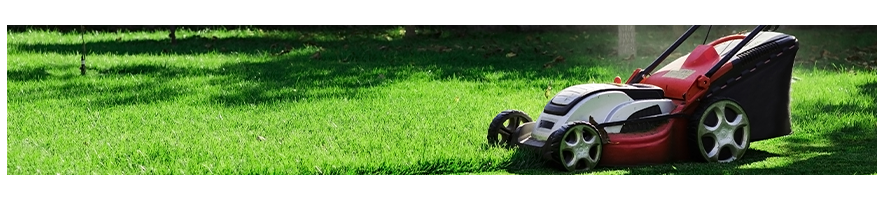
The Scheppach MS196-51SE and Woodster TT196-51SE petrol lawn mowers are the kind of machines that can still give years of good service when they are properly maintained. With their comfortable cutting width, self-propelled drive and practical equipment, they were designed to make regular lawn care easier.
After several seasons, though, it is completely normal for certain parts to start wearing out. A blade may become damaged, a wheel may develop play, a cable may break or part of the transmission may no longer work as smoothly as before.
And when the engine still runs well and the chassis remains sound, it would be a shame to replace the whole mower because of one worn part.
This category brings together a wide range of spare parts for Scheppach MS196-51SE and Woodster TT196-51SE lawn mowers, allowing you to maintain your machine, repair a fault and extend its service life.
Parts for maintaining and repairing your MS196-51SE or TT196-51SE
A lawn mower is made up of many separate components, and fortunately many of them can be replaced individually.
Depending on the version and production period of your machine, you may find parts for:
-
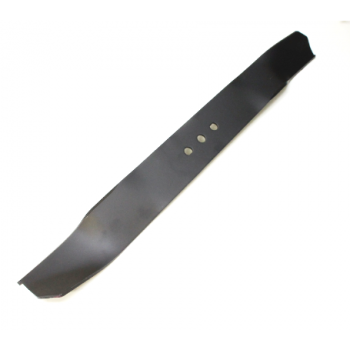
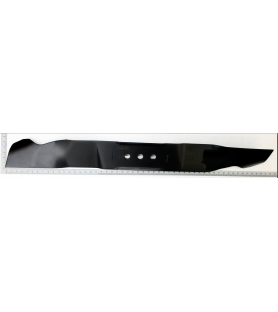
Lawn mower blade.
-
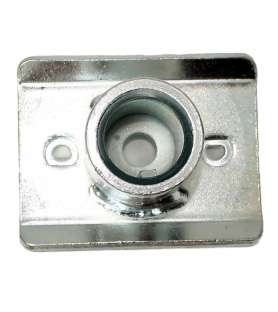
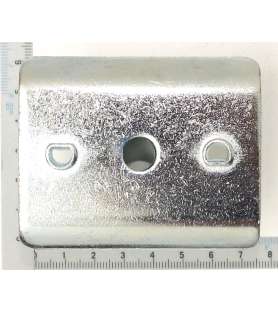
Blade holder and fixing parts.
-
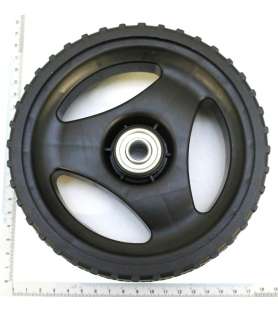
Front and rear wheels.
-
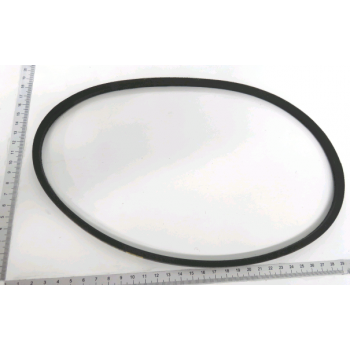
Self-propelled drive system.
-
Transmission gearbox.
-
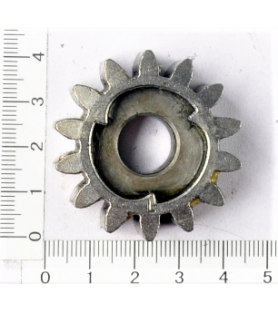
Drive gears.
-
Springs and tensioning parts.
-
Bowden cables.
-
Control levers.
-
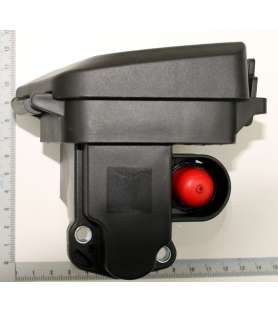
Air filter.
-
Ignition components.
-
Recoil starter.
-
Starting system.
-
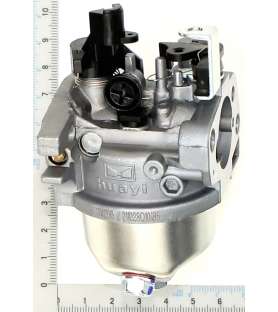
Carburettor and related parts.
-
Fuel tank and fuel supply system.
-
Exhaust.
-
Engine brake.
-
Handlebar and fixings.
-
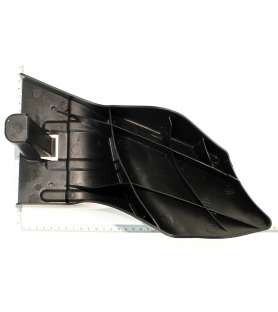
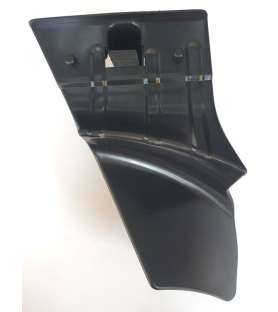
Grass collector and supports.
-
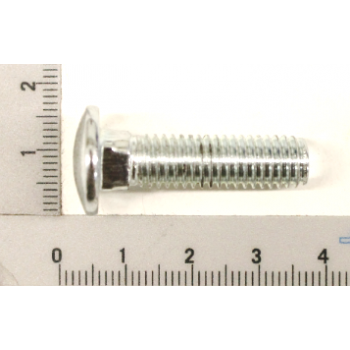
Screws, nuts, washers, springs and other small mechanical parts.
The advantage is being able to replace only the part that is genuinely faulty, rather than changing components that may still have many years of service left.
A good blade really changes the quality of the cut
The blade is one of the first parts to keep an eye on.
Every time the mower is used, it rotates at high speed and cuts thousands of blades of grass. Over time, the cutting edge naturally becomes dull. It may also hit a stone, branch, root or object hidden in the lawn.
When the blade starts to wear, you may notice:
-
Grass is torn rather than cleanly cut.
-
The finish looks less tidy.
-
Certain areas need several passes.
-
The mower starts to vibrate.
-
The blade shows visible impact marks or deformation.
A sharp, well-balanced blade provides a cleaner cut and also helps prevent unnecessary vibration throughout the machine.
After an impact, remember to check the blade holder
When the mower hits a solid obstacle, the blade is naturally the first part people inspect.
But it may not be the only part affected.
The blade holder connects the engine shaft to the blade. A strong impact can bend or damage it.
If your MS196-51SE or TT196-51SE suddenly begins vibrating after hitting a stone or stump, inspect:
-
The blade.
-
The blade holder.
-
Fixing hardware.
-
Engine shaft.
-
Any play or deformation.
This is a simple but important check. Fitting a new blade onto a damaged blade holder may not solve the vibration problem.
When the self-propelled drive starts losing efficiency
The self-propelled system is especially useful on a mower of this size. It saves you from having to constantly push the machine and makes mowing much more comfortable, particularly on slightly sloping ground.
After several years, however, the drive system may start to lose efficiency.
The lawn mower may:
-
Move more slowly.
-
Struggle to move forward.
-
Jerk during operation.
-
Fail to drive one wheel correctly.
-
Stop moving even when the drive control is engaged.
Several components may be involved.
The transmission, gears, cables, springs, wheels and linkage parts should all be inspected.
A drive problem does not automatically mean that the complete transmission gearbox needs replacing.
Sometimes one small worn part is enough to stop the whole system from working properly.
Transmission gearbox and drive gears
The transmission gearbox is obviously an important component of the self-propelled system.
However, before replacing it, it is sensible to check the surrounding parts.
Drive gears, for example, can wear gradually. Their teeth may eventually stop transmitting movement efficiently to the wheels.
This can cause:
Taking a few minutes to watch how the mechanism works can sometimes reveal that the repair is much simpler than expected.
Wheels: working hard every metre
We often focus on the engine when maintaining a lawn mower, but the wheels also work constantly.
They support the weight of the machine and travel over ground that is rarely perfectly even. Borders, holes, roots, gravel and repeated turns naturally cause wear.
Over time, a wheel may develop:
A worn wheel can make the lawn mower less pleasant to manoeuvre and, on a self-propelled machine, can also interfere with the drive system.
Replacing a tired wheel is often a simple repair that immediately improves comfort during use.
The air filter deserves a little attention
The air filter is a perfect example of a small part that is easy to overlook.
Yet a lawn mower works constantly in dust, soil and grass particles. The engine therefore needs to breathe through a clean filter.
When the filter becomes heavily clogged, airflow may be reduced.
This can lead to:
-
Loss of power.
-
Less stable engine operation.
-
Poor acceleration.
-
Increased fuel consumption.
-
General running problems.
Checking the air filter regularly is therefore one of the easiest maintenance jobs you can do.
It is exactly the kind of small habit that can help keep an engine in good condition for much longer.
Pay attention to different engine-part versions
On lawn mowers manufactured over several years, some components may change during production.
An air filter, carburettor, ignition part or fuel tank component may differ depending on the manufacturing date.
Two parts can look identical in a photograph while having a slightly different mounting point or dimension.
That is why checking references before ordering is essential.
A lawn mower that will not start does not necessarily have a major fault
One morning, the mower refuses to start even though it worked perfectly the week before.
It is frustrating, but it does not necessarily mean that a major repair is required.
Several components can be checked:
The best approach is to work step by step.
Replacing several parts at random can become expensive and still fail to solve the problem. A methodical diagnosis is much more effective.
Recoil starter and starting system
The starting system is naturally used every time the mower is operated.
Over the years, the recoil starter may develop different faults:
-
The rope no longer retracts.
-
The mechanism spins freely.
-
The starter engages poorly.
-
The rope becomes worn or breaks.
In that case, the problem is mainly mechanical.
However, if the starter turns the engine correctly but the engine still does not start, attention should be directed toward ignition or fuel supply instead.
Making this distinction already avoids a lot of unnecessary part replacement.
Carburettor and fuel supply
Fuel and long periods of storage can also affect the operation of a lawn mower.
After a long winter, for example, a carburettor may be dirty or some gaskets may have aged.
If the engine:
It may be useful to inspect the fuel system.
Before replacing the complete carburettor, check the fuel supply, condition of the gaskets and general cleanliness of the system.
Sometimes a relatively simple repair is enough to restore normal operation.
The exhaust can also age
The exhaust is exposed to heat, vibration and moisture.
Over the years, it may corrode or deteriorate.
An unusual increase in noise can be one sign of a damaged exhaust.
Being able to replace this component independently from the engine is obviously useful: a worn exhaust does not mean the engine itself is at the end of its life.
Never ignore the engine brake and safety components
Safety systems on a lawn mower should never be removed or bypassed just to keep using the machine.
The engine brake and associated controls are an integral part of safe operation.
If a safety component no longer works properly, the cause should be identified and the faulty part replaced before the mower is used again.
Handlebar, levers and cables: heavily used components
The handlebar is constantly being used.
Levers are operated every time you mow, and Bowden cables continually transmit commands to the various mechanisms.
Over time, a cable may:
A lever can also develop play or break.
If a control suddenly feels very loose or unusually stiff, checking the corresponding cable is often a good first step before assuming there is a more complicated fault.
Grass collector and supports
The grass collector is one of the parts of the mower that is handled most often.
It is removed, emptied and refitted, sometimes several times during a single mowing session.
It is therefore perfectly normal for a support, fixing point or collector component to wear over time.
If only one small part is damaged, there is no need to replace a complete assembly that is otherwise still perfectly usable.
That is exactly the benefit of spare parts: repair intelligently instead of discarding.
A small part can sometimes stop the whole mower
Spring, key, pin, washer, nut, screw...
These parts may seem unimportant until one breaks or goes missing.
A simple spring can prevent a transmission from being tensioned correctly. A missing fixing can make a control unusable. A worn gear can completely remove the self-propelled drive.
Before assuming a major component has failed, inspect the whole mechanism carefully.
It is quite common for a small repair to be enough to put the lawn mower back into service.
Always check your exact model and manufacturing date
This is probably the most important advice on this page.
Differences may exist between Scheppach MS196-51SE and Woodster TT196-51SE lawn mowers depending on the production period.
Before ordering a part, always check:
Do not rely only on photographs.
A part may look identical but have a slightly different diameter, cable length or mounting system.
A few minutes spent checking before ordering can often prevent an incorrect purchase.
A few good habits to keep your mower running for longer
You do not need to be a mechanic to look after your lawn mower.
A few regular habits can make a real difference:
-
Clean the cutting deck after mowing.
-
Do not leave wet grass to dry underneath the machine.
-
Check the blade regularly.
-
Inspect the blade holder after an impact.
-
Monitor the condition of the wheels.
-
Check the self-propelled drive.
-
Clean or replace the air filter when needed.
-
Check the spark plug.
-
Monitor engine oil level.
-
Inspect cables and controls.
-
Do not ignore unusual noise or vibration.
-
Store the machine in a dry place.
A lawn mower often gives small warning signs before a part fails completely.
Paying attention to these changes makes it possible to repair the machine earlier and prevents a small issue from causing additional damage.
An older lawn mower is not necessarily ready to be replaced
This may be the most important point.
When you have owned a mower for several years, you know it. You know how it starts, how it handles, how to set the cutting height and how it behaves on your own lawn.
So when one part eventually fails, there is no need to automatically start again with a new machine.
If the engine is still healthy and the chassis remains in good condition, a blade, wheel, cable, gear, recoil starter or transmission part may be enough to give your lawn mower several more seasons of useful work.
Repairing also helps avoid replacing an entire machine because of a relatively simple fault.
Browse this category to find the main spare parts for Scheppach MS196-51SE and Woodster TT196-51SE lawn mowers, maintain your machine, replace worn components and keep it looking after your garden for as long as possible.