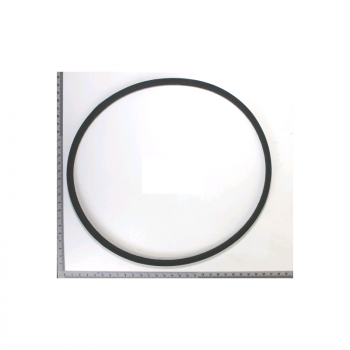
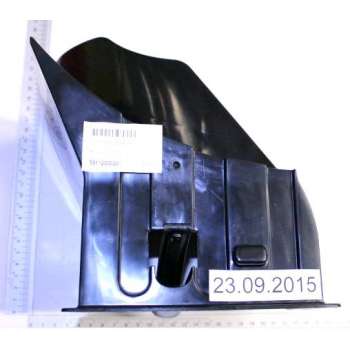
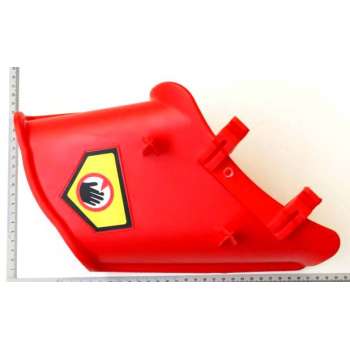
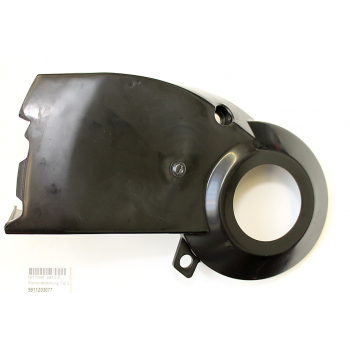
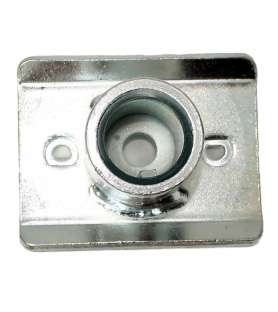
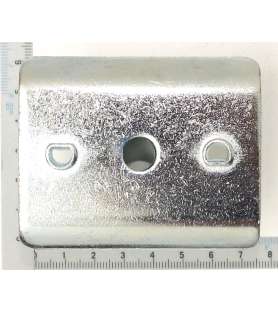
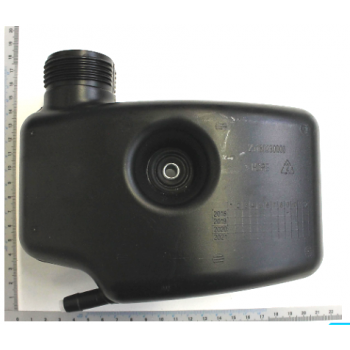
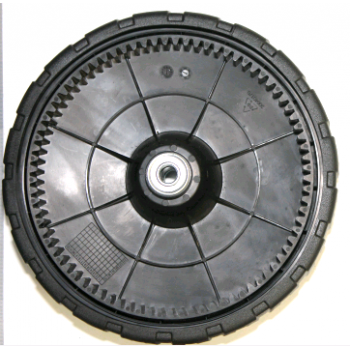
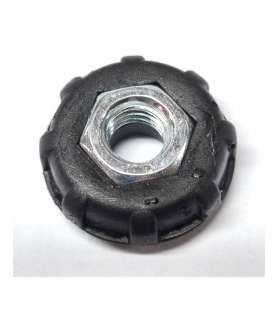
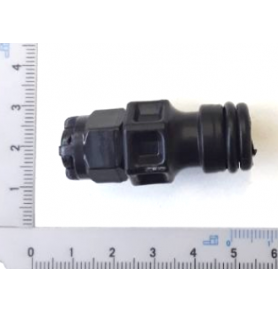
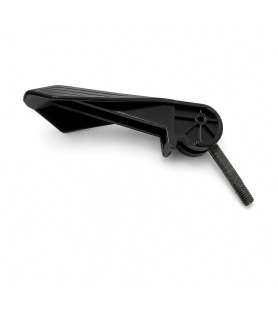
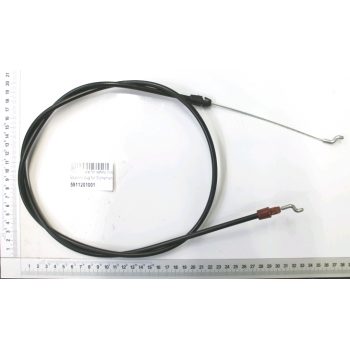
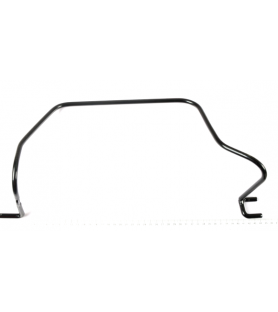
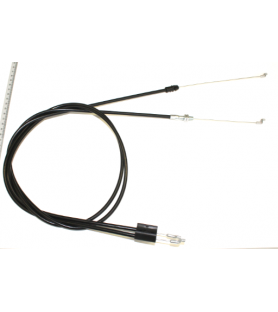
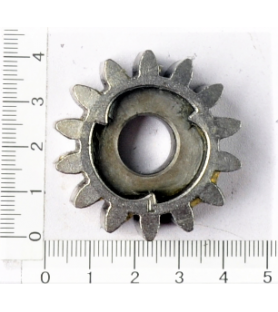
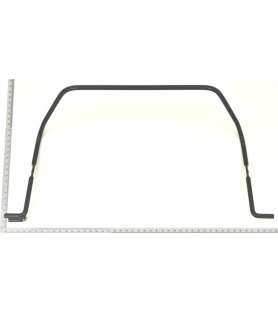
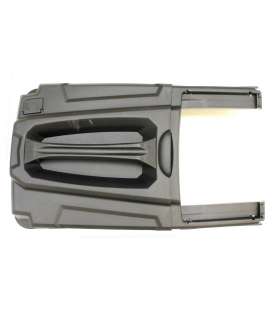
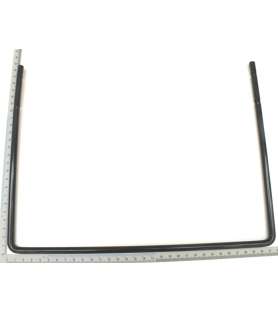
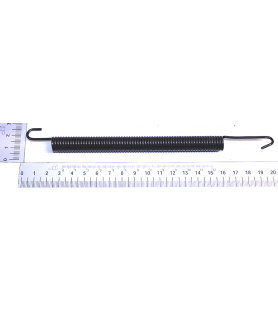
The Scheppach MS196-51E and Woodster TT196-51E petrol lawn mowers are the kind of machines that are well worth keeping and repairing when they are still in good overall condition. With their generous cutting width and self-propelled drive system, they were designed to make mowing larger lawns easier and more comfortable.
After several mowing seasons, however, it is perfectly normal for certain parts to begin showing signs of wear. A blade may become blunt, a wheel may develop play, a transmission component may wear out or an engine part may need replacing.
And if the mower still starts well and the chassis remains in good condition, it would be a shame to replace the entire machine because of one worn part.
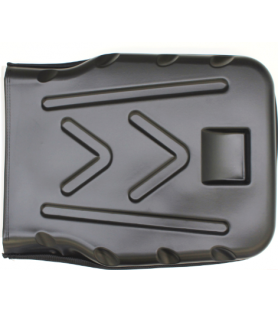
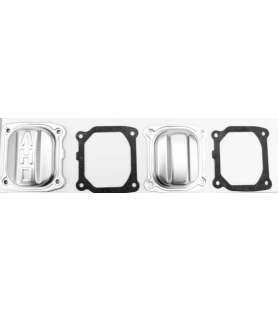
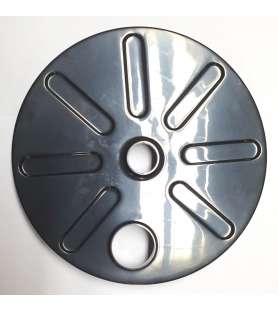
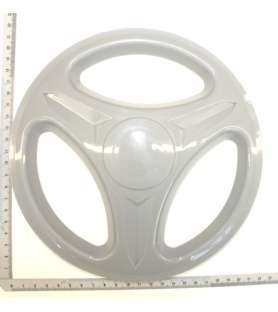
This category therefore brings together a wide range of spare parts for Scheppach MS196-51E and Woodster TT196-51E lawn mowers, allowing you to maintain your mower, repair a fault and, above all, extend its useful life.
A wide range of parts for repairing your MS196-51E or TT196-51E
A lawn mower is made up of many components that can be replaced separately. This is especially useful on a machine that is a few years old but still in good overall condition.
In this category, you may find parts for:
-
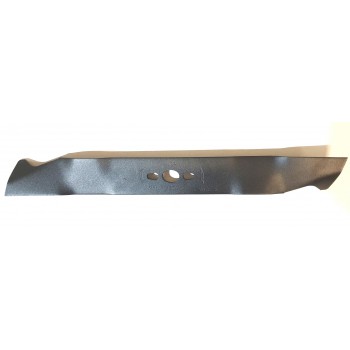
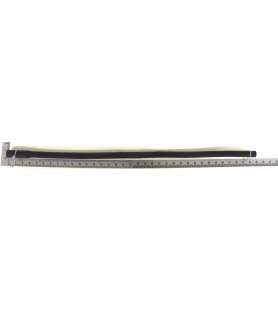
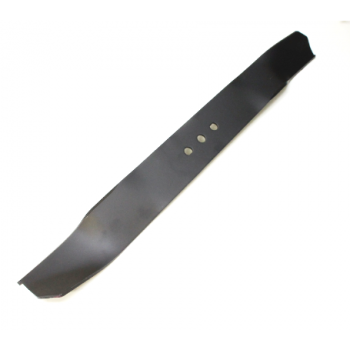
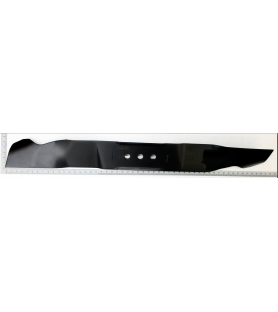
510 mm lawn mower blade.
-
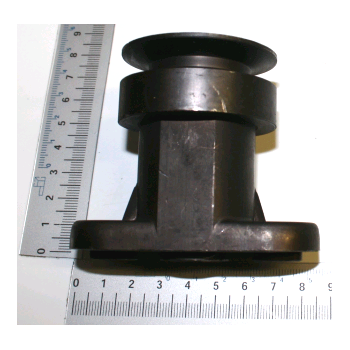
Blade holder.
-
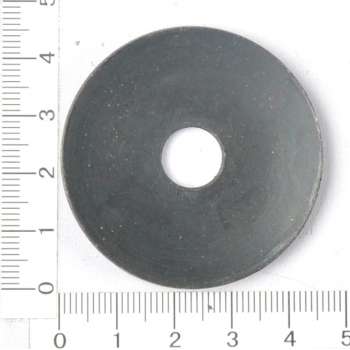
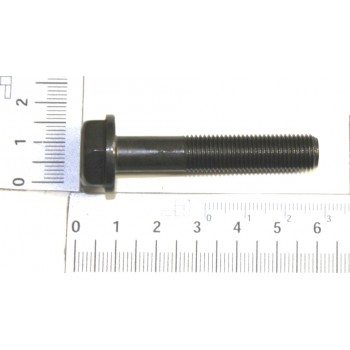
Blade fixing components.
-
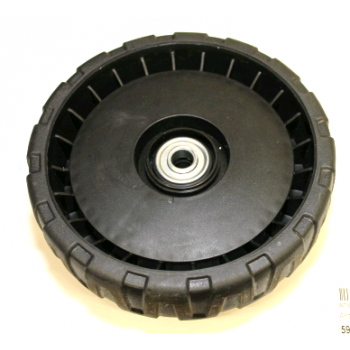
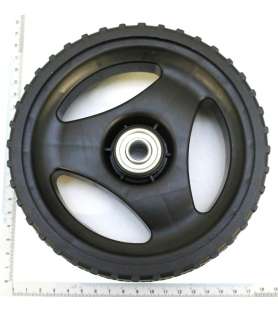
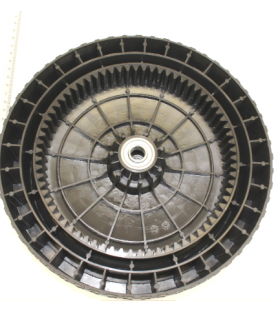
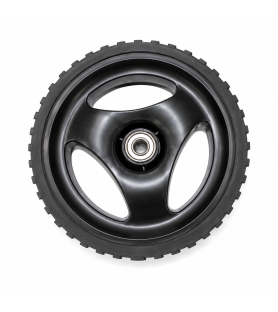
Front and rear wheels.
-
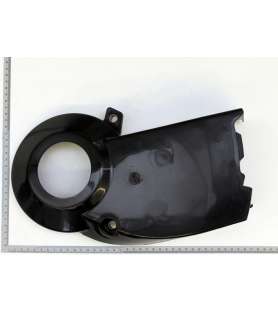
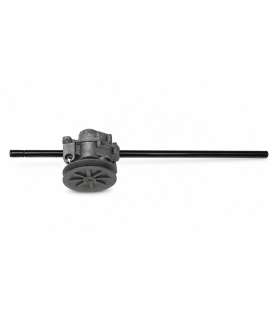
Transmission gearbox.
-
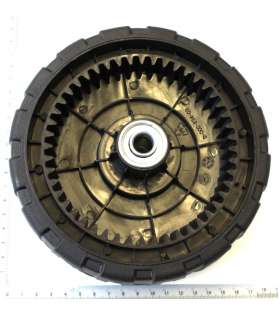
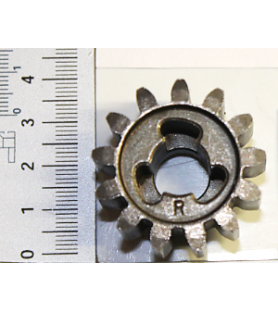
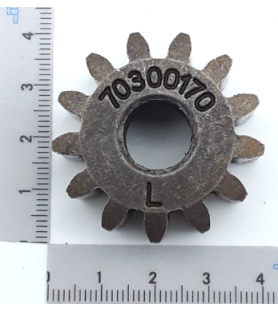
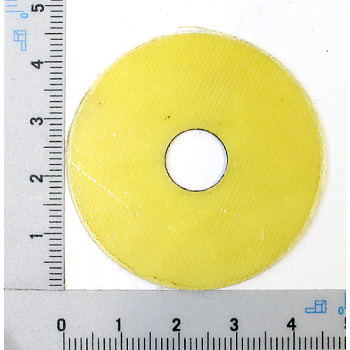
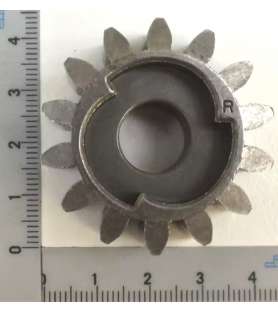
Drive gears.
-
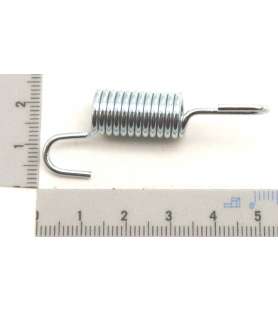
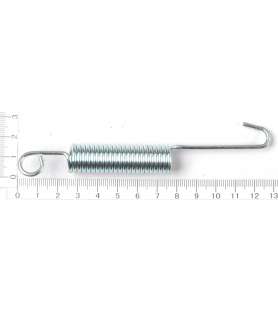
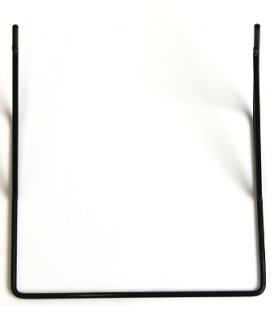
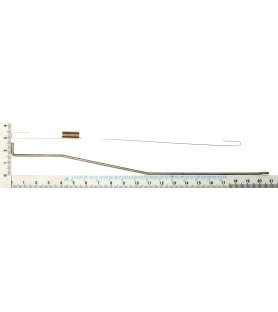
Tension springs.
-
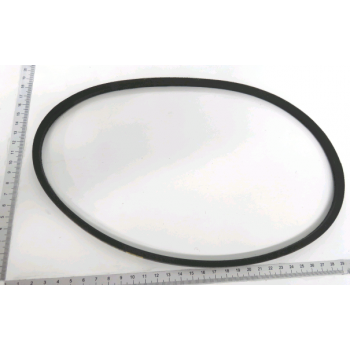
Self-propelled drive components.
-
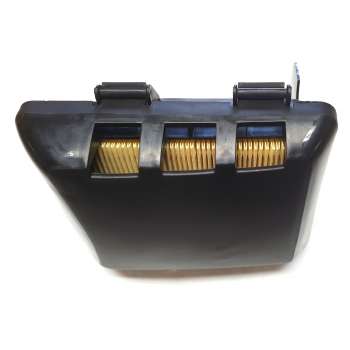
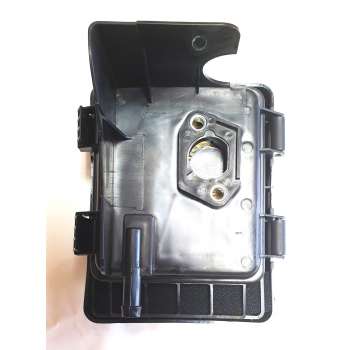
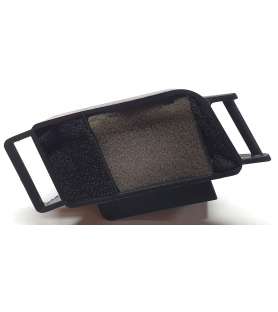
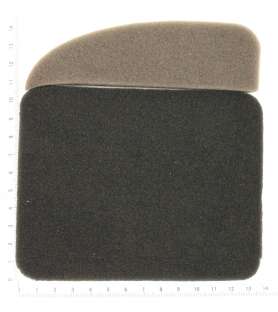
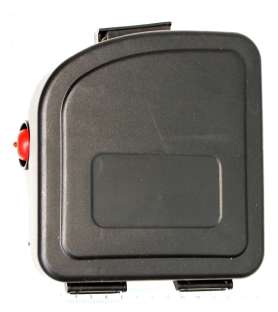
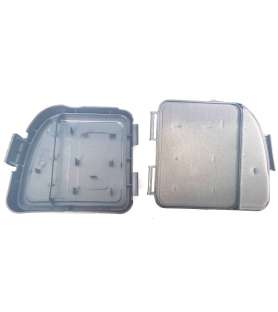
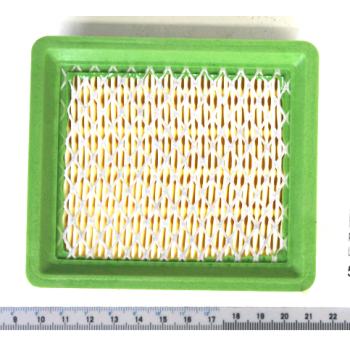
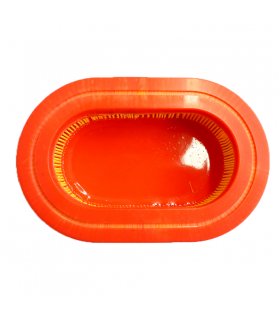
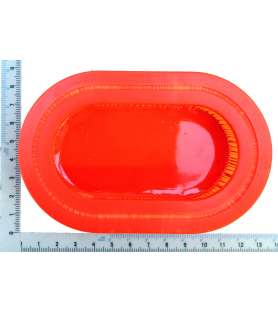
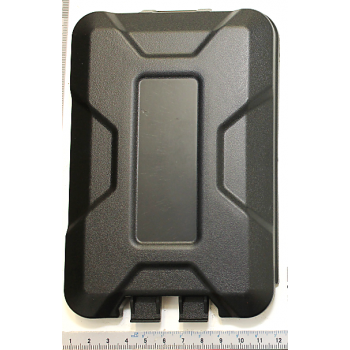
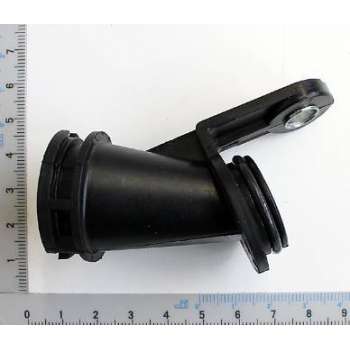
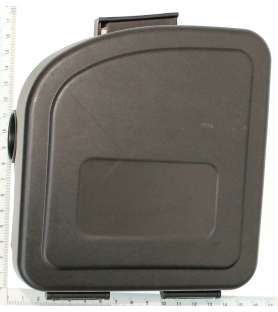
Air filter and housing.
-
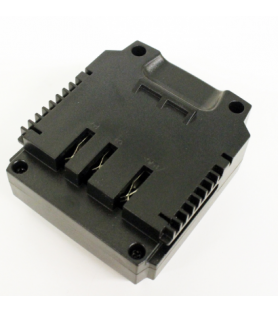
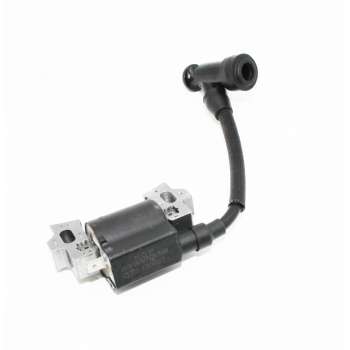
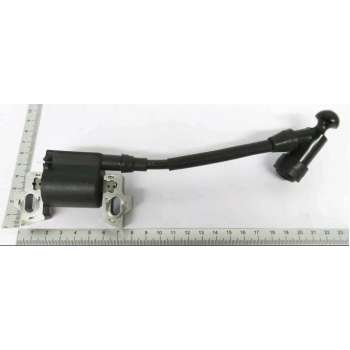
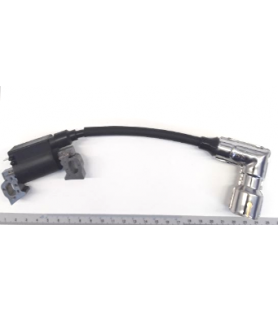
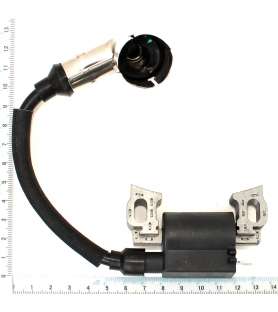
Ignition coils.
-
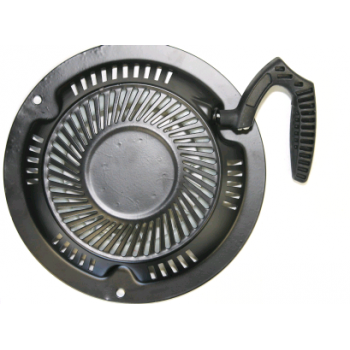
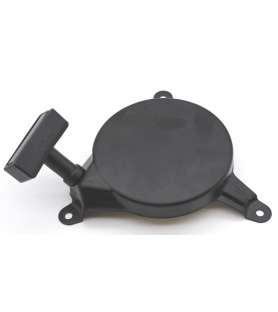
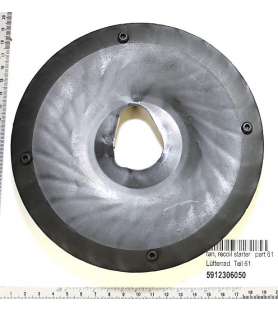
Recoil starter.
-
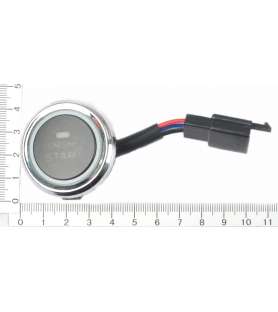
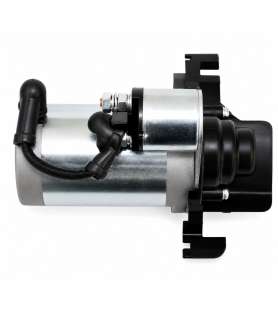
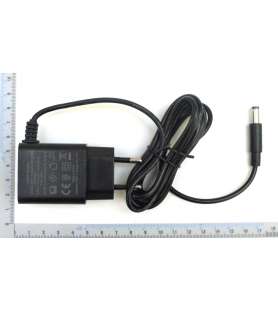
Electric starter.
-
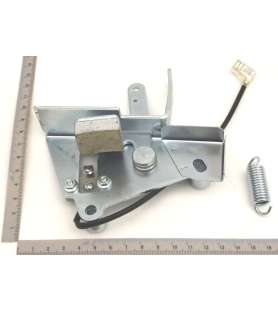
Engine brake.
-
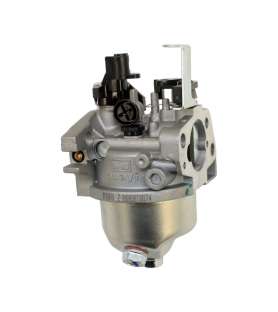
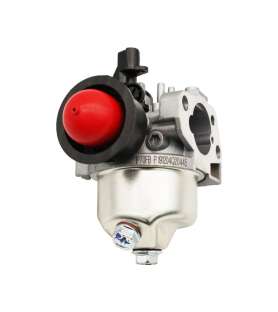
Carburettor components.
-
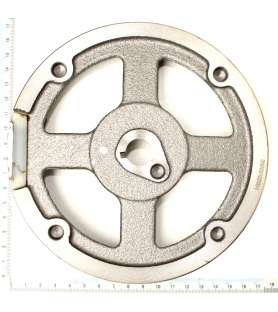
Flywheel.
-
Exhaust.
-
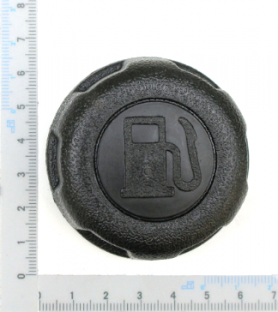
Fuel tank parts.
-
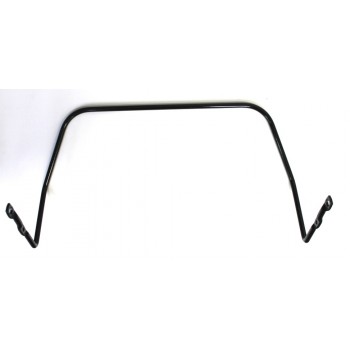
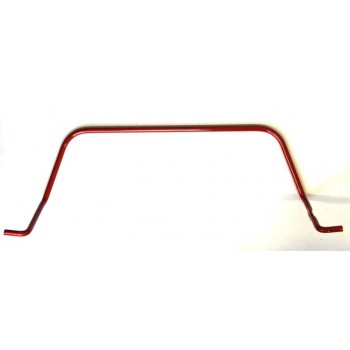
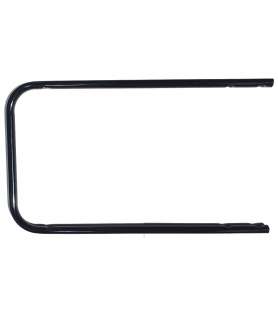
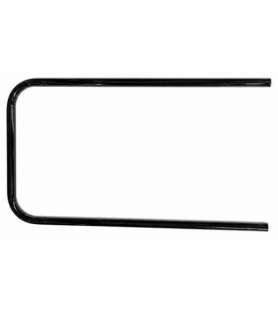
Upper and lower handlebar.
-
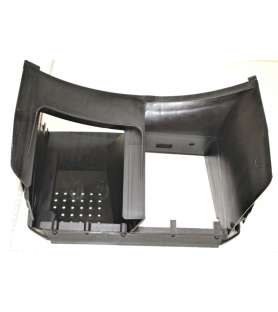
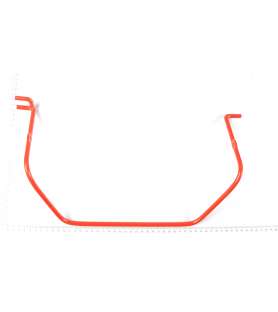
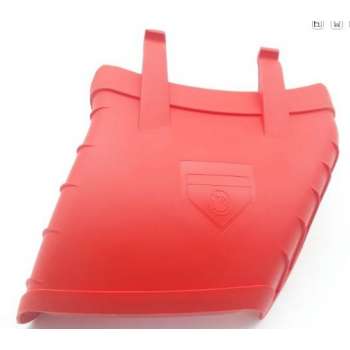
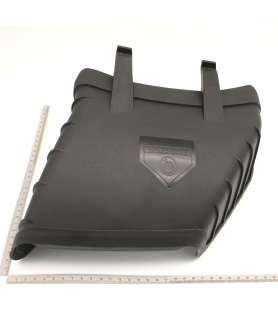
Grass collector and supports.
-
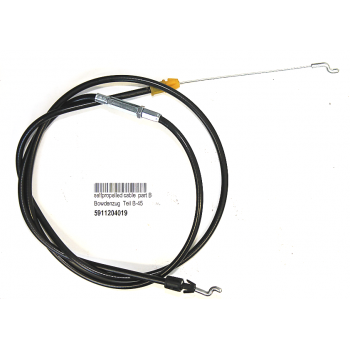
Control levers.
-
Small mechanical parts and fixings.
This makes it possible to replace only what is genuinely faulty, rather than changing complete assemblies unnecessarily.
510 mm blade: at the heart of the cutting system
The 510 mm blade is obviously one of the essential parts of the Scheppach MS196-51E and Woodster TT196-51E.
It is also a normal wear part.
Over time, the cutting edge gradually becomes blunt. Stones, roots, branches or small objects hidden in the grass can also damage it.
A worn blade may result in:
It is therefore useful to inspect it regularly, especially after hitting an obstacle.
A blade in good condition really makes a difference: the mower cuts better, the result looks cleaner and the cutting system works under better conditions.
Do not forget the blade holder
If the blade has suffered a significant impact, the blade holder should also be checked.
It is easy to immediately replace the blade and assume the problem will be solved. However, the blade holder may also have been bent or damaged during the impact.
If your lawn mower suddenly begins to vibrate after hitting a stone or stump, check:
-
The blade.
-
The blade holder.
-
Fixing components.
-
Engine shaft.
-
Any deformation or play.
Replacing only the blade when the blade holder is also damaged may not eliminate the vibrations.
Transmission and self-propelled drive: when the mower no longer moves as well
The self-propelled drive provides real comfort on a mower of this size. When it works correctly, there is no need to constantly push the machine, as the drive system does much of the work.
After several years, however, transmission components can naturally wear.
If your MS196-51E or TT196-51E no longer moves as well as it used to, several parts may need checking:
A drive problem does not necessarily mean that the complete transmission has failed.
Sometimes, one small mechanical component can make the mower much less pleasant to use. Identifying the exact cause helps avoid replacing a complete assembly unnecessarily.
Transmission gearbox
The transmission gearbox plays a central role in the mower's drive system.
If the engine runs normally but the machine no longer moves forward correctly, the gearbox is one of the components that may need to be inspected along with the rest of the drive mechanism.
Before replacing it, however, it is worth checking the surrounding parts. A worn gear, an incorrectly adjusted control or a faulty spring can sometimes produce similar symptoms.
The best approach is therefore to inspect the complete mechanism before deciding which part genuinely needs replacing.
Gears and small transmission parts
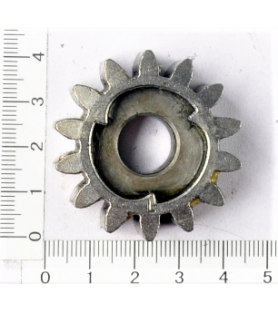
Drive gears are relatively small components, but they are essential for transmitting movement.
Over time, their teeth may wear and cause:
It is always worth checking these smaller parts before considering a more extensive repair.
This is one of the main advantages of having spare parts available: a fault that initially appears serious may sometimes be solved by replacing a fairly simple component.
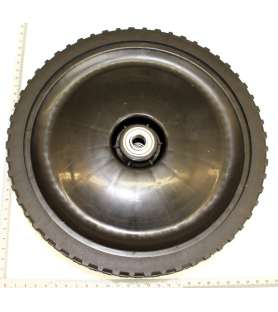
Front and rear wheels
Lawn mower wheels work extremely hard.
They run over ground that is rarely perfectly flat, encounter borders, holes and roots, and constantly support the weight of the machine.
Over time, they may develop:
A damaged wheel certainly does not mean the end of a lawn mower. Replacing it can immediately make a machine easier and more comfortable to manoeuvre again.
Air filter: simple maintenance that really matters
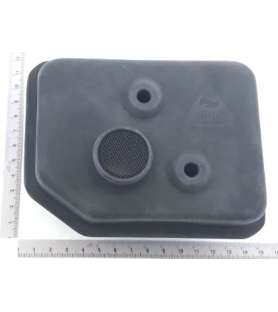
The air filter is a small part that can easily be overlooked, yet it plays an essential role.
A lawn mower works in a particularly dusty environment. Dry grass, soil and airborne debris mean the engine needs effective air filtration.
A heavily clogged filter can restrict the airflow required for proper engine operation.
This may cause:
-
Loss of power.
-
Less stable engine operation.
-
Poor acceleration.
-
Increased fuel consumption.
-
General running problems.
Regularly checking the air filter is therefore one of those simple habits that can help keep a mower running well for longer.
Pay attention to different air filter versions
Depending on the manufacturing period, different filters or air filter housings may have been used.
This is important when ordering.
Two filters can look almost identical in a photo while not actually being interchangeable.
We therefore recommend always comparing the machine reference and manufacturing date with the compatibility information provided for the part.
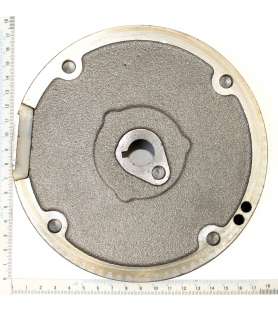
Ignition: spark plug, ignition coil and flywheel
When an engine refuses to start, the ignition system is naturally one of the first areas to inspect.
Several parts may be involved:
No spark does not automatically mean that the ignition coil is faulty.
It is better to work methodically: check the spark plug, inspect the connections, confirm whether a spark is present and then continue the diagnosis if necessary.
This approach helps avoid replacing several parts just to “try them”, which can quickly become expensive without solving the problem.
Recoil starter and electric starting system
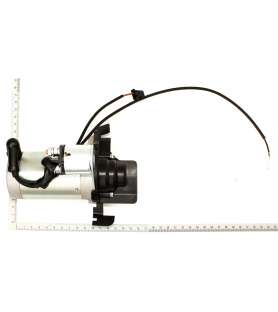
The electric starting system is one of the convenient features found on certain versions of this lawn mower.
However, like any mechanical or electrical system, its components can wear over time.
Depending on the fault, several parts may be involved:
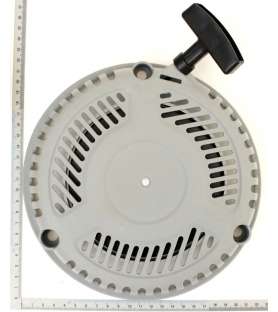
A recoil starter whose rope no longer retracts or which spins without engaging should be inspected mechanically.
On the other hand, if the engine is being turned correctly but still refuses to start, the fault is more likely to be in the ignition or fuel system.
Distinguishing between these symptoms can save time and, above all, prevent ordering the wrong part.
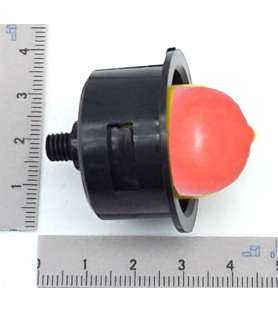
Carburettor and fuel supply
After several years of use or a long period in storage, the fuel system may also require attention.
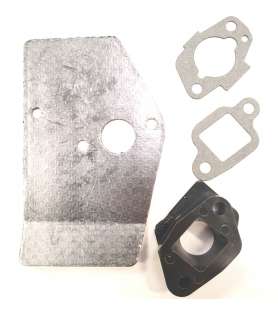
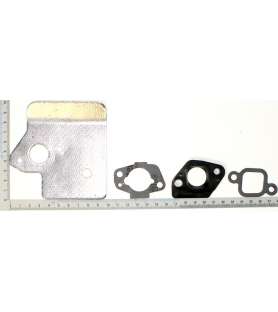
Carburettor gaskets may age and lose flexibility. Certain parts may become dirty, while fuel tank components can deteriorate.
If the engine is difficult to start, stalls or runs irregularly, several checks can be made before replacing the entire carburettor.
It may be useful to inspect:
-
Fuel supply.
-
Condition of the gaskets.
-
Carburettor cleanliness.
-
Fuel cap and tank components.
-
General condition of the fuel system.
Once again, the aim is to replace the correct part rather than working by trial and error.
Exhaust
The exhaust is another component that can deteriorate over time.
Heat, vibration and corrosion can gradually damage it.
A damaged exhaust may become unusually noisy or show visible signs of wear.
Being able to replace this part separately allows you to keep the engine and the rest of the mower when they are still perfectly serviceable.
Engine brake
The engine brake is an important part of the lawn mower's operation.
If it is damaged or no longer works properly, the problem should not simply be bypassed.
Safety-related components must remain fully operational.
If there is a fault, the relevant part should be identified and properly repaired before the mower is used again.
Grass collector and supports
The grass collector is constantly handled: removed, emptied and refitted, sometimes several times during a single mowing session.
Over the years, its cover, support or other parts may therefore become damaged.
This is exactly where spare parts make sense.
If only the support is broken but the rest of the collector remains in good condition, why replace the whole assembly?
Keeping the parts that are still usable and replacing only the damaged component is often the most practical and economical solution.
Upper and lower handlebar
The handlebar is also subjected to considerable stress: pushing, vibration, possible folding for storage and repeated handling.
Both upper and lower sections may be replaceable if damaged.
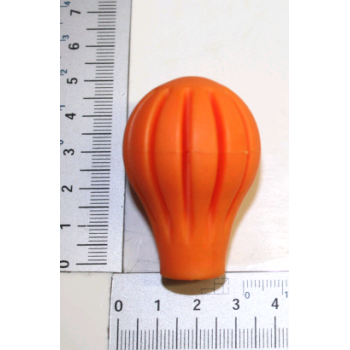
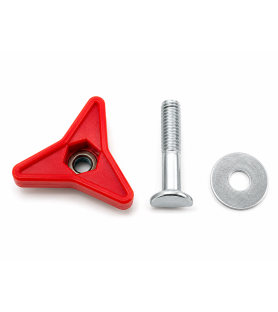
However, the problem may sometimes be caused only by a screw, star knob or another fixing component.
Before replacing the complete handlebar, always check the fixings first.
Small parts can solve big problems
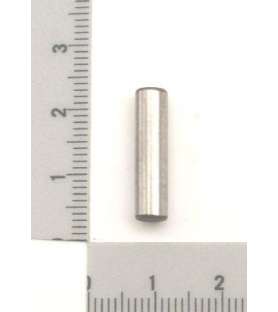
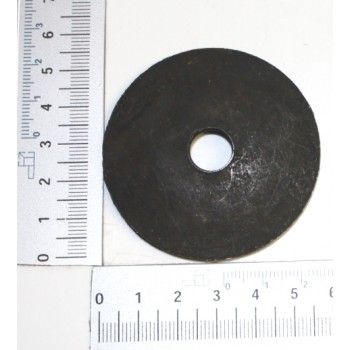
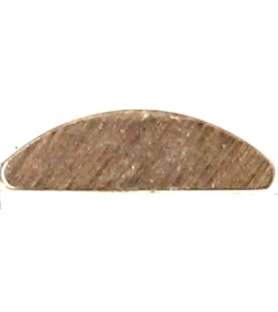
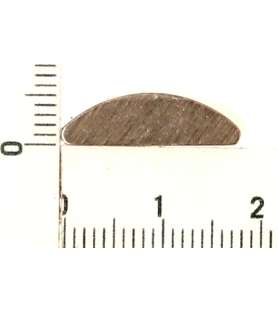
A key, spring, washer or screw may cost very little and seem insignificant.
Yet if one of these parts is missing, broken or badly worn, an entire mechanism may stop working properly.
That is why this category also includes various small mechanical parts for Scheppach MS196-51E and Woodster TT196-51E lawn mowers.
Before assuming that a major component has failed, take a close look at the assembly. Repairs are sometimes much simpler than expected.
Always check the manufacturing date
This is probably the most important point before ordering a part for these lawn mowers.
The MS196-51E was produced over different periods, and some part numbers changed over time. Certain parts may be intended specifically for machines manufactured before or after a particular date.
Before ordering, take a few minutes to note:
This small check can save a lot of wasted time.
Never choose a part only because it looks like the one fitted to your mower. A difference of a few millimetres, a different mounting system or a production change may be enough to make it incompatible.
Maintain your lawn mower to keep it running longer
A well-maintained lawn mower can continue working for many years.
You do not need to be a mechanic to adopt a few good habits:
-
Clean underneath the cutting deck after use.
-
Do not allow wet grass to build up.
-
Check the blade regularly.
-
Inspect the blade holder after an impact.
-
Monitor the wheels and transmission.
-
Clean or replace the air filter when necessary.
-
Check the spark plug.
-
Regularly check the engine oil level.
-
Inspect controls and cables.
-
Do not ignore unusual vibration or noise.
-
Store the lawn mower in a dry place.
A lawn mower will often give some warning before a part fails completely. A new noise, weaker drive or sudden vibration are all signs worth investigating early.
Repair rather than replace: often the better choice
When a lawn mower is already several years old, the first reaction to a fault may be to assume it is too old to repair.
In many cases, that simply is not true.
If the chassis is still sound and the engine runs properly, a blade, wheel, gear, air filter, starter or transmission part may be all that is needed to give the machine a new lease of life.
There is also a practical advantage: when you have used the same mower for several years, you know its settings, behaviour and little quirks. Repairing it means keeping a machine you already know rather than automatically starting again with a new model.
This category therefore brings together the main spare parts for Scheppach MS196-51E and Woodster TT196-51E lawn mowers, helping you maintain your machine, repair a fault and, above all, replace only what genuinely needs replacing.