Spare parts for the Jean l’ébéniste ML392 planer thicknesser
This category is dedicated to spare parts for the Jean l’ébéniste ML392 planer thicknesser. It currently contains four products: 365 mm serrated feed roller ref. 3302636036, mechanical thickness-height indicator for an 18 mm diameter handwheel, 35 µF 450 V wired run capacitor and complete single-phase switch. The content focuses only on these products actually listed in the category.
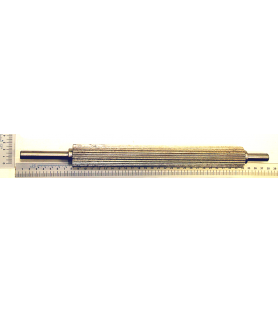
365 mm serrated feed roller
The 365 mm serrated feed roller ref. 3302636036 helps move timber through the thicknessing operation. Its teeth must grip the work sufficiently for regular feeding. Heavy wear, damaged teeth or a mechanical fault can affect feed. Before replacement, also inspect associated mechanisms, cleanliness and possible binding.
When should the feed system be inspected?
Poor or irregular feeding does not automatically mean that the roller is defective. Timber condition, depth of cut and other feed components can influence operation. Disconnect the ML392 and visually inspect the serrated roller for wear, damage, unusual play or heavy residue build-up.
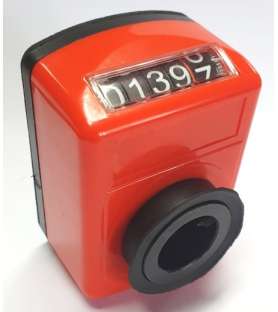
Mechanical thickness-height indicator
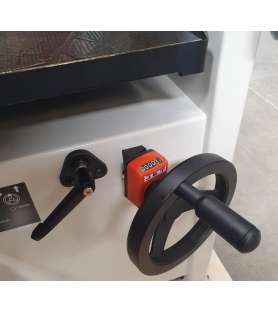
The mechanical thickness-height indicator helps monitor the thicknessing-table setting. The listed part is specified for various planer thicknessers and an 18 mm diameter handwheel according to its product page. If the reading becomes inconsistent, first check mounting, the height-adjustment mechanism and possible play.
Checking thickness setting
After work on the indicator, compare its reading with the actual machined thickness. The indicator is a setting aid; final accuracy should be checked on the timber. If there is a discrepancy, inspect indicator position and table adjustment. Never force a handwheel that has become abnormally stiff.
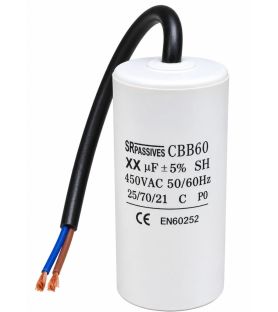
35 µF 450 V run capacitor
The category includes a 35 µF 450 V wired run capacitor. Capacitor rating must match the intended electrical circuit. Difficult starting, humming or abnormal running can have electrical causes, but these symptoms alone do not prove that the capacitor is faulty. Compare capacitance, voltage, connection type and original component.
Electrical safety precautions
Disconnect the machine before electrical work. A capacitor can retain electrical charge after power is removed, so testing and replacement require appropriate precautions and, where necessary, a competent technician. Do not choose a capacitor merely because its external dimensions look similar.
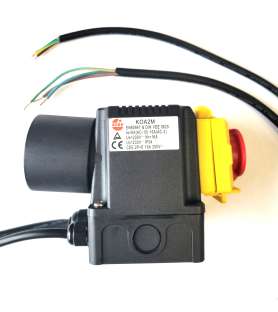
Complete single-phase switch for ML392 and ML393E
A complete single-phase switch is listed for Jean l’ébéniste ML392 and ML393E. If the machine does not start, the switch may be one component to inspect, but supply, safety devices, wiring, motor and other electrical parts can also be involved. Never bypass a safety device for diagnosis.
Diagnose before ordering
Start from the real symptom. Feed problems point toward the mechanical feed train; inaccurate thickness indication toward the table mechanism and indicator; starting faults toward the electrical circuit. Different faults can create similar symptoms. Keep the original part until the repair is complete for comparison.
Identify the correct ML392 part
Record the ML392 model and use the exploded diagram when available. For the roller, reference 3302636036 and 365 mm length are key identifiers. For the indicator, check the stated 18 mm handwheel diameter. For the capacitor, check 35 µF, 450 V and connections. For the switch, compare wiring and configuration.
Preventive maintenance
Regularly remove chips and dust from accessible areas, monitor the feed system and keep tables appropriately clean. New noises, irregular feeding, abnormal heat or a stiff adjustment deserve inspection before continued use. Preventive maintenance can reveal wear before it affects other components.
IMPORTANT: check compatibility before purchase
IMPORTANT: BEFORE PURCHASING, carefully check the compatible machine list on each product page.
For some parts, the model alone may not guarantee compatibility because components can change during production.
If in doubt, send the exact model, month/year of manufacture and serial number before ordering.
Looking for another ML392 part?
If the required component is not in this subcategory, send the exact model, a rating-plate photo, photographs of the original part and its exploded-diagram item number when known. This helps research the correct reference without assuming compatibility from appearance alone.