Downdraft Table Filters: Efficient Dust Filtration for Workshop Applications
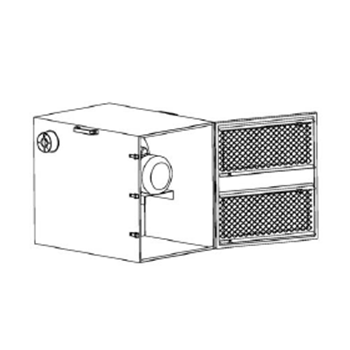
In any woodworking workshop, metalworking shop, or industrial sanding environment, dust control is essential to ensure a clean and safe workspace. Downdraft table filters play a key role in capturing fine dust, sanding residues, and particles generated by tools such as sanders, grinders, and other machining equipment. Used with a downdraft table, these filters allow dust to be extracted directly at the source, improving overall air quality.
During operations such as wood sanding, metal sanding, grinding, or finishing, large amounts of airborne dust are produced. These particles, often invisible, quickly spread throughout the workshop if not properly captured. Downdraft table filters help trap these particles and prevent them from contaminating the working environment.
What is the purpose of a downdraft table filter?
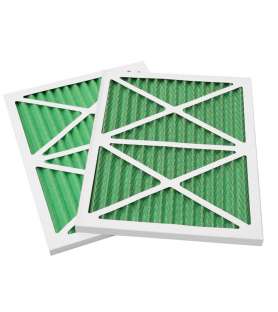
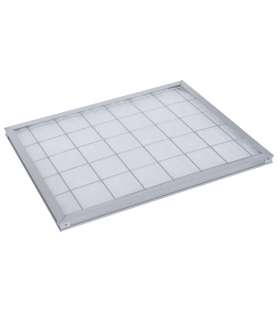
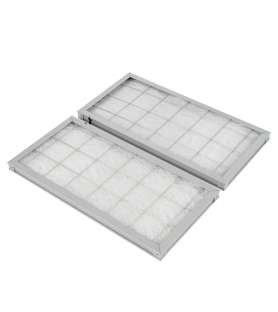
A downdraft table with filter is designed to capture dust directly at the work surface. The downdraft table filter retains the particles extracted by the system, preventing them from being released back into the air.
This solution is particularly effective for tasks performed with an orbital sander, belt sander, angle grinder, random orbital sander, or during polishing and deburring operations. Dust extraction table filters efficiently capture fine dust particles generated by these machines and significantly improve workshop cleanliness.
Why is it important to replace filters regularly?
A downdraft table filter gradually becomes clogged as it captures sanding dust, grinding particles, and residues from various materials. Over time, this buildup reduces airflow and decreases the efficiency of the dust extraction table.
A saturated filter allows more fine particles to pass through and can negatively affect system performance. This leads to reduced suction power and increased dust accumulation in the workshop. Regularly replacing your downdraft table filters ensures optimal performance and effective filtration.
Which filter should you choose for your downdraft table?
Choosing the right industrial downdraft table filter depends on the type of work performed and the materials being processed. Operations such as wood sanding, metal sanding, and work on composites or plastics generate different types of dust that require suitable filtration.
High-efficiency downdraft table filters are recommended to capture fine dust particles and improve air quality. The right filter enhances the performance of your equipment and ensures better dust collection.
A direct impact on working conditions and health
Downdraft table filters have a direct impact on comfort and safety in the workshop. By reducing airborne dust, they improve visibility and limit exposure to harmful particles.
Dust generated during sanding and grinding can easily be inhaled. Efficient filtration helps reduce these risks and improves working conditions in woodworking, metalworking, and industrial environments.
Conclusion: An essential component for efficient dust extraction
Downdraft table filters are essential for ensuring effective dust extraction and maintaining a clean working environment. They capture fine dust, improve air quality, and optimize the performance of your system.
Regularly replacing your dust extraction table filters is crucial to maintaining optimal filtration and extending the lifespan of your equipment. A properly filtered downdraft table ensures a cleaner, safer, and more efficient workshop.