Has your Woodstar or Woodster belt and disc sander been in use for several years and are some parts beginning to show signs of wear? A loose belt, damaged roller, faulty switch or worn sanding disc plate does not necessarily mean that the entire machine needs to be replaced. These bench sanders consist of many components that can be replaced individually to extend their service life.
This category brings together spare parts for Woodstar and Woodster belt and disc sanders, particularly the Woodster BD75 and BD90 models, as well as other machines of similar design. Depending on the part reference, many components are also shared with certain Scheppach, Kity, Parkside or Manupro sanders.
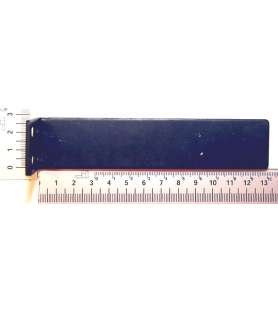
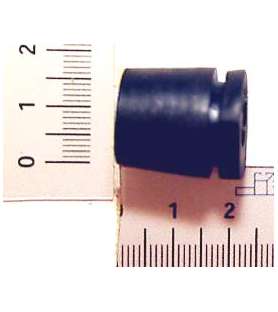
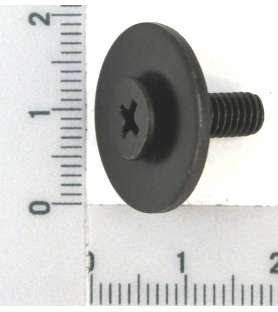
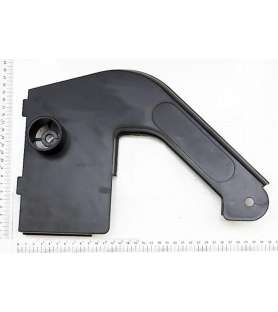
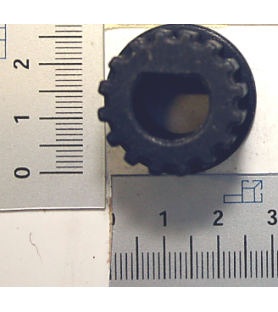
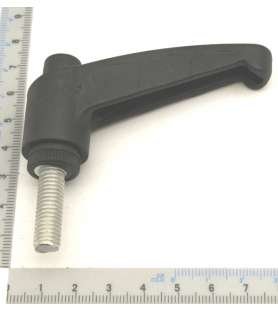
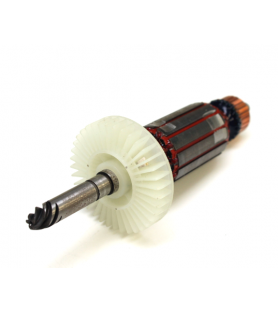
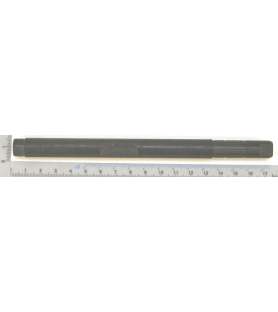
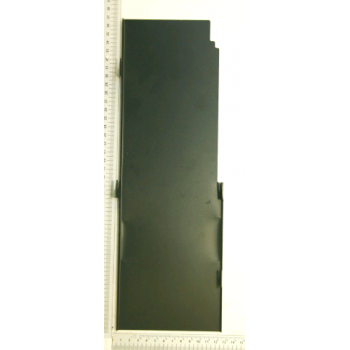
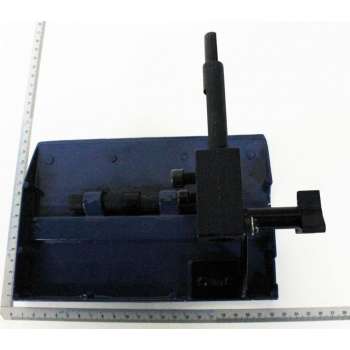
Depending on the model and availability, you can find motors, timing belts and Poly-V belts, pulleys, drive wheels and rollers, idler rollers, sanding disc plates, work tables, mitre guides, switches, starting relays, covers and sanding belt guards.
Repair your Woodstar sander instead of replacing it
A combination belt and disc sander is a relatively simple and robust machine. The motor drives the sanding components through pulleys, belts and rollers, while the tables and guides help support and position the workpiece correctly during sanding.
Over the years, certain wear parts may deteriorate without affecting the overall condition of the machine. A slipping belt, worn roller or damaged pulley can interfere with the movement of the sanding belt. A faulty switch or relay can prevent the motor from starting even though the mechanical components remain fully functional.
Replacing only the affected component often makes it possible to keep a Woodstar or Woodster sander in service for many more years.
Belts for Woodstar belt and disc sanders
The drive belt is an essential part of the transmission system. It transfers the rotation of the motor to the mechanism driving the sanding belt or disc, depending on the machine design.
Over time, a belt may stretch, wear, crack or lose teeth in the case of a timing belt. Symptoms may include irregular drive, loss of speed under load, unusual noise or the sanding mechanism stopping while the motor continues to run.
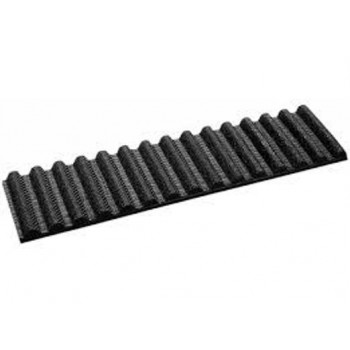
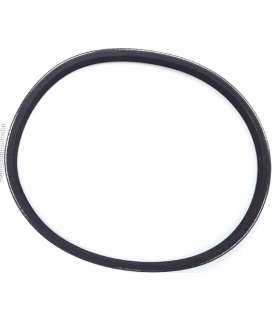
Available parts include 150XL timing belts and Poly-V belts used on various belt and disc sanders. It is essential to check the reference and dimensions before ordering, as machines that look very similar may use different belts.
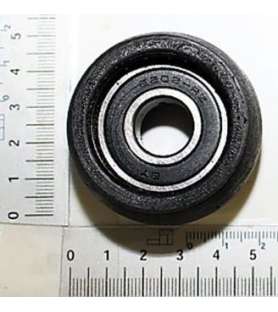
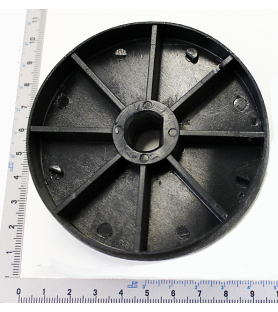
Rollers, idlers and drive wheels
The sanding belt runs around several rollers and idlers that provide drive and guidance. These components must rotate correctly and keep the belt in a stable position during sanding.
A damaged roller, worn surface, loose shaft or idler that no longer rotates freely can cause poor belt tracking. The sanding belt may then move sideways, vibrate or wear unevenly.
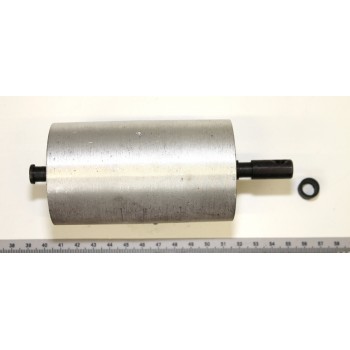
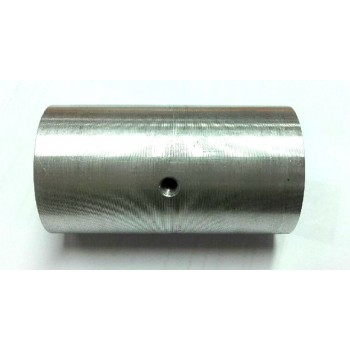
The category includes various drive rollers, idler rollers, drive wheels and roller shafts for several generations of sanders. Always refer to the machine model and, whenever possible, the part number shown on the exploded diagram.
Drive pulleys and motor pulleys
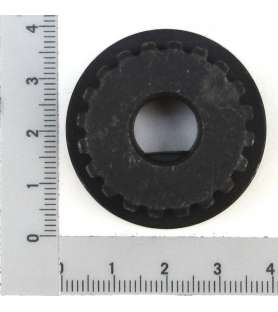
The pulleys are directly involved in transmitting movement between the motor and the sanding components. Some sanders use a toothed pulley together with a timing belt, while others use a different transmission system.
A pulley with damaged teeth, excessive play in the bore or an insecure mounting can cause vibration, jerking or poor sanding belt operation.
Motor pulleys and drive pulleys are available for several Scheppach, Woodster, Kity and Parkside sanders. Compatibility should always be checked carefully before purchase.
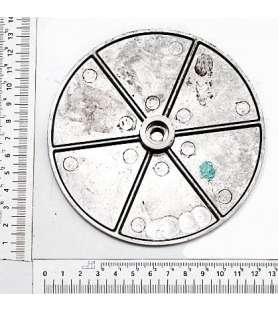
Sanding disc plate and abrasive support
On the disc sander section, the sanding disc plate supports the abrasive disc and must rotate smoothly. A warped or damaged plate, or one with excessive play, can cause vibration and reduce sanding accuracy.
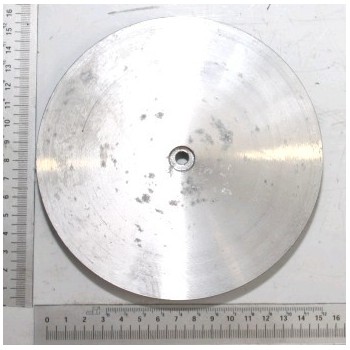
Several sanding disc plates are available for machines that share their design with certain Woodstar and Woodster models. The diameter, mounting system and part reference should be checked before replacement.
Keeping the plate in good condition is particularly important for achieving even sanding and maintaining the correct clearance between the abrasive disc and the work table.
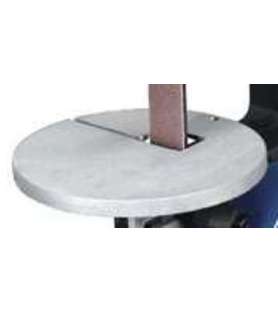
Work table and mitre guide
The sanding table supports the workpiece while it is brought against the belt or disc. It must be correctly secured and adjusted to ensure accurate and safe operation.
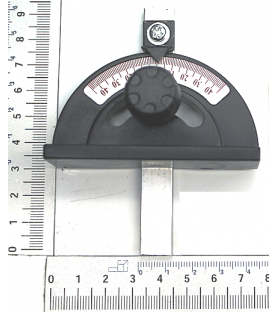
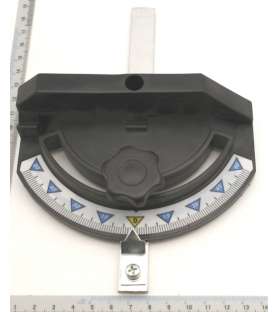
The mitre guide makes it easier to sand edges or ends at a defined angle. A missing or damaged guide can be replaced when a compatible part is still available.
Various work tables and mitre guides are available for Scheppach, Woodstar and Woodster belt and disc sanders, as well as other machines of similar design.
Motor, switch and starting relay
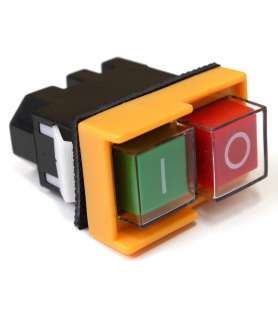
When a sander no longer starts, the motor is not necessarily the cause. The switch, wiring, safety devices or starting relay can also be responsible for the fault.
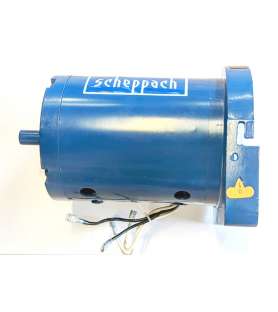
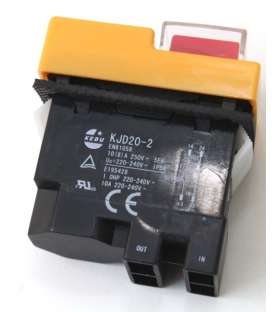
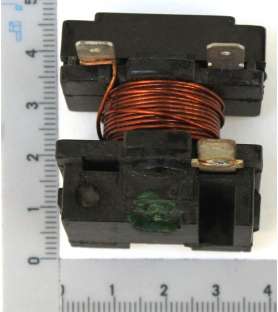
The category includes a motor for the Woodster BD75 sander, also used on certain Scheppach sanders, as well as switches and starting relays for several belt and disc sander models.
Before replacing an electrical component, it is important to correctly identify the source of the fault. Any electrical work must be carried out with the machine disconnected from the power supply and, if in doubt, entrusted to a qualified person.
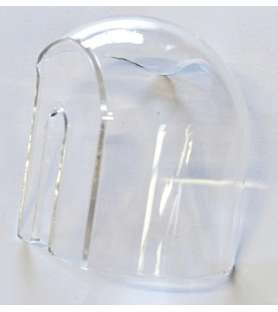
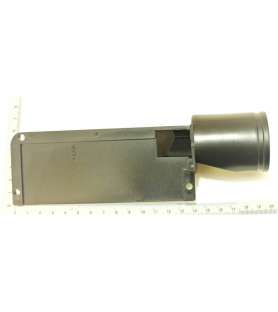
Covers and sanding belt guards
Covers and guards are not merely cosmetic components. They contribute to operator safety by restricting access to moving parts and protecting certain areas of the drive mechanism.
A broken, missing or insecure guard should be replaced before continuing to use the sander. Various covers, sanding belt guards and protective plates are available for different compatible machines.
A sander should not be used with a safety guard removed or damaged.
Woodstar, Woodster and Scheppach: some shared parts
The Woodstar and Woodster brands marketed several sanders whose design is closely related to certain Scheppach machines. Some parts available in this category are therefore listed for several brands and models.
This applies in particular to certain motors, guides, rollers, pulleys, belts and protective components. This technical similarity means that spare parts can still be found for certain Woodstar or Woodster sanders that have been discontinued for several years.
However, this does not mean that all parts are interchangeable. The same machine may also have undergone design changes during its production life.
Before ordering, carefully check the exact model of your Woodstar or Woodster sander, the reference of the required part, its position number on the exploded diagram where applicable, and the manufacturing date or serial number when this information is required.
Maintaining your belt and disc sander
Regular maintenance helps extend the service life of your sander. Sanding dust can accumulate around the rollers, covers, motor and transmission system. Regular cleaning helps limit these deposits and makes it easier to spot components that are beginning to wear.
It is also advisable to periodically check the condition and tension of the belts, roller rotation, sanding belt tracking, the tightness of tables and guides, and the condition of the safety guards.
Unusual noise, new vibration, a sanding belt that repeatedly runs off-centre or a loss of power should prompt you to identify the cause before continuing to use the machine.
Extend the life of your Woodstar sander
With the right spare parts for Woodstar and Woodster belt and disc sanders, many machines can still be serviced and repaired years after purchase. A belt, roller, pulley, switch, sanding disc plate or guard may be all that is needed to restore a sander to proper working condition.
The aim is to diagnose the fault correctly and identify the right part reference before replacing the affected component. This helps avoid unnecessarily replacing a machine that can still be repaired and allows you to continue using your Woodstar or Woodster sander for many years.