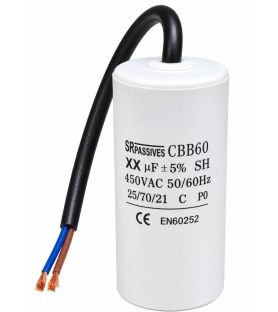
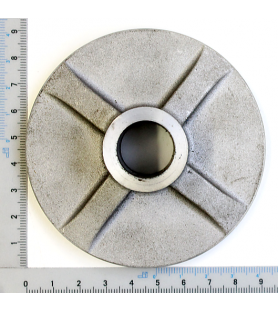
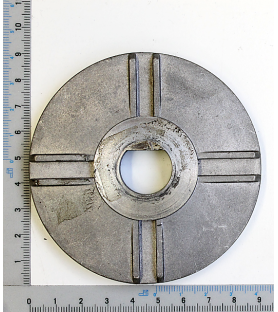
Has your Woodstar log saw been helping you prepare firewood for several years and is now starting to show signs of wear? A worn capacitor, broken spring, faulty switch, damaged blade flange or a component of the rocking cradle that needs replacing does not necessarily mean that the whole machine needs to be replaced. On these robust saws, many components can be replaced individually to extend the machine's service life.
This category is dedicated to spare parts for Woodstar and Woodster log saws, particularly the SW505, SW51, SW52, SW72 and SW40 depending on the version. Several of these machines also share components with certain Scheppach or Kity log saws, making it possible to continue repairing Woodstar models that are no longer manufactured.
A log saw is the kind of machine people often keep for many years. It comes back out when it is time to prepare firewood for winter, then returns to the workshop or garage until the following season. When a component eventually wears out, repairing a machine you already know is often far more worthwhile than replacing it completely.
Spare parts to repair your Woodstar log saw
A log saw is subjected to considerable stress: vibration, sawdust, repeated cutting forces, rocking cradle movements and motor loads. Over time, certain mechanical and electrical components can naturally wear out.
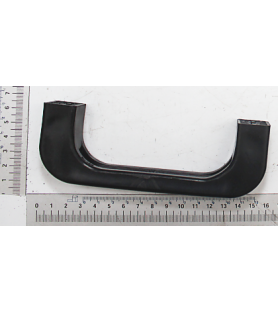
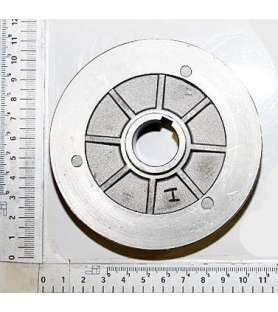
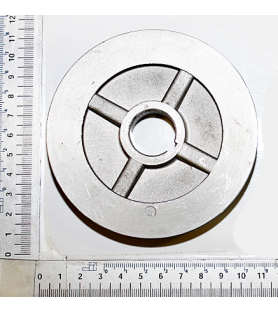
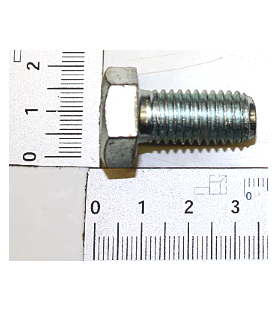
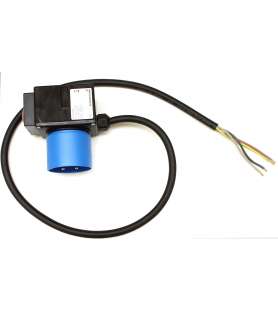
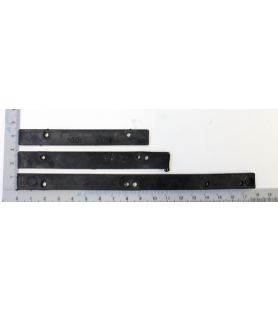
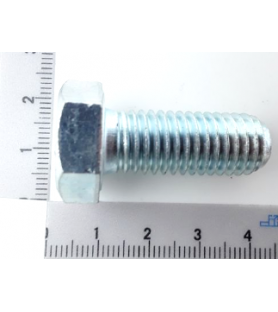
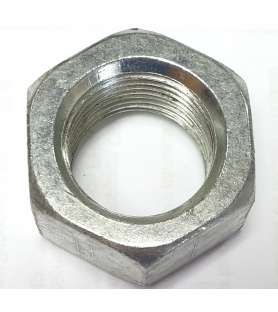
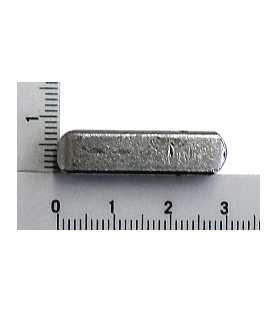
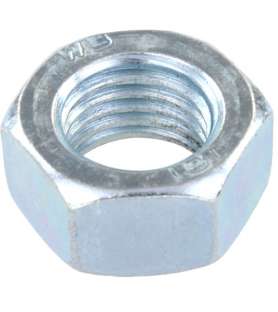
Depending on the model and the references still available, you can find motors, capacitors, switches, return springs, blade flanges, clamping nuts, keys, blade retaining screws, brackets, guards, handles, wheels, rocking cradle parts and other mechanical or electrical components for repairing Woodstar and Woodster log saws.
The range changes according to the parts still supplied by the manufacturer. Some references are shared by several generations or brands of machines, which can make it easier to repair an older Woodstar log saw.
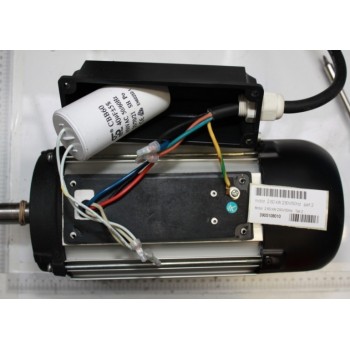
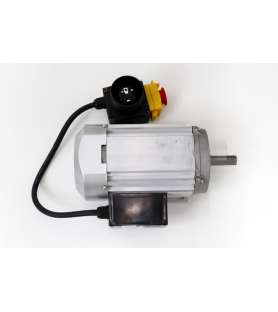
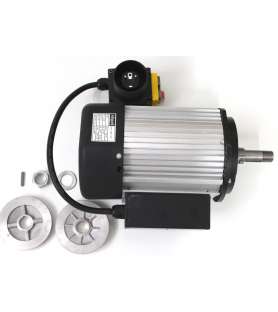
Motor, capacitor and switch: electrical components to check
If your Woodstar log saw no longer starts, this does not automatically mean that the motor has failed. Depending on the model, the problem may also come from the capacitor, switch, wiring or a safety device.
A motor that struggles to start, lacks torque or produces an unusual humming noise should be properly diagnosed before ordering a replacement part. On single-phase machines, the capacitor is one of the components worth checking when the motor can no longer start normally.
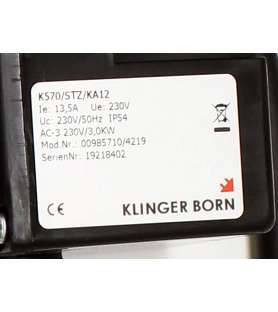
Electrical components can vary according to the machine's power, voltage and version. Before ordering a motor, capacitor or switch, always check the specifications of your saw and the reference of the original part.
Any electrical work must of course be carried out with the machine completely disconnected from the power supply and, if in doubt, entrusted to a competent person.
Blade flanges, nuts and screws: essential for securing the blade
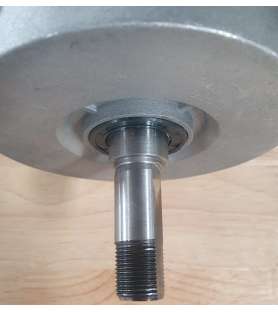
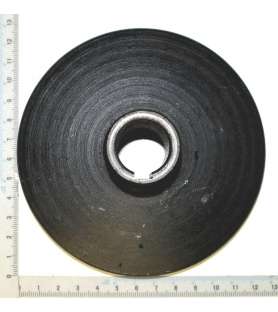
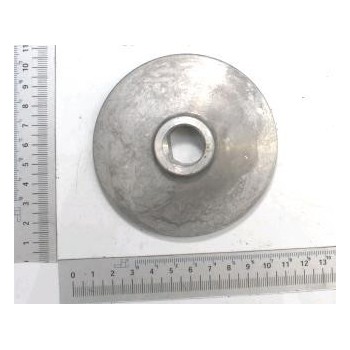
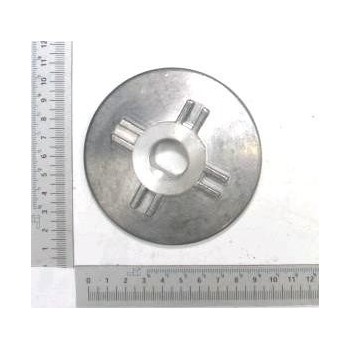
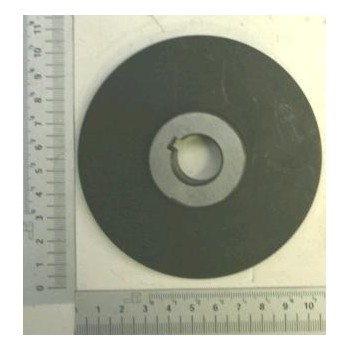
The blade is the central cutting component of a log saw. It must be installed correctly and the parts that secure it must remain in good condition. Blade flanges, clamping nuts, screws and keys therefore play an important role in the correct operation of the machine.
A damaged, distorted or unsuitable component should never be replaced with a part chosen simply because it looks similar. The shaft dimensions, flange diameter, thread and manufacturer's reference must be checked carefully.
When working in this area, it is also a good opportunity to check the general condition of the blade and its guards. A badly worn, damaged or incorrectly fitted blade can reduce cutting performance and compromise safe operation.
Springs and rocking cradle: restoring smooth movement
The rocking cradle is one of the characteristic features of a log saw. It allows the log to be presented to the blade while maintaining a controlled movement. Return springs and the associated mechanical components contribute directly to its correct operation.
Over the years, a log saw return spring can lose tension, become distorted or break. Pins, handles, brackets and other parts of the cradle can also wear. If its movement becomes abnormal, if the cradle no longer returns correctly or if you notice unusual play, it is important to identify the cause before continuing to use the machine.
Replacing the affected component may restore smooth operation without having to replace the complete saw.
Woodstar SW505, SW51 and SW52: machines related to Scheppach and Kity models
Some Woodstar or Woodster log saws belong to machine families that were also sold under other brand names. This is particularly true of the SW505, SW51 and SW52, which may share many parts with Scheppach HS510 log saws or certain Kity models fitted with a 500 mm blade.
This relationship can be particularly useful when a Woodstar machine has been discontinued for several years, as certain parts may remain available through shared references used on other models.
However, this does not mean that every part is automatically interchangeable. Production changes may have been introduced over time, and two machines with similar model names can still have important differences.
An older Woodstar log saw is often worth repairing
When a log saw has already spent several winters preparing firewood, you get to know it well. You know how it starts, how its cradle returns and how it behaves when cutting a large log. So when a capacitor, spring or small mechanical component eventually fails, it would be a shame to retire the whole machine if its frame and motor are still in good condition.
That is precisely the advantage of spare parts for Woodstar log saws: replacing what is actually worn and continuing to use a machine that has already proved itself. A targeted repair can sometimes be enough to provide several more seasons of useful service.
For owners of older Woodstar or Woodster machines, retaining the possibility of repair is particularly valuable because these saws are not always replaced by a strictly equivalent modern model. Finding the correct spare part allows you to keep equipment you are familiar with while avoiding the cost of a new machine.
Check compatibility carefully before ordering
For a log saw, spare part compatibility should never be determined from a photograph alone. Differences in diameter, thread, electrical rating or mounting can make two parts incompatible despite an almost identical appearance.
Before purchasing, check the exact model of your Woodstar or Woodster log saw, the manufacturer's part reference, its position number on the exploded diagram where available, and the production date or serial number whenever this information is required.
This check is particularly important for motors, capacitors, switches, blade flanges, nuts, rocking cradle parts and safety components.
Extend the life of your Woodstar log saw
With the correct spare parts for Woodstar and Woodster log saws, an older machine can continue working for many years. A worn component or minor fault should not automatically mean replacing the entire saw.
The key is to proceed methodically: observe the symptoms, identify the component actually responsible and check its compatibility before replacing it. Motor, capacitor, spring, blade flange, nut, switch or rocking cradle component: a well-targeted repair can often put your log saw back into service and keep it preparing your firewood season after season.