Has your Woodstar or Woodster bandsaw been part of your workshop for years and started to show a few signs of wear? A worn wheel tyre, tired bearing, damaged blade guide or motor problem does not necessarily mean that the whole machine needs replacing. A well-maintained bandsaw can remain useful for many years, and replacing a few parts is often enough to give it a new lease of life.
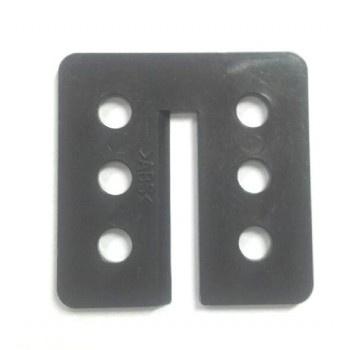
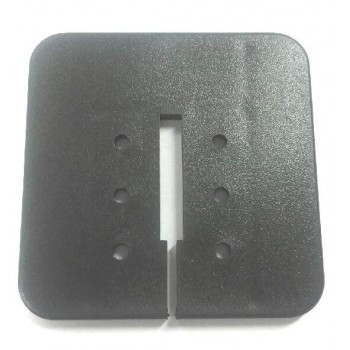
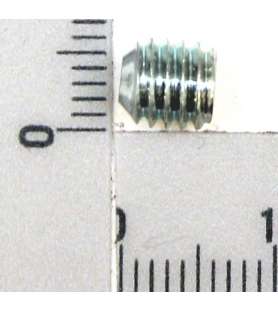
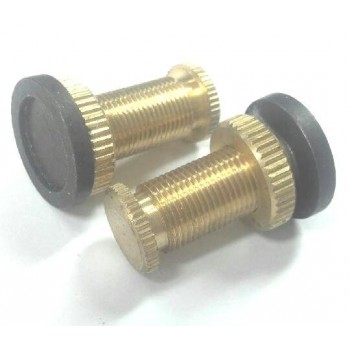
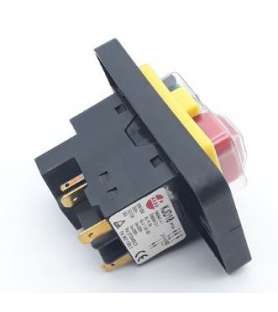
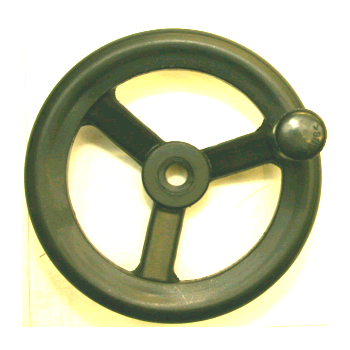
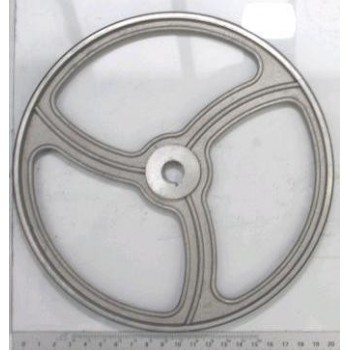
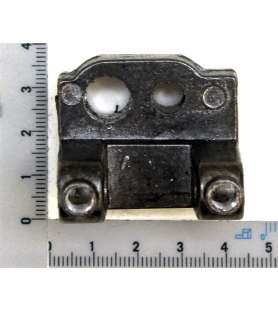
This category brings together spare parts for Woodstar and Woodster bandsaws, particularly for the SB08, SB12 and SB18 models, as well as other machines depending on the individual part reference. You can find wheel tyres, bearings and guide rollers, blade guide pins, wheels, rip fences, guide housings, motors, switches, handles and various mechanical components required to maintain or repair your saw.
Why repair a Woodstar bandsaw?
A bandsaw is the kind of machine that often stays in a workshop for many years. Once you know how to set it up, tension the blade and get the best from it, it would be a shame to replace the whole saw because of one worn component.
Over the years, some parts naturally work harder than others. Wheel tyres are constantly in contact with the blade, bearings and guides support its movement, while the wheels rotate every time the machine is used. Excessive play, a damaged component or a worn guide can gradually affect the performance of the saw.
Before deciding that your machine has reached the end of its life, a careful inspection can often identify the part that is actually causing the problem.
Parts for Woodstar and Woodster SB08, SB12 and SB18
The Woodstar and Woodster SB08, SB12 and SB18 bandsaws are among the models for which various spare parts may be available in this category. Some references are also compatible with Scheppach, Kity or Parkside machines.
However, visual similarity does not guarantee compatibility. The same family of machines may have undergone several changes during production, with different dimensions, mounting systems or part references.
Before ordering, always check the exact model of your bandsaw, its product reference, serial number and manufacturing date whenever this information is available.
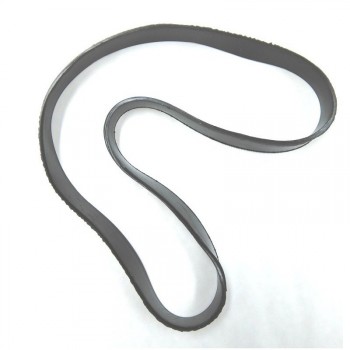
Bandsaw wheel tyres: essential for correct blade tracking
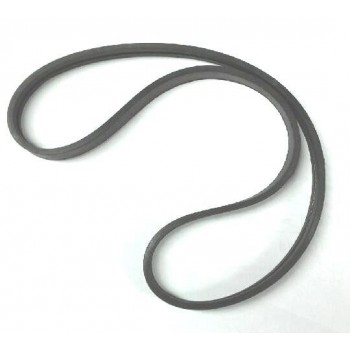
The bandsaw wheel tyre provides the contact surface between the blade and the wheel. Over time, the material can harden, crack, wear or become damaged.
A worn wheel tyre can affect blade tracking and should therefore be checked as part of regular machine maintenance. Several tyre sizes may exist, so it is essential to check the wheel diameter as well as the required width and thickness before choosing a replacement.
When replacing a tyre, it is also a good opportunity to inspect the general condition of the wheel and check that the blade tracks correctly once the machine has been adjusted.
Bearings, rollers and blade guides
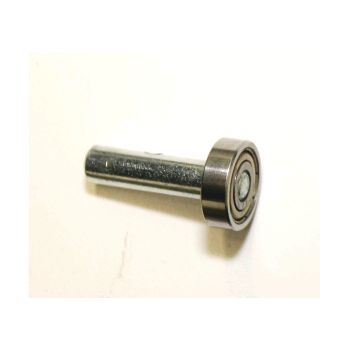
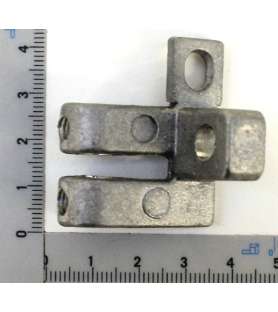
Blade guidance is one of the key elements of a bandsaw. Side bearings, thrust bearings, guide rollers and blade guide pins help support the blade during cutting while allowing it to run correctly.
With use, a bearing can develop play, become noisy or stop turning freely. A damaged or incorrectly adjusted guide can also affect blade stability.
If your saw becomes less accurate or you notice an unusual noise around the guide system, check these components. Correct adjustment is just as important as the condition of the parts: the guides should support the blade without unnecessarily restricting its movement.
Upper and lower bandsaw wheels
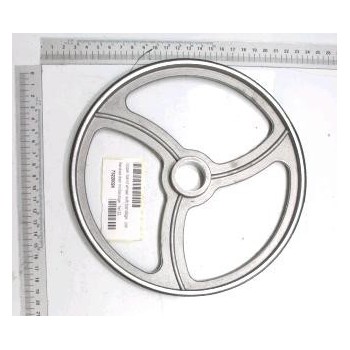
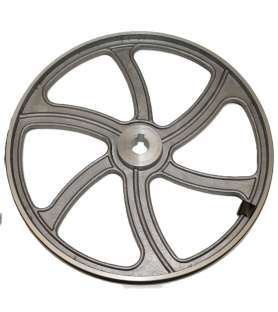
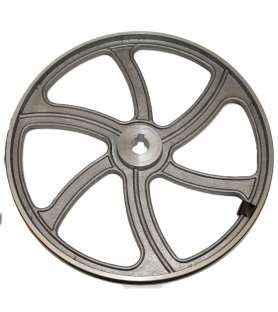
The bandsaw wheels are at the heart of the machine. They keep the blade moving continuously and must remain in good condition for smooth, regular operation.
Depending on the model, an upper or lower wheel may be replaceable, sometimes supplied complete with its tyre. Before ordering, carefully check the diameter, bore and reference of the original wheel.
A damaged, distorted or seriously defective wheel should not simply be compensated for through machine adjustments. The cause of the problem should be identified and the component replaced when necessary.
Rip fence and adjustment parts
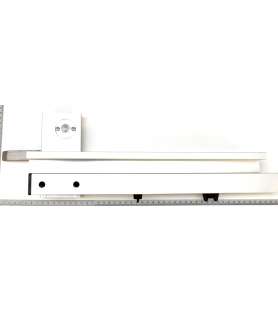
The rip fence helps guide the workpiece during straight cuts and ripping operations. Keeping it in good condition contributes directly to working comfort and consistent cutting.
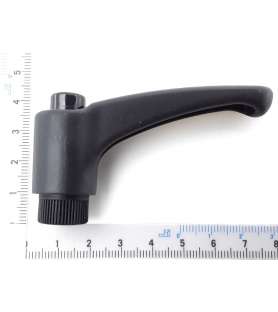
Handles, locking systems and other adjustment parts are also used regularly. A broken handle or a locking mechanism that no longer tightens correctly can make the machine much less pleasant to use even though the rest of the saw is still working perfectly.
These small components can make all the difference between a machine that is frustrating to adjust and a bandsaw that is enjoyable to use every day.
Bandsaw motor and switch
A bandsaw that no longer starts does not necessarily have a failed motor. Depending on the model, the fault may also come from the switch, a safety device, wiring or another electrical component.
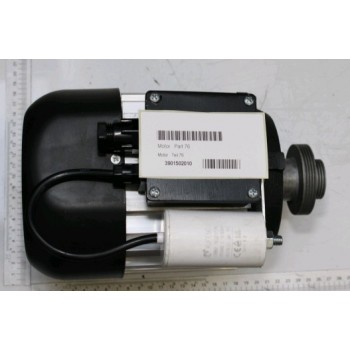
Complete motors are available for certain machines depending on their version and manufacturing period. Compatibility should be checked particularly carefully when ordering this type of component.
Before replacing a motor, it is advisable to carry out a proper diagnosis to avoid unnecessarily replacing an expensive part. Any work on the electrical system must be carried out with the machine disconnected from the power supply and, if in doubt, entrusted to a qualified person.
A drifting blade does not necessarily mean a part is faulty
When a bandsaw blade wanders during a cut, it can be tempting to immediately look for a spare part to replace. However, the problem may also come from the machine setup or from the blade itself.
Check the blade tension, blade position on the wheels, blade guide adjustment, condition of the wheel tyres, blade sharpness and tooth set. A worn blade or one that is unsuitable for the type of work being carried out can also cause inaccurate or wandering cuts.
A methodical check of these different points can often prevent the unnecessary replacement of components that are still in good condition.
Identify the correct spare part before ordering
Woodstar and Woodster bandsaws have been produced under different references, and some parts may also fit Scheppach, Kity or Parkside models. This cross-brand compatibility can be useful, but it also means that care is needed when selecting a replacement part.
Do not order a component simply because its photograph looks similar to the original. Check the list of compatible machines shown on the product page and compare references and dimensions whenever they are provided.
For some machines, the month and year of manufacture or the serial number may be decisive. This information can generally be found on the bandsaw's identification plate.
Maintain your bandsaw to keep it running longer
A few regular checks can help keep your bandsaw working properly: remove accumulated sawdust, inspect the guides, monitor the condition of the wheel tyres and bearings, and check the blade regularly.
It is also important to use a blade suited to the material and the type of cut required. A correctly adjusted and maintained machine works under better conditions and places less unnecessary strain on its various components.
A Woodstar bandsaw that has already seen plenty of use is therefore not necessarily ready to be replaced. When a worn component can be changed, repairing the machine is often a simple and sensible way to continue using a saw you already know well.
Extend the life of your Woodstar bandsaw
Finding the correct spare part can often prevent the complete replacement of a machine that still has many years of useful service ahead. This is particularly true of a bandsaw whose settings you already know and which has become a familiar part of your workshop.
Our selection of spare parts for Woodstar and Woodster bandsaws allows you to replace components that are genuinely worn or damaged and restore your machine using parts suited to its particular version.
Take a few minutes to check compatibility carefully before ordering. A little extra checking can prevent an incorrect part reference and help you get your bandsaw properly repaired and back to work quickly.