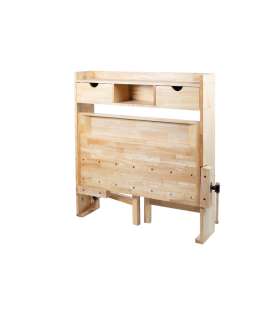
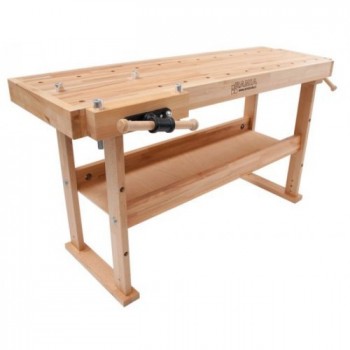
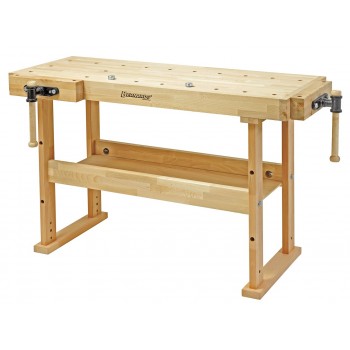
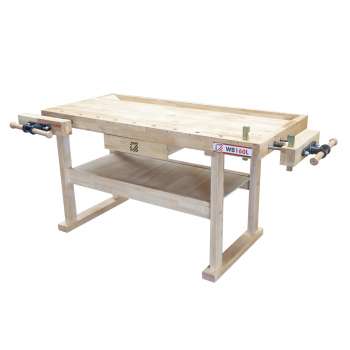
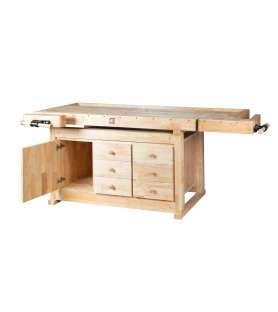
Woodworking Workbench: An Essential Piece of Equipment for Carpenters and Cabinetmakers
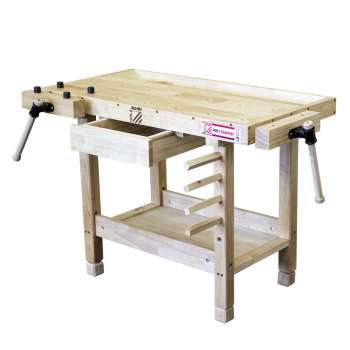
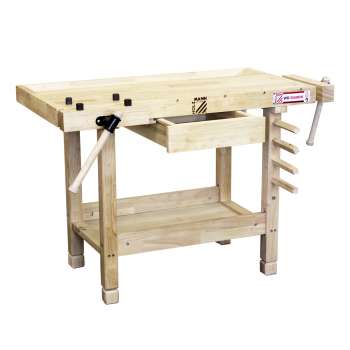
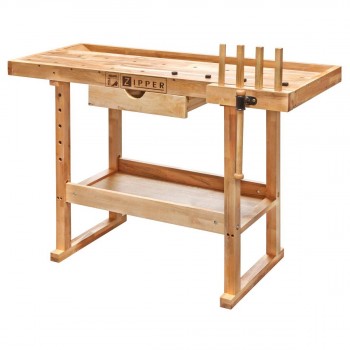
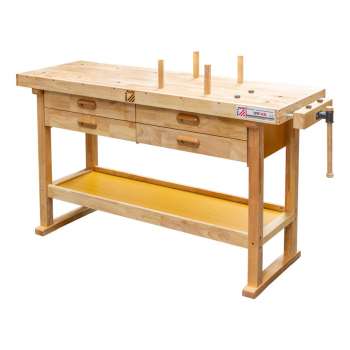
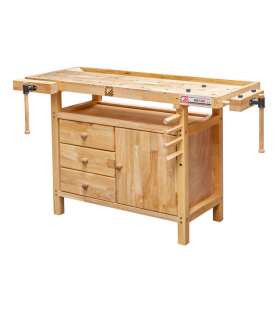
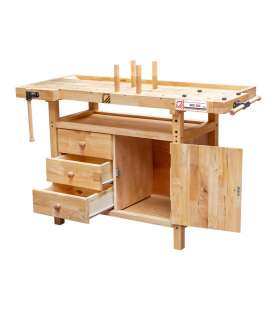
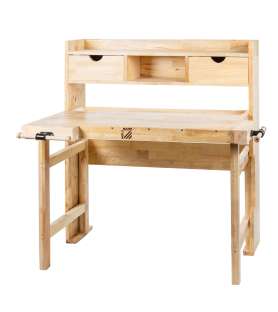
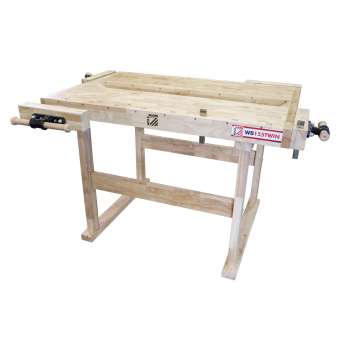
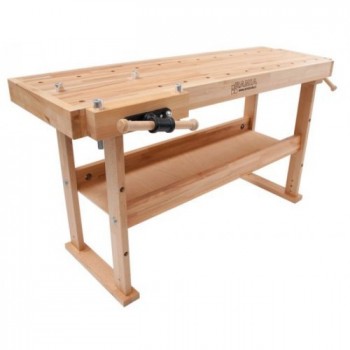
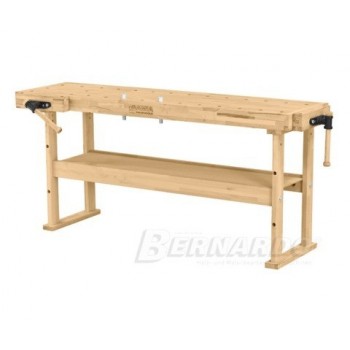
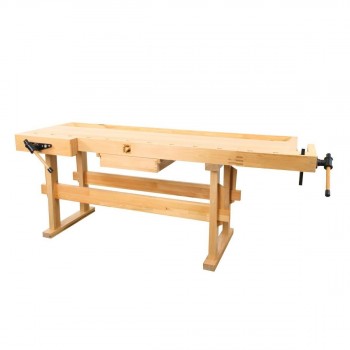
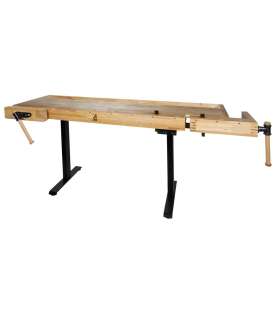
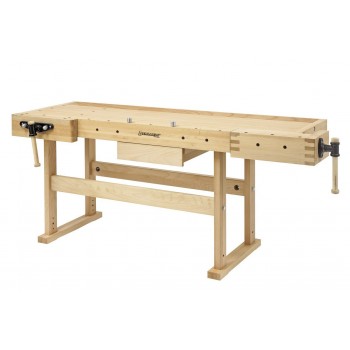
A woodworking workbench is an essential piece of equipment in any workshop dedicated to working with wood. As a central workstation, it provides a suitable surface for preparing, marking, planing, clamping and assembling wooden components.
Whether you are a professional carpenter, cabinetmaker, craftsman or woodworking enthusiast, having a wooden workbench suited to your activities helps improve accuracy, working comfort and workshop organisation.
At Probois Machinoutils, we offer a selection of carpenter's and cabinetmaker's workbenches designed to support the different stages of woodworking.
Built to provide a stable working surface, these benches are suitable for professional workshops as well as home woodworking spaces dedicated to furniture making, restoration and other woodworking projects.
Why Choose a Wooden Workbench for Your Workshop?
A wooden woodworking bench provides a working surface particularly well suited to manual woodworking operations.
Unlike an ordinary table, a carpenter's workbench is designed to meet the requirements of shaping, holding and assembling wooden components.
Its construction helps provide the stability needed for hand planing, sanding, marking and fitting operations.
The wooden worktop also provides a suitable surface for handling components used in furniture making and joinery.
Depending on the model, a workbench may include different clamping and holding devices designed to secure workpieces during machining or manual operations.
Choosing a traditional woodworking workbench therefore allows you to create a dedicated workstation that complements the woodworking machines already installed in your workshop.
Cabinetmaker's Workbench: Precision and Secure Workpiece Holding
A cabinetmaker's workbench plays an important role in woodworking operations requiring precision, care and consistency.
It is particularly useful for furniture making, traditional joinery, fitting components and carrying out manual finishing work.
When producing tenons, mortises, dovetails and other joints, it is essential to hold the workpieces securely.
A suitable workbench makes these operations easier by limiting unwanted movement during cutting, chiselling or fitting.
Cabinetmakers also use their workbenches for marking out, checking dimensions and preparing components before assembly.
For furniture restoration, a stable working surface makes it easier to handle wooden components and use hand tools accurately.
A wooden cabinetmaker's bench is therefore an important investment when setting up a workshop dedicated to detailed woodworking.
Woodworking Workbench with Vices and Clamping Systems
Secure workpiece holding is one of the main functions of a woodworking bench.
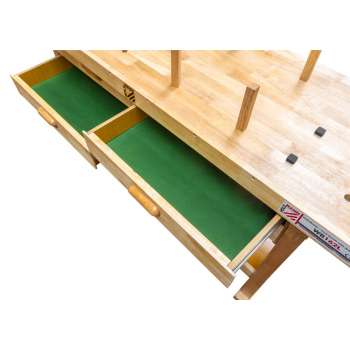
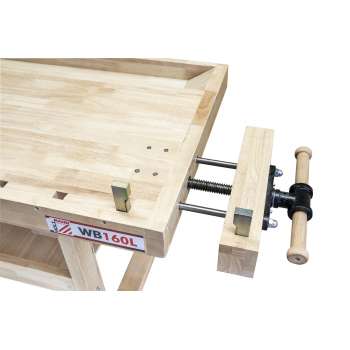
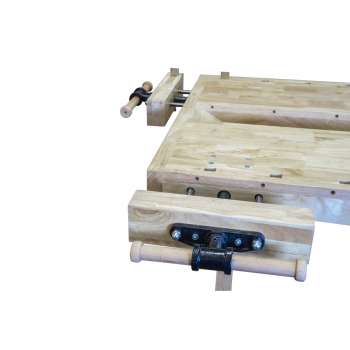
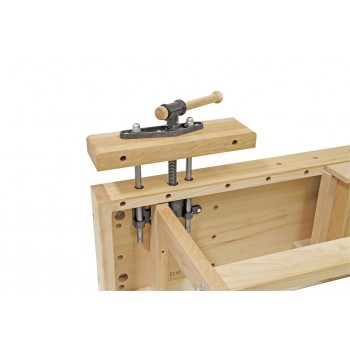
Depending on their design, some workbenches feature built-in vices that allow wooden components to be firmly held during shaping operations.
A woodworking vice can make it easier to secure a board when planing an edge, hand sawing or working with wood chisels.
Certain models also include dog holes, bench dogs or other work-holding devices that help secure pieces directly to the worktop.
These accessories provide different positioning options depending on the shape and dimensions of the workpiece and the operation being performed.
It is important to check the equipment supplied with each model, as not all workbenches include the same clamping accessories.
An appropriate work-holding system improves working comfort and reduces the need to repeatedly reposition materials.
For operations requiring additional support or holding force, the workbench can also be used with compatible woodworking clamps and other accessories.
A Stable Workbench for Hand Planing and Traditional Woodworking
Hand planing is one of the operations for which a stable workbench is particularly important.
When a hand plane is pushed across a wooden surface, the force applied can cause unwanted movement if the workbench is not sufficiently rigid or the workpiece is not securely held.
A sturdy carpenter's workbench provides a suitable foundation for this type of work.
It also facilitates manual flattening, chamfering, marking and fitting operations.
Tools such as hand planes, wood chisels, handsaws, marking gauges and squares can be used at an organised and dedicated workstation.
For enthusiasts of traditional woodworking, the workbench is often the central piece of equipment around which many manual operations are organised.
Even in workshops equipped with stationary woodworking machinery, it remains essential for finishing work, fitting and adjustments requiring hand tools.
How to Choose the Right Woodworking Workbench
Choosing a wooden workbench for your workshop depends on several important factors.
The first consideration is the size of the worktop. A sufficiently long and wide bench makes handling workpieces easier and provides a suitable surface for everyday woodworking tasks.
However, the available workshop space must also be considered, with enough room left for movement and handling long materials.
Workbench height is another important factor affecting comfort. Ideally, it should suit the user's height and the types of operations being performed.
The stability of the structure is equally important, especially for hand planing and clamping operations that involve applying considerable force.
You should also consider the construction of the worktop, the possible presence of built-in vices, the available work-holding options and the overall design of the bench.
Its load capacity and dimensions should be appropriate for the materials and projects you normally work on.
Some users will prefer a large traditional carpenter's workbench, while others may require a more compact model for a smaller workshop.
Woodworking Workbenches for Professionals and DIY Enthusiasts
Requirements for a woodworking workbench vary depending on how frequently it is used and the nature of the work.
In a professional workshop, the bench may be used every day to prepare components, produce joints and carry out finishing operations.
Stability, working surface dimensions and the quality of the work-holding equipment are therefore particularly important.
For professional carpenters and cabinetmakers, the workbench complements table saws, planer thicknessers, spindle moulders and other woodworking machinery.
In a home workshop, a woodworking bench for DIY projects provides a dedicated area for making small furniture, restoring wooden objects and carrying out interior woodworking projects.
It can also be used to learn traditional woodworking techniques and gradually develop practical skills.
Whatever your level of experience, a suitable workbench makes it easier to organise operations and improves everyday working conditions.
Installing and Maintaining Your Wooden Workbench
To get the most from your wooden workbench, it is important to install it carefully.
The bench should be positioned on a stable, reasonably level floor to minimise movement during use.
Its location should provide enough space to work comfortably around the worktop, particularly when handling long workpieces.
Suitable lighting makes marking, assembly and inspection operations easier.
It is also useful to keep frequently used tools nearby without unnecessarily cluttering the working surface.
Workbench maintenance depends on the type of wood, its finish and the manufacturer's recommendations.
Regular cleaning helps remove wood shavings, dust and glue residue before they accumulate.
It is also advisable to periodically check the tightness of structural fixings and the correct operation of any built-in vices.
To protect the worktop, suitable protective materials should be used when carrying out operations that could damage its surface.
Proper maintenance helps keep the workbench comfortable and functional over many years.
Complete Your Workbench with Woodworking Tools and Accessories
A carpenter's or cabinetmaker's workbench becomes even more useful when combined with suitable woodworking tools and accessories.
Woodworking clamps, vices and other work-holding devices help secure components during gluing, assembly and fitting operations.
Measuring and marking tools, including squares, rulers and marking gauges, make preparing joints easier.
Hand planes, wood chisels and handsaws can be used directly at the workbench for a wide variety of woodworking tasks.
In a more extensively equipped workshop, tool trolleys and additional storage solutions can also help keep equipment within easy reach.
The aim is to create a practical and organised working environment in which every piece of equipment supports the different stages of woodworking.
Find Your Carpenter's and Cabinetmaker's Workbench at Probois Machinoutils
At Probois Machinoutils, we offer equipment designed for woodworking enthusiasts, craftspeople and professionals.
Our selection of wooden workbenches for carpenters and cabinetmakers allows you to find a workstation suited to your workshop, working methods and the projects you wish to complete.
Whether you specialise in traditional joinery, furniture making, cabinetmaking or restoration, choosing the right workbench provides an essential foundation for working in suitable conditions.
Explore our available models and compare their specifications, including dimensions, clamping equipment and possible applications.
With a suitable woodworking workbench, you can create a functional workspace dedicated to shaping, assembling and finishing wooden components.